 English
 русский
 Español
 عربى
عربىLPG/natural gas/fuel gas filter with differential pressure gauge
The LPG/natural gas/fuel gas filter with differential pressure gauge is a device that filters gas and monitors its pressure changes. The filter can ef...
See Details


Request a Quote
Content
The safe and efficient operation of any gas-powered system, whether in a home kitchen, a factory floor, or a commercial heating plant, relies on a network of precision-engineered components known collectively as gas parts. These are not mere accessories but the fundamental building blocks that control the flow, pressure, ignition, and combustion of natural gas or propane. From the robust regulator on your outdoor grill to the sophisticated gas valve inside a high-efficiency furnace, each part performs a specific, vital function. A failure in even a seemingly minor component, like a worn hose fitting or a faulty igniter, can lead to inefficiency, appliance malfunction, or in the worst cases, a serious safety hazard. Understanding these components—their purpose, how they work, and how to maintain them—is essential for homeowners, facility managers, and technicians alike. It empowers informed decision-making, from troubleshooting a simple issue to sourcing a replacement part, ensuring that gas systems continue to provide reliable heat, power, and functionality while upholding the highest standards of safety. This guide delves into the world of gas parts, exploring key components, common issues, and best practices for selection and maintenance.
Navigating the world of gas parts begins with identifying the key players in a typical system. Each category of parts serves a distinct purpose in the journey of gas from the supply line to a controlled flame.
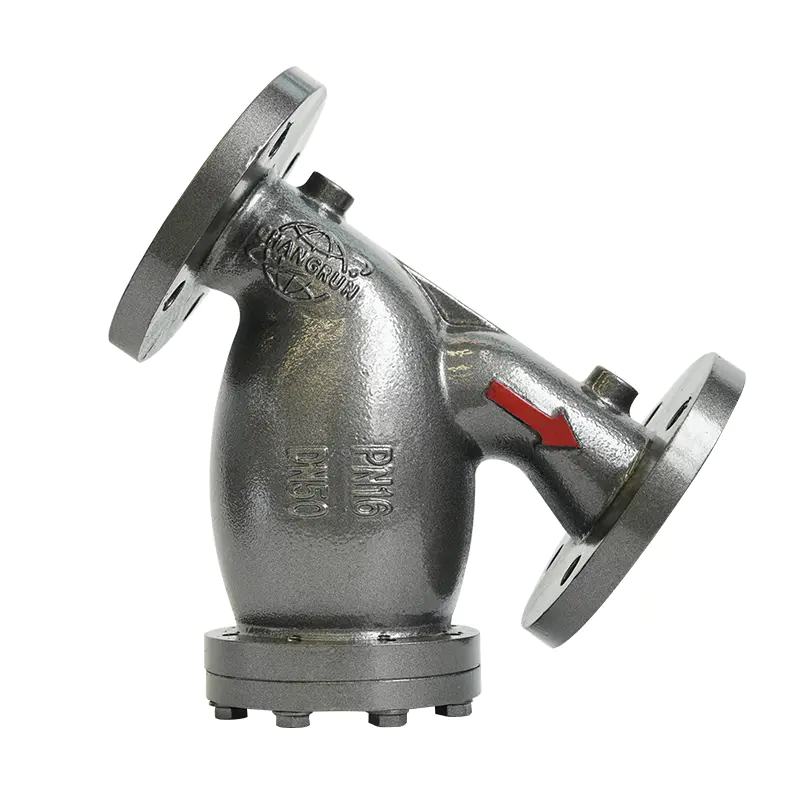
At the heart of gas control are valves and regulators. A gas valve acts as an on/off switch or a metering device, precisely controlling the volume of gas flowing to an appliance. In modern high-efficiency furnace gas valve replacement scenarios, these are often sophisticated modulating valves that adjust flow in tiny increments for optimal temperature control and efficiency. The gas regulator, on the other hand, is a pressure-management device. It reduces the high pressure from the supply tank or line down to a safe, consistent, low pressure suitable for the appliance to operate correctly. A failing regulator can cause symptoms like low flame, sooting, or appliance shut-off, making its understanding central to natural gas grill regulator troubleshooting and other repair tasks.
For an appliance to create heat, gas must mix with air and be ignited. This is the domain of burners and ignition systems. Burners are designed with specific port sizes and patterns to create an ideal air-fuel mix for a clean, stable flame. Problems like clogged ports or cracks can lead to uneven heating or yellow, sooty flames. The ignition system, which can be a standing pilot, a hot surface igniter, or a spark igniter, provides the initial spark to light the gas. When troubleshooting a stove that won't light, identifying and replacing faulty OEM gas stove burner ignition parts is often the solution. Using original equipment manufacturer (OEM) parts here is particularly crucial as they are engineered to exact specifications for fit, flame pattern, and electrical compatibility.
The physical link between the gas supply and the appliance is made through hoses, fittings, and connectors. Universal gas hose fittings and connectors are available for many applications, but "universal" does not mean "unspecified." Gas hoses must be rated for the specific gas type (natural gas or LP), pressure, and temperature of the application. Fittings must match the thread type and size (e.g., NPT, Flare) of both the appliance and the supply line. Using incorrect or substandard connection parts is a leading cause of gas leaks. Always ensure hoses are certified, in good condition without cracks, and that fittings seal perfectly without cross-threading.
Many common gas appliance issues can be diagnosed with careful observation and basic knowledge. A systematic approach starts with the simplest solutions before assuming a major component failure.
For stoves and ovens, problems often revolve around ignition or flame quality. If one burner won't light but others do, the issue is likely isolated to that burner's cap, igniter, or wiring. If no burners ignite, check the power supply (for electric ignition models) or the gas supply valve. Yellow or lifting flames indicate a possible air intake clog or incorrect gas pressure, potentially pointing to a regulator issue. Consulting your appliance's gas appliance replacement parts catalog using the model number can help you visually identify and order the correct component for these repairs.
A frequent issue with gas grills is a weak flame or failure to heat properly. Often, this is a classic sign of a regulator malfunction, a process known as "safety shut-off" or "bypass." This can be triggered by a sudden gas flow, like opening the tank valve too quickly. A dedicated natural gas grill regulator troubleshooting procedure involves: 1) Turning off the tank valve and all burner controls. 2) Disconnecting the regulator from the tank. 3) Waiting 30 seconds. 4) Reconnecting slowly and turning the tank valve on slowly. 5) Waiting a minute before lighting the grill. If this reset doesn't work, or if the regulator is visibly damaged or very old, replacement is necessary.
Safety must always be the priority. While replacing a grill hose or a stove burner cap may be within a DIYer's scope, certain tasks absolutely require a licensed gas technician. These include:
Selecting the correct replacement part is critical for safety, performance, and longevity. The choice often involves a balance between compatibility, cost, and assurance.
The debate between OEM gas stove burner ignition parts and universal alternatives is common. OEM parts are made by or for the original appliance manufacturer. They guarantee perfect fit and performance but can be more expensive. Universal or compatible parts are made by third parties to fit a range of models. They can offer cost savings but require careful verification of compatibility. For critical safety components (valves, regulators) or complex electronic igniters, OEM is often the recommended route. For simple components like hose connectors or generic burner grates, a high-quality universal part may be perfectly adequate.
| Aspect | OEM Parts | Universal/Compatible Parts |
| Fit & Compatibility | Guaranteed | Must be carefully verified |
| Performance | Matches original design specs | Can vary; select from reputable suppliers |
| Price | Typically Higher | Typically Lower |
| Warranty | May be covered by appliance warranty | Warranty from parts supplier only |
| Best For | Critical components, complex electronics, newer appliances | Non-critical, simple mechanical parts, older/discontinued models |
Your most valuable tool for identifying the right part is the official gas appliance replacement parts catalog or exploded diagram for your specific appliance model. This catalog, often found on manufacturer websites or through authorized dealers, uses your model and serial number to show every part in your appliance with its unique part number. This eliminates guesswork and ensures you order the exact igniter, gasket, or valve needed for a successful repair. Always have your appliance's model number ready when searching for parts.
Never compromise on safety certifications. Any gas parts you purchase, especially hoses, regulators, valves, and fittings, must bear the mark of an approved testing laboratory for your region, such as UL (US), CSA (Canada), or CE (Europe). These marks indicate the part has been independently tested and meets minimum safety standards for materials, pressure handling, and leak prevention. Using uncertified parts voids appliance warranties and creates a significant safety risk.
A failing gas valve in a high-efficiency furnace can manifest in several ways. The most common sign is that the furnace fails to ignite even though you can hear the draft inducer motor running and the ignition system trying to spark. You might also hear a clicking (from the valve solenoid) but no gas flow. Intermittent operation—heating sometimes but not others—can also point to a valve issue. However, these symptoms can also indicate problems with other components like the pressure switch, igniter, or control board. Due to the complexity and safety critical nature of a high-efficiency furnace gas valve replacement, this diagnosis and repair should always be performed by a qualified HVAC technician who can properly test the valve and system.
The most reliable source for a gas appliance replacement parts catalog is the official website of the appliance manufacturer. Enter your model number (found on the appliance's rating plate) into their "Parts" or "Support" section. Major appliance repair parts websites also host extensive catalogs and diagrams. Authorized local dealers for your brand can also access and order parts directly from these catalogs. Using the official catalog ensures you get the correct part number, which you can then use to shop confidently.
While a faulty regulator is a prime suspect in natural gas grill regulator troubleshooting, it's not the only one. Before condemning the regulator, check for other obstructions: 1) Ensure the propane tank valve is fully open. 2) Check that the burner tubes are not clogged with insects, grease, or debris. 3) Verify the orifice at the inlet of each burner is clear. 4) For natural gas grills, check that the shut-off valve at the house is fully open. If these are clear and the low flame persists, especially if it happens on all burners simultaneously, then performing a regulator reset (as described earlier) or replacement is the likely solution.
Yes, universal gas hose fittings and connectors can be perfectly safe, provided they are properly selected and certified. The key is to ensure the hose is explicitly rated and certified for the type of gas you are using (e.g., "For LP Gas" or "For Natural Gas") and the working pressure. The fittings must match the thread type (e.g., 1" LP Tank Thread, 3/8" NPT) of your appliance and supply. Always look for the safety certification mark (UL, CSA, etc.) on both the hose and the fittings. Avoid any parts that seem poorly made, lack labeling, or do not form a tight, secure connection.
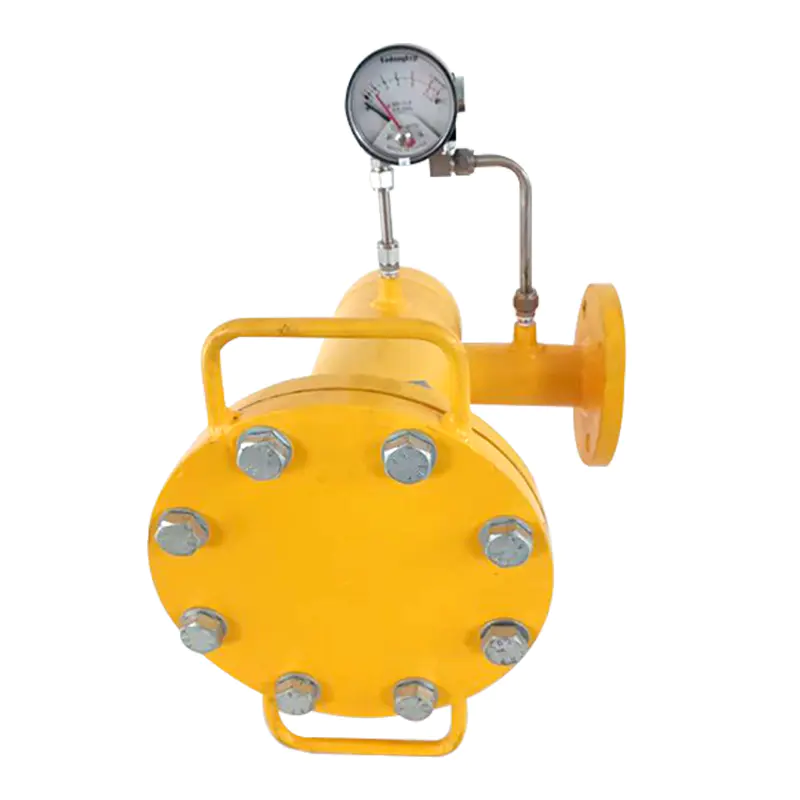
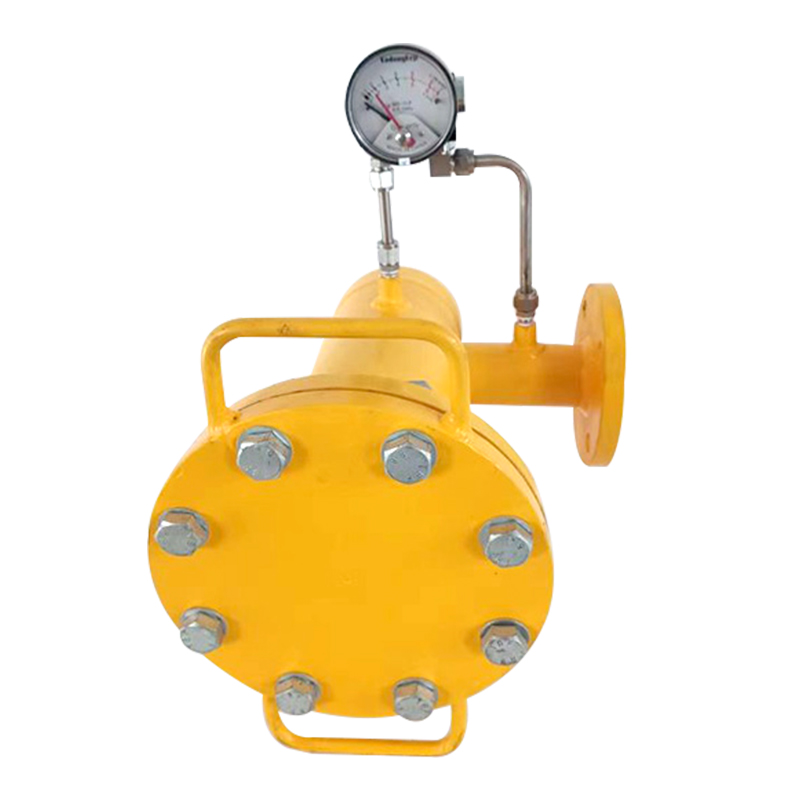
The LPG/natural gas/fuel gas filter with differential pressure gauge is a device that filters gas and monitors its pressure changes. The filter can ef...
See Details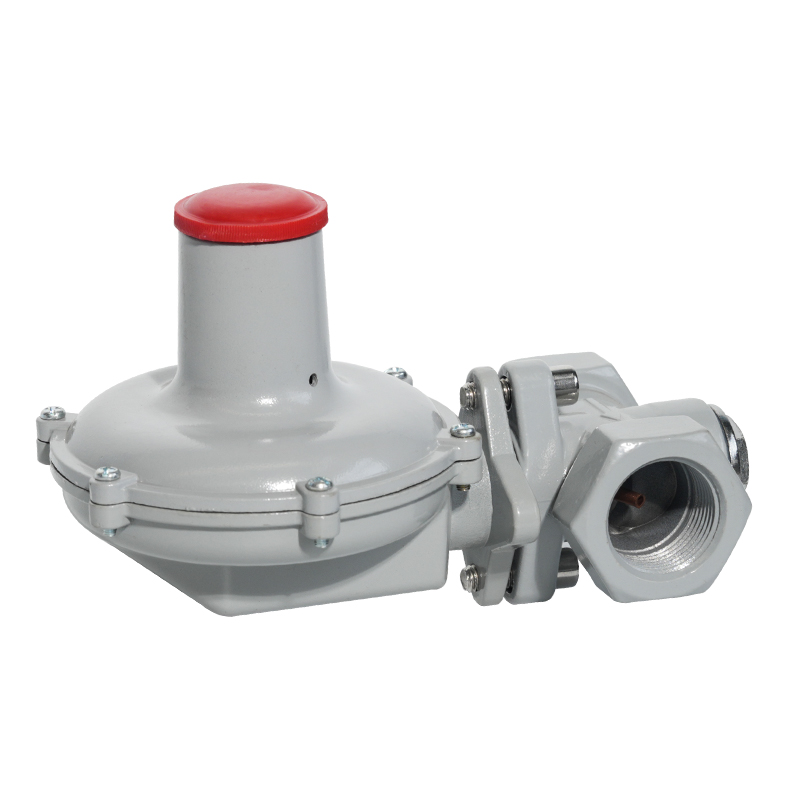
Safety valve gas control pump accessories pressure regulator is a key component in the gas supply system. Its main function is to ensure the stable su...
See Details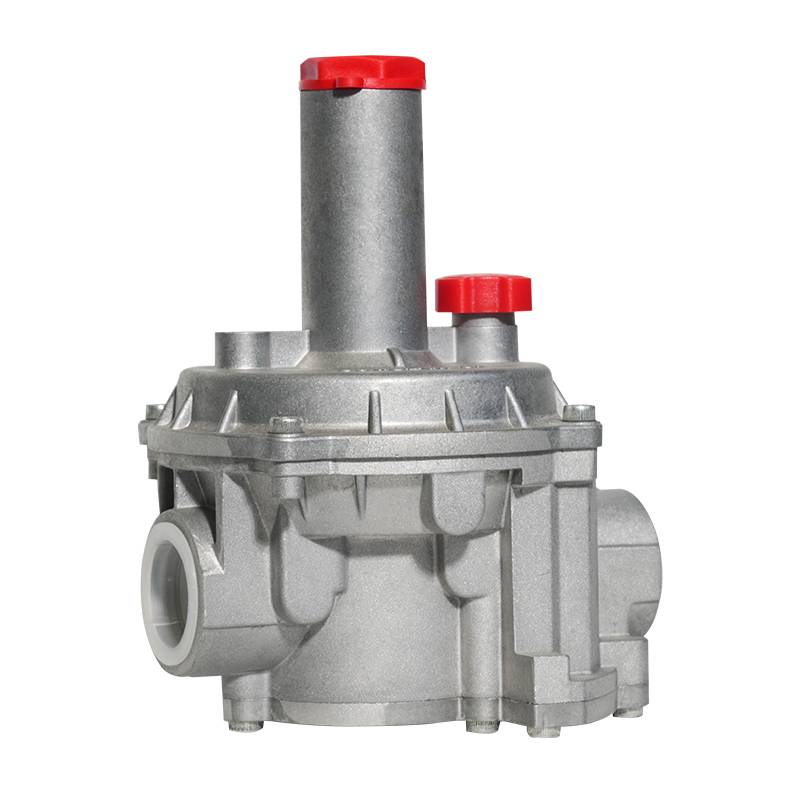
Industrial gas pressure regulating valve pressure reducing valve, pressure stabilizer is a device used to regulate and stabilize gas pressure. It can ...
See Details
The company is a manufacturer specializing in gas transmission and +distribution equipment and gas pressure regulators. It is a professional manufacturer integrating the research and development, design, manufacturing, marketing and after-sales service of gas equipment.
Phone: +86 138-5131-2088
Tel: +86 0515-83918669
Email: [email protected]
Add: No. 13, Yongchuang Road, Dazhong Industrial Park, Dafeng District, Yancheng City, Jiangsu Province, China
Copyright © Jiangsu Changrun Intelligent Gas Equipment Co., Ltd All Rights Reserved.
Custom Smart Gas Pressure Regulators Manufacturers, Suppliers
 Login
Login
Contact Us