 English
 русский
 Español
 عربى
عربىNatural gas valve pressure regulator gas regulating valve
LPG Pressure Regulator Industrial gas pressure regulator is a key device to ensure the safe use of gas. This regulating valve is mainly used to contro...
See Details


Request a Quote
Content
The term Gas Production Equipment encompasses a vast array of technologies designed to generate, separate, and purify gases that are fundamental to modern civilization. From the oxygen that fuels hospitals and steel mills to the nitrogen that preserves food and inert's chemical processes, and the biogas that turns waste into renewable energy, these systems are critical infrastructure. Selecting the right equipment is not merely a procurement decision; it is a strategic choice impacting operational efficiency, safety, energy costs, and environmental compliance for decades. The evolution from large, fixed central plants to more flexible, on-site generation solutions—such as modular gas production plant designs—reflects industry's demand for scalability, redundancy, and reduced logistical risk. This guide is crafted for project engineers, plant managers, and procurement specialists who require a deep, technical understanding of the available technologies, their integration points, and the total cost of ownership considerations. It is informed by the principles of manufacturers dedicated to the entire gas value chain, integrating advanced design, precision manufacturing, and a focus on complete system solutions from production through to pressure regulation and control.
The physics and chemistry of gas generation dictate the technology employed. The choice between methods like cryogenic distillation, pressure swing adsorption, membrane separation, or anaerobic digestion is primarily determined by the target gas, required purity, volume, and energy input. Understanding these fundamental processes is the first step in specifying suitable Gas Production Equipment.
The most established method for producing large volumes of high-purity oxygen, nitrogen, and argon is the Cryogenic Air Separation Unit (ASU). This process cools filtered and compressed air to cryogenic temperatures (below -150°C), where it liquefies and is then distilled in a fractional distillation column based on the different boiling points of its components. This technology is the backbone of supply for industrial oxygen gas production equipment used in steelmaking, chemical synthesis, and medical bulk supply, as it can deliver purities exceeding 99.5% and scale to thousands of tons per day.
| Technology | Typical Purity Range | Scale | Key Advantage | Primary Limitation |
| Cryogenic ASU | O2/N2: 95-99.9%+ | Large to Very Large (≥100 TPD) | Highest purity and volume; produces liquid products | High capital cost (CAPEX); slow start-up; less load-flexible |
| Pressure Swing Adsorption (PSA) | O2: 90-95%; N2: 95-99.9% | Small to Medium (up to 100 TPD) | Fast start-up; good turndown; lower CAPEX | Lower purity (especially for O2); higher power consumption per unit |
| Membrane Separation | N2: 95-99.5%; O2: 25-45% | Small (≤ 50 TPD) | Simplicity, low maintenance, compact size | Limited to moderate purities; gas-specific membrane types |
For many users, the logistical and cost challenges of delivered gas cylinders or liquid tanks make on-site generation compelling. Modular gas production plant designs using Pressure Swing Adsorption (PSA) or Vacuum Pressure Swing Adsorption (VPSA) technologies offer a flexible solution. These systems pass compressed air through a vessel containing a molecular sieve (e.g., zeolite) that selectively adsorbs nitrogen, allowing oxygen to pass through, or vice-versa for nitrogen production. The modular, skid-mounted nature allows for easier installation, scalability by adding units, and future relocation. For applications requiring ultra-high purity nitrogen in controlled environments or for mobile use, portable nitrogen gas production equipment using membrane or compact PSA technology is essential.
Moving beyond air-derived gases, small scale biogas production equipment represents a key technology for waste valorization and renewable energy. Anaerobic digestion breaks down organic material (agricultural waste, food waste, manure) in an oxygen-free digester, producing a methane-rich biogas (typically 50-70% CH4, with CO2 and trace gases) and a nutrient-rich digestate. The system's core includes feedstock pre-processing, the digester tank (often heated and mixed), gas storage (e.g., a flexible membrane holder), and subsequent gas upgrading equipment if the biogas is to be purified to biomethane for grid injection or vehicle fuel.
| System Component | Function | Key Design Considerations |
| Reception & Pre-treatment | Shredding, mixing, pasteurization | Particle size reduction, contamination removal, hygiene. |
| Anaerobic Digester | Biological decomposition of feedstock | Temperature (mesophilic/thermophilic), retention time, mixing efficiency, material (concrete, steel, membrane). |
| Biogas Handling | Storage, drying, compression | Gas holder type (integral, external), condensate removal, H2S scrubbing. |
| Gas Upgrading (Optional) | Purification to >95% methane | Technology choice (water scrubbing, membrane, PSA); defines final gas quality and use. |
The production unit is only the beginning. The true performance, safety, and reliability of a gas supply depend on its integration with auxiliary Gas Production Equipment. This includes robust gas pretreatment to protect downstream processes, precise pressure regulation to match application needs, and comprehensive safety systems.
The decision hinges on four primary factors: scale, purity, demand profile, and cost structure. For high-volume (typically >100 tons per day), continuous demand requiring the highest purity (e.g., >99.5% for steelmaking oxygen), a Cryogenic Air Separation Unit is more energy-efficient and cost-effective per unit of gas, despite its higher capital expenditure (CAPEX). For smaller to medium scales (1-100 TPD) with variable demand or where 90-95% oxygen purity is sufficient (e.g., wastewater treatment, aquaculture), a modular gas production plant using PSA/VPSA technology offers significant advantages: lower CAPEX, faster delivery and installation, rapid start-up/shutdown, and excellent load-following capability. A detailed analysis of the annual gas consumption profile and total cost of ownership (TCO) is essential.
It is highly feasible and increasingly common, driven by waste management costs and renewable energy incentives. The viability of small scale biogas production equipment depends on: 1) A consistent and sufficient supply of organic feedstock (e.g., daily manure from a minimum number of livestock, regular food waste); 2) A local use for the biogas (on-site heat/combined heat and power - CHP) or digestate (as fertilizer); and 3) Regulatory permissions. Modern prefabricated, containerized digester systems have simplified implementation. The key is a thorough feedstock analysis and a business model that accounts for avoided waste disposal costs, energy savings, and potential revenue from digestate and renewable energy certificates.
In this context, modular gas production plant refers to equipment that is pre-assembled and tested on structural steel frames (skids) within a controlled factory environment. This approach contrasts with traditional "stick-built" plants constructed piece-by-piece on-site. Modularity offers several key benefits: significantly reduced field construction time and cost, higher and more consistent quality assurance, easier scalability (capacity can be increased by adding identical skid-mounted modules), and potential for future relocation. It is the dominant approach for PSA, VPSA, and containerized biogas systems, making advanced gas production accessible and practical for a wider range of end-users.
Yes, modern portable nitrogen gas production equipment is capable of producing high-purity nitrogen suitable for sensitive applications. While large cryogenic plants traditionally set the standard for ultra-high purity (e.g., 99.999% or "5N"), advanced portable PSA units with multi-bed designs and integrated purification can reliably achieve purities of 99.9% to 99.999%. For critical applications like electronics soldering or laser cutting, these units are often coupled with final-point-of-use polishing filters to remove any last traces of oxygen and moisture. The key is to specify the required purity level and flow rate with the supplier to ensure the selected portable generator's design includes the necessary adsorption beds and monitoring instrumentation.
Operating industrial oxygen gas production equipment safely and effectively requires several critical auxiliary systems. First, an inlet air filtration and compression system must deliver clean, dry, oil-free air to prevent contamination and dangerous hydrocarbon buildup. Second, an oxygen compressor and receiver system designed specifically for oxygen service (with compatible materials and specialized lubrication) is needed to deliver gas at the required pressure. Third, a comprehensive safety system is non-negotiable; this includes oxygen-compatible valves and piping (typically copper or stainless steel), backflow prevention devices, pressure relief valves venting to a safe location, and area monitoring for oxygen enrichment. Finally, an oxygen analyzer is crucial for continuously verifying product purity.
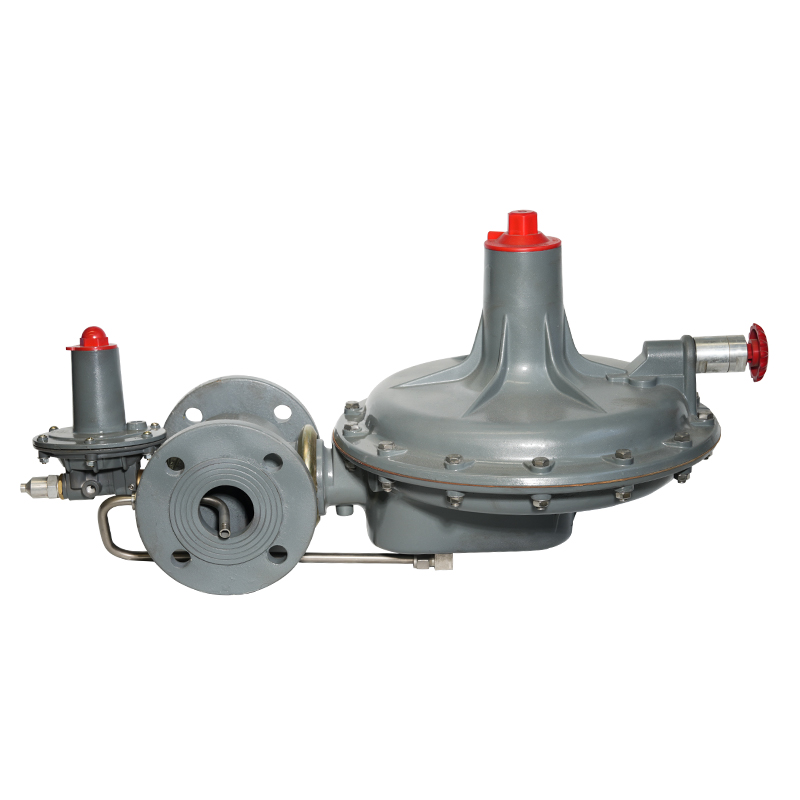
LPG Pressure Regulator Industrial gas pressure regulator is a key device to ensure the safe use of gas. This regulating valve is mainly used to contro...
See Details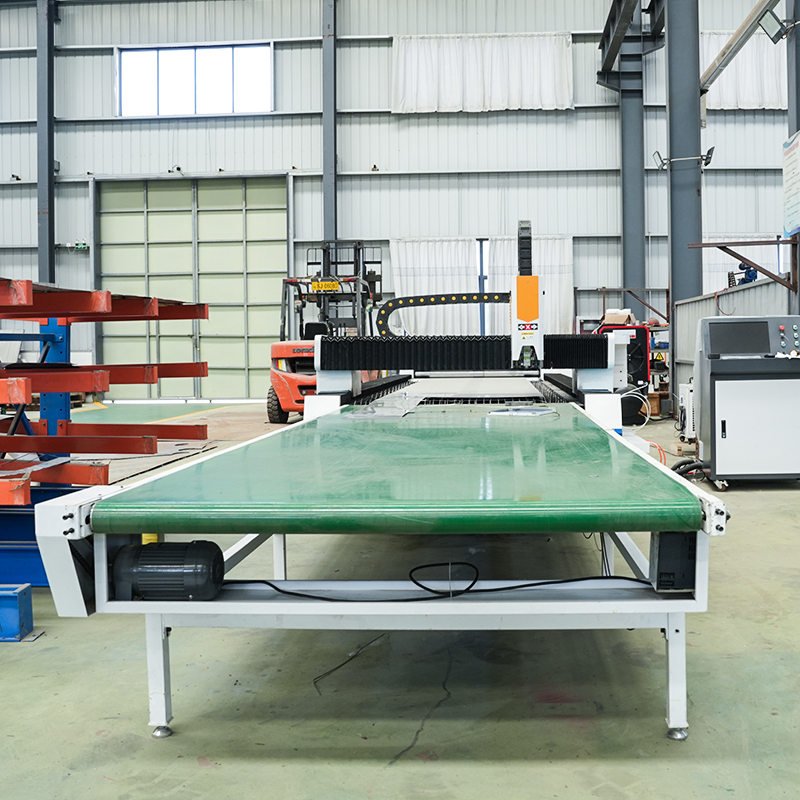
The leveling laser cutting machine is an advanced device that combines the leveling and laser cutting functions. It uses a high-precision laser beam f...
See Details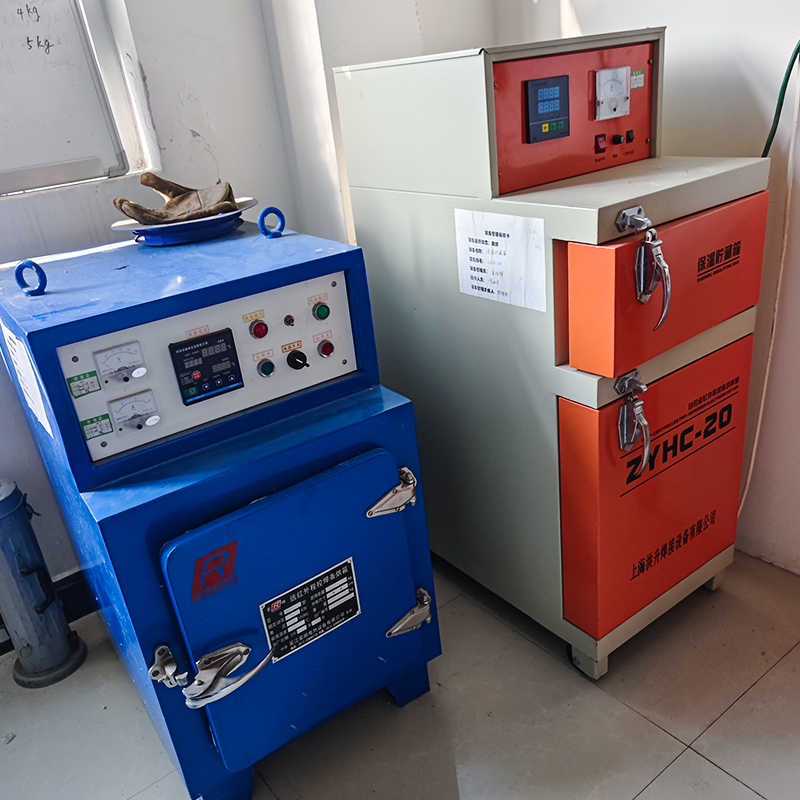
The welding rod baking and insulation box is an important equipment in welding engineering, mainly used for drying and heat preservation of welding ro...
See Details
The company is a manufacturer specializing in gas transmission and +distribution equipment and gas pressure regulators. It is a professional manufacturer integrating the research and development, design, manufacturing, marketing and after-sales service of gas equipment.
Phone: +86 138-5131-2088
Tel: +86 0515-83918669
Email: [email protected]
Add: No. 13, Yongchuang Road, Dazhong Industrial Park, Dafeng District, Yancheng City, Jiangsu Province, China
Copyright © Jiangsu Changrun Intelligent Gas Equipment Co., Ltd All Rights Reserved.
Custom Smart Gas Pressure Regulators Manufacturers, Suppliers
 Login
Login
Contact Us