 English
 русский
 Español
 عربى
عربىNatural gas pressure reducing valve, gas pressure regulator
Industrial LPG pressure regulator, also known as industrial LPG pressure regulator, is divided into high pressure and low pressure. This pressure regu...
See Details


Request a Quote
Content
China R&D pressure regulators are no longer only a cost story. For a DN50 unit holding a 0.4 MPa inlet down to a 30 kPa outlet, the difference between a design-led Chinese factory and an assembly workshop appears after roughly 5,000 operating cycles, when the outlet band starts to drift, and not on the quotation sheet.
A gas pressure regulator is four parts doing one job: a spring, a diaphragm, a valve trim and a body. Spring rate tolerance sets lock-up pressure. Diaphragm compound decides whether the unit still moves at minus 30 degrees Celsius. Trim geometry sets the accuracy class. A factory that buys all four as finished catalogue items can assemble a regulator, but it cannot improve one.
A China R&D pressure regulator is a unit whose spring calibration, diaphragm specification, trim geometry and body casting were defined by the manufacturer itself and validated on its own test benches, with results traceable to a serial number.
Jiangsu Changrun Intelligent Gas Equipment Co., Ltd., a gas transmission and distribution equipment manufacturer based in Jiangsu Province, works from that definition and covers regulators, regulating boxes, filters, safety relief valves and the test equipment used to verify them.
The term describes a factory that holds design authority over the parts controlling behaviour, not one that holds inventory. Design authority means the outlet band can be recalculated for a new spring, and that spring can be wound, heat treated and load tested before it is fitted to a body.
Design-led factory
Assembly-only supplier
The practical test is a document request. A design-led factory answers with a spring load record and a bench curve carrying the unit serial number. An assembly supplier answers with a catalogue page.
A new body size or a new spring range moves through six stages, and six to ten weeks pass before the first production unit ships. Skipping any stage shows up in the test data.
Prototype to approval timeline, DN50 high pressure regulator, working days
The quickest way to check a claim is to ask which dedicated test benches the factory owns. A regulator cannot be validated on a general-purpose compressed air line, because accuracy class, lock-up and diaphragm response each need controlled conditions.
| Test asset | What it verifies | Typical acceptance target |
| Regulator static characteristic bench | Accuracy class, lock-up, boost and hysteresis across 5 to 95 percent of flow | Class AC 5 to AC 10, lock-up inside SG 10 |
| Spring testing machine | Spring rate, free length and load at installed height | Rate within plus or minus 3 to 5 percent |
| Diaphragm temperature chamber | Flexibility and response from minus 40 to plus 80 degrees Celsius | No cracking, response inside band after cycling |
| X-ray inspection room | Weld penetration and porosity on pressure-bearing joints | Full penetration, no rejectable porosity |
| Welding rod baking box | Electrode moisture before welding | Dry electrodes, no hydrogen induced cracking |
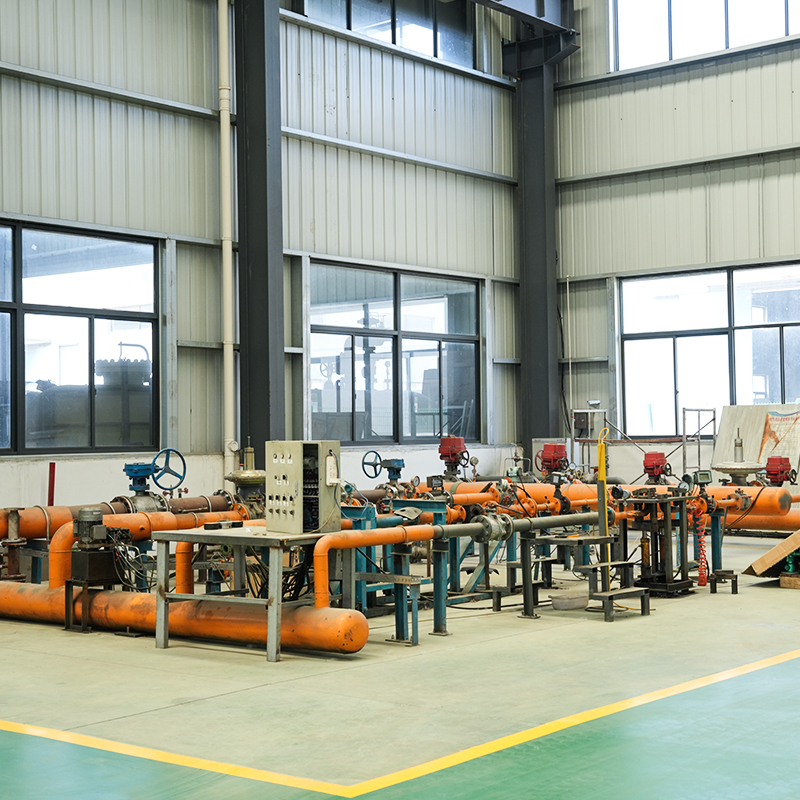 Voltage Regulator Static Characteristics Test Bench JTXJCT-5000Dedicated intelligent test bench automatically clamps and tests voltage regulators from DN15 to DN200, recording static characteristic data for controlled validation and audit.View Product →
A regulator that holds its band at 20 percent of rated flow is worth more than one whose datasheet is tight only at rated flow. Low-flow stability is a spring and trim problem, and a bench curve exposes it in one page.
Regulator designs are not interchangeable across pressure tiers. Inlet pressure, gas type and ambient range decide the body rating, the spring range and the diaphragm compound before anything else is selected.
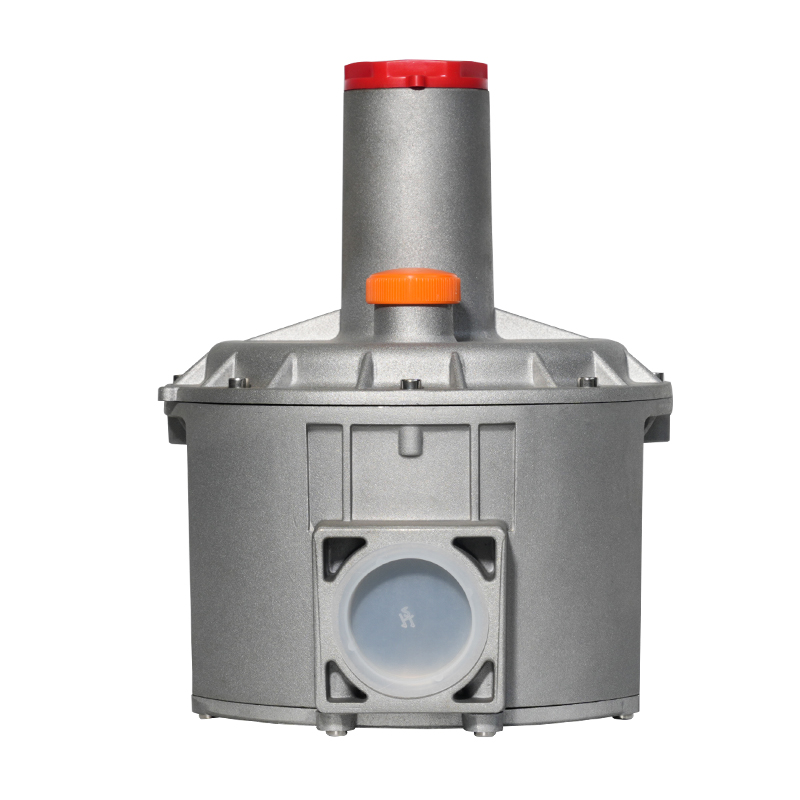 Natural Gas Pipeline Pressure Regulator for Gas Supply SystemsRegulates and stabilizes natural gas pipeline pressure using internal pressure balance, helping protect pipelines and equipment where inlet conditions and gas demand vary.View Product →
For pipeline duty in the medium pressure band, a balanced trim keeps the outlet band steady while inlet pressure swings, and that stability is what protects downstream meters and burners.
Custom specifications are routine in industrial gas supply, and a manufacturer that winds its own springs can hold them. Outlet ranges that fall between catalogue values, non-standard flange drillings, dual-stage bodies for cold climates and relief valves set to a customer-specified pressure are ordinary requests rather than exceptions.
A custom order usually starts with a drawing number and a target band instead of a product code. The sequence behind custom natural gas pressure regulator standards is the same one used for catalogue items: calculate, specify, machine, verify.
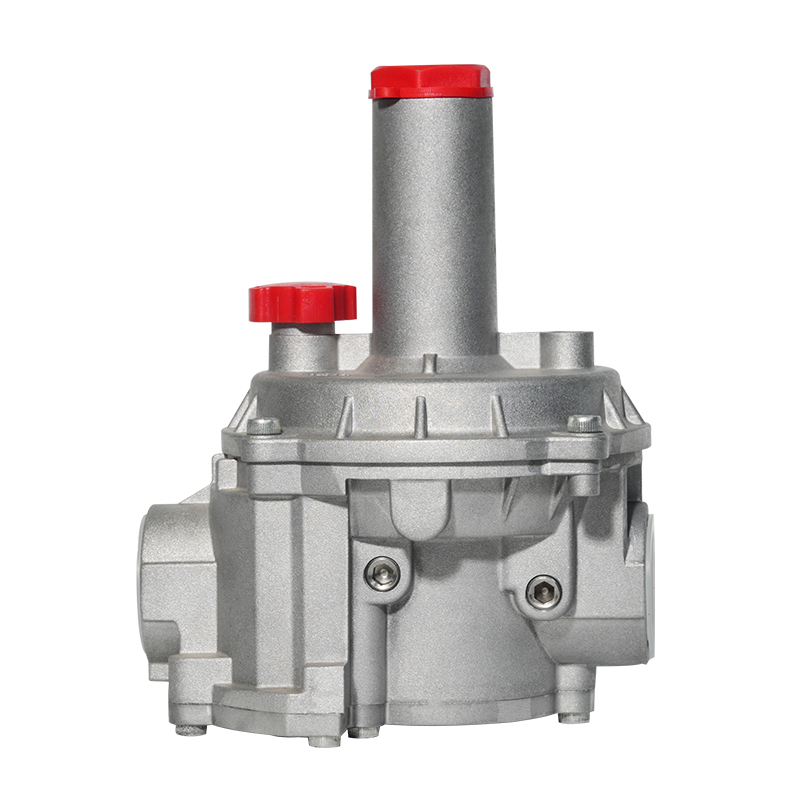 Industrial Gas Pressure Reducing Valve Model DDY15-100Regulates and stabilizes industrial gas pressure in gas supply systems across model DDY15-100, with inlet 10-100 KPa, outlet 1.5-50 KPa, and flow 5-5000 Nm3/h.View Product →
Ask for the drawing revision that covers the spring, the seat and the diaphragm separately. If one revision covers the whole regulator, the custom band was never calculated.
Documentation should be treated as a specification item, not paperwork. For a Chinese regulator bound for an overseas project, the records that decide acceptance are the type test report, the spring load record, the diaphragm temperature test and the weld inspection record.
Manufacturers such as Jiangsu Changrun Intelligent Gas Equipment Co., Ltd. keep this chain internal, with eight documented quality control procedures and an inspection department responsible for measurement and analysis, which makes serial-level traceability easier to supply than shipment-level averages.
Six questions resolve most of the uncertainty before an order is placed.
Ask for the bench curve with the serial number printed on it. A factory that cannot produce one is assembling regulators, not developing them.
It means the factory defines the spring rate, diaphragm specification, trim geometry and body casting itself, then proves them on dedicated benches. Assembly alone requires none of those decisions, so it produces no test data beyond a leak check.
A standard unit drawn from an existing spring family typically ships in three to six weeks. A new body size or spring range adds six to ten weeks for design, prototyping and bench validation, plus field trial time where the project demands it.
Yes, provided the manufacturer owns its spring and trim work and can supply a type test report stating the class. Class AC 5 is a spring rate and trim geometry result, so it cannot be claimed without bench evidence.
LPG service needs a regulator built for higher gas density and different elastomers, so a natural gas unit is not a safe substitute. The LPG reducing valve carries its own spring range and diaphragm compound for the same downstream pressure.
Pressure regulator quality is decided in the design file long before it reaches the loading dock. Audit the spring, the diaphragm and the bench curve, and the rest of the specification follows.
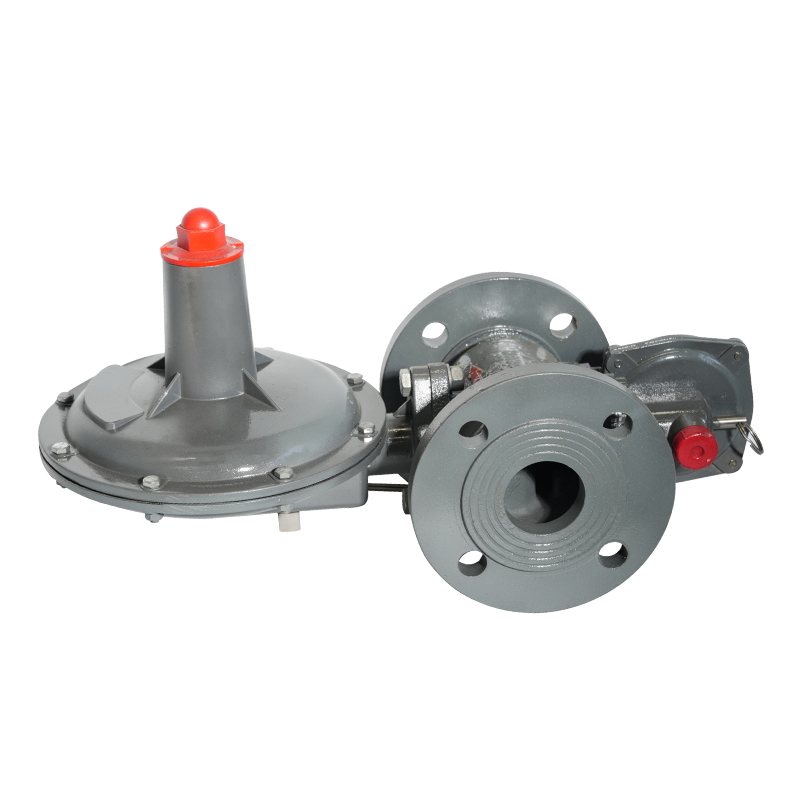
Industrial LPG pressure regulator, also known as industrial LPG pressure regulator, is divided into high pressure and low pressure. This pressure regu...
See Details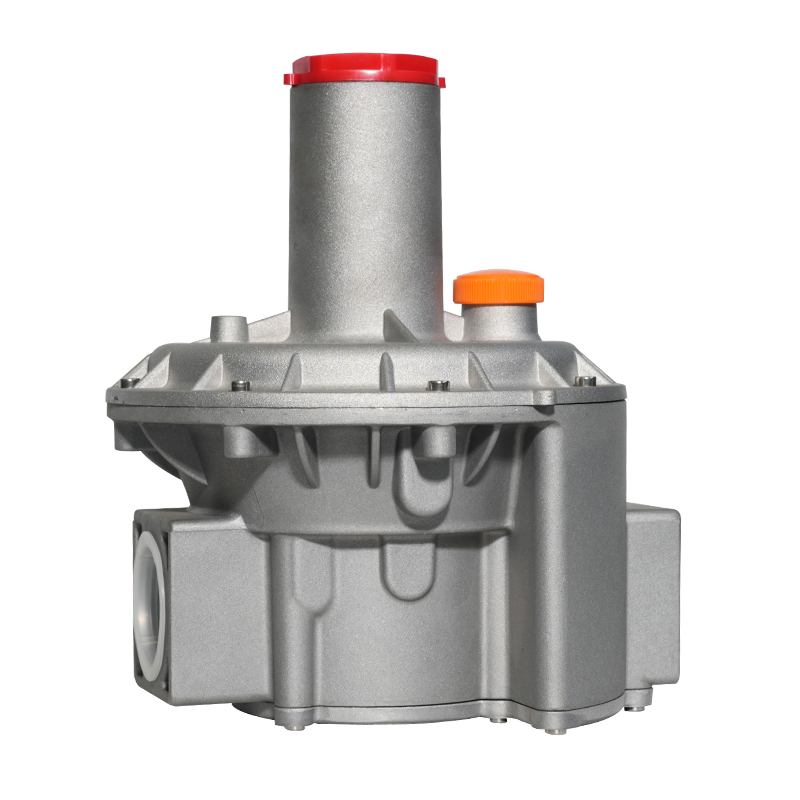
The natural gas pressure regulating valve and gas pipeline pressure regulator are important pipeline system devices, mainly used to adjust and control...
See Details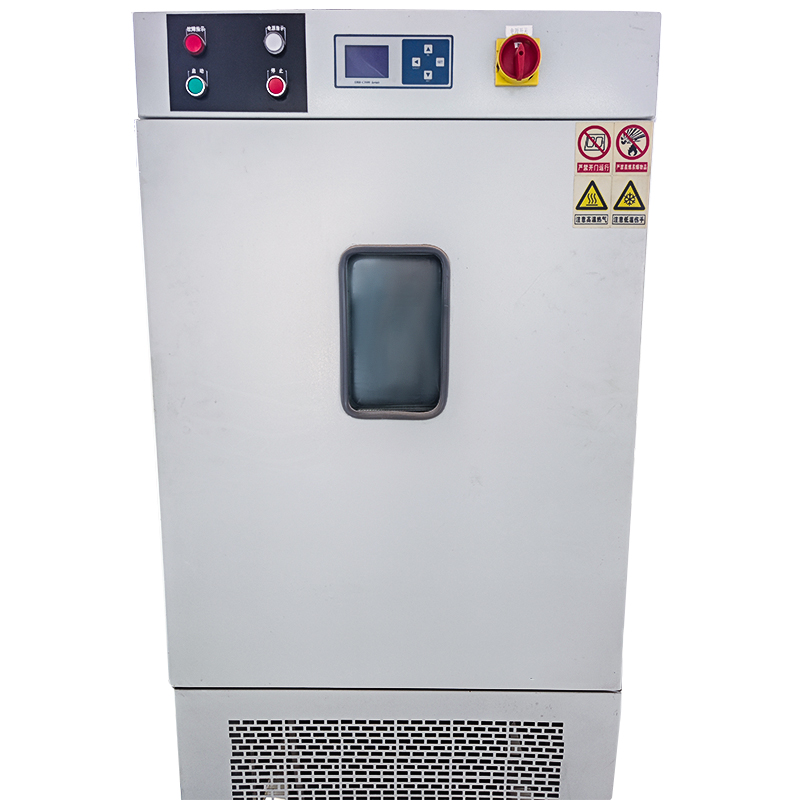
The film test high and low temperature chamber is a device specially used to test the stability and reliability of material films under different temp...
See Details
The company is a manufacturer specializing in gas transmission and +distribution equipment and gas pressure regulators. It is a professional manufacturer integrating the research and development, design, manufacturing, marketing and after-sales service of gas equipment.
Phone: +86 138-5131-2088
Tel: +86 0515-83918669
Email: [email protected]
Add: No. 13, Yongchuang Road, Dazhong Industrial Park, Dafeng District, Yancheng City, Jiangsu Province, China
Copyright © Jiangsu Changrun Intelligent Gas Equipment Co., Ltd All Rights Reserved.
Custom Smart Gas Pressure Regulators Manufacturers, Suppliers
 Login
Login
Contact Us