 English
 русский
 Español
 عربى
عربىLPG Pressure reducing valve, regulator
Gas pressure reducing valve for natural gas/liquefied gas/petroleum gas high-pressure regulator is widely used in natural gas, liquefied gas, petroleu...
See Details


Request a Quote
Content
A procurement engineer at a city gas utility in Southeast Asia received two quotations for the same skid-mounted gas pressure regulating cabinet in early 2026: one at $18,400 with a 45-day lead time, the other at $13,200 with a 90-day lead time and no material traceability documents. The lower quote came from a trading company that subcontracted the welding and skipped the static characteristic test. The higher quote came from a China OEM/ODM gas pressure regulating cabinet supplier with in-house fabrication and testing. The gap was not price. It was risk.
This article explains how to evaluate China OEM/ODM gas pressure regulating cabinet suppliers using production data, testing infrastructure, and customization depth, not catalog photos.
China OEM/ODM gas pressure regulating cabinet suppliers deliver three things that trading companies cannot: pressure control hardware, documented testing, and engineering changes that match site-specific inlet pressures.
An OEM supplier builds a regulating cabinet to your drawing number, flange standard, and control logic. An ODM supplier offers a proven cabinet platform that you can rebrand and adjust within defined pressure and flow parameters. Both models require a factory that owns welding, machining, assembly, and testing. Jiangsu Changrun Intelligent Gas Equipment Co., Ltd. is one example: a 10,000 square meter facility with five large machining workshops, annual output over 10,000 units, and 56 percent of its 30-plus employees in technical roles.
Product scope matters. A capable cabinet supplier typically covers high, medium, and low pressure regulators, safety shutoff valves, relief valves, filters, and the cabinet shell. If a supplier only sells assembled boxes and cannot show you the regulator test bench, the OEM claim is thin.
For a practical checklist on cabinet sizing and selection, see this guide on how to choose a gas pressure regulating box.
Five criteria separate real manufacturers from intermediaries: in-house pressure testing, material certification, welding documentation, custom engineering response, and verifiable delivery records.
Ask for the test bench, not the test report alone. A supplier that owns a regulator static characteristics test bench can run repeatability and lock-up pressure checks before shipment. A supplier that owns an X-ray inspection room can show weld quality for the cabinet body. Jiangsu Changrun lists both a voltage regulator static characteristics test bench and an X-ray inspection room in its equipment catalog. These are specific, verifiable capabilities.
| Criterion | Capable OEM/ODM supplier | Trading company risk |
| Pressure testing | In-house static and dynamic test bench | Third-party report only |
| Material traceability | Mill certificates for body, diaphragm, spring | Generic material statement |
| Welding quality | X-ray or ultrasonic inspection records | Visual check claim |
| Custom engineering | Drawing review within 3-5 days | No direct engineer access |
| Delivery record | Named projects and repeat orders | No factory audit trail |
A cabinet that passes a hydrostatic test but fails a diaphragm fatigue test will leak within 18 months. The difference is whether the supplier tests the regulator as a system or only the shell.
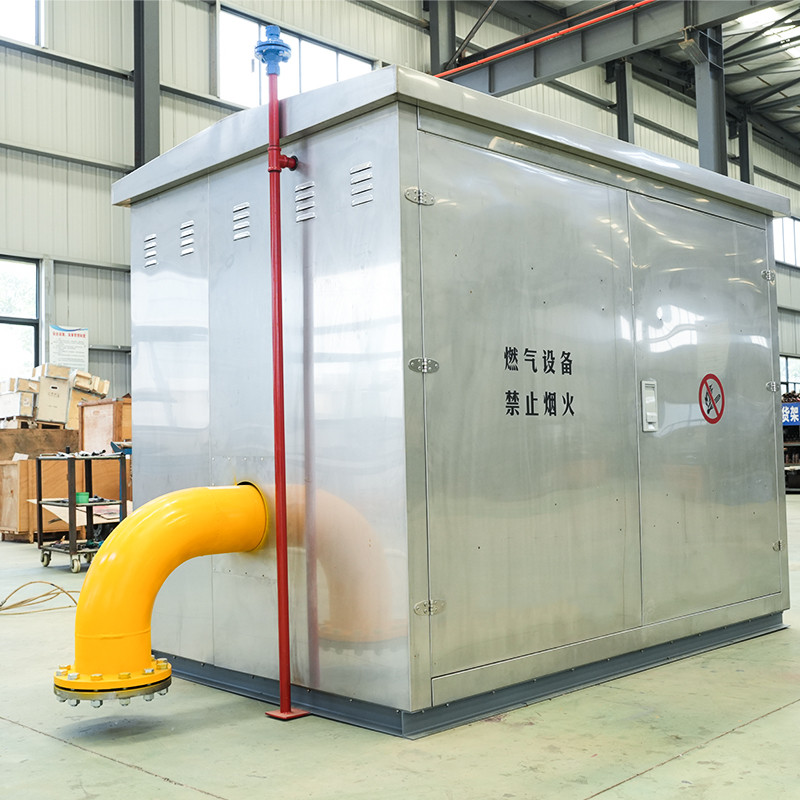 RX0.4 Stainless Steel Gas Pressure Regulating Cabinet with Safety ValvesStainless steel RX0.4 gas regulating cabinet with safety shut-off and relief valves; suits residential and commercial supply, so check customization and lead time.View Product →
Lead time and customization drive total cost more than unit price because a delayed cabinet stalls the entire gas distribution station commissioning schedule.
A 30-day delay on a $15,000 cabinet can add $40,000 or more in extended site labor, crane rental, and lost gas sales. That is why serious buyers weight manufacturing capacity and engineering response above the lowest quote. The chart below shows how procurement teams at gas utilities typically weight supplier evaluation factors.
Customization is not a luxury. A wall-mounted building pressure regulating box for a high-rise residential complex needs different spring ranges and outlet pressures than a stainless steel cabinet for an industrial park. The same factory can build both, but only if it controls its own regulator assembly line.
You provide drawings, pressure ratings, and connection standards. The supplier manufactures the cabinet and regulator to your specification. Best for repeat projects with frozen designs.
You select a proven cabinet platform and adjust outlet pressure, flow coefficient, and materials. Faster to market, lower engineering cost, but less differentiation.
Before signing, request four documents: regulator static characteristic curves, material mill certificates, weld inspection records, and a factory acceptance test procedure.
These documents turn a supplier's quality claim into evidence. A static characteristic curve shows the regulator's accuracy class and lock-up pressure. Material certificates prove the diaphragm and spring meet the specified temperature and fatigue range. Weld inspection records, such as X-ray films, confirm the cabinet shell can hold design pressure.
Jiangsu Changrun operates several test and verification assets that support these documents: a film test high and low temperature box for diaphragm material, a spring testing machine for spring force validation, a regulator static characteristics test bench, and an X-ray inspection room. Each asset maps to a specific failure mode in a gas pressure regulating cabinet.
Ask for the raw test data, not a summary certificate. A curve with date, serial number, and technician signature is auditable. A generic compliance letter is not.
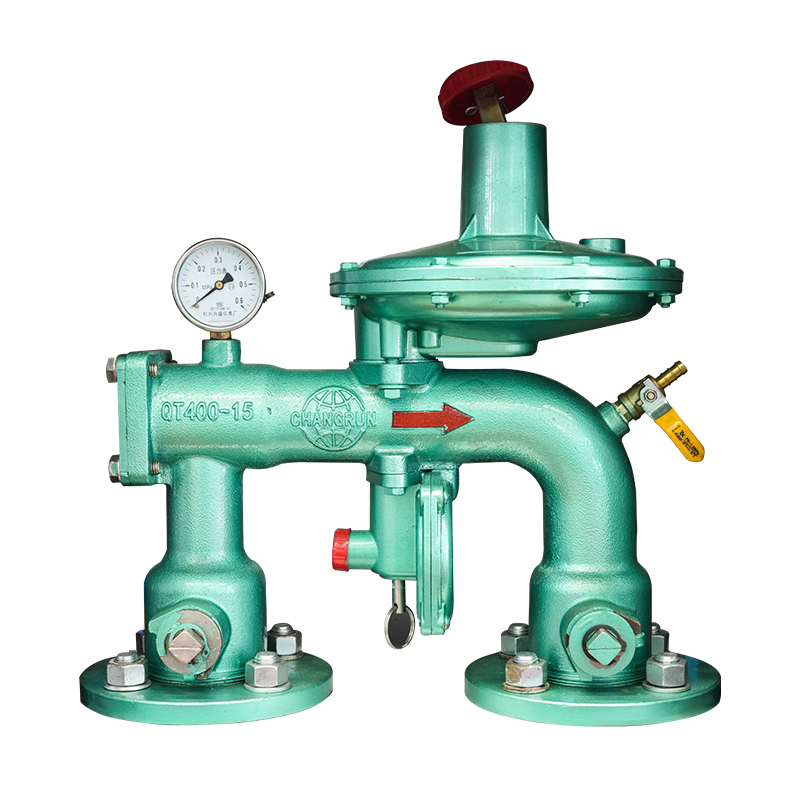 Wall-Mounted Natural Gas Pressure Regulating Box RX0.4/100AWall-mounted building regulator with overpressure automatic cut-off and manual reset; request raw test data and supplier traceability before trial orders.View Product →
You can verify a China OEM/ODM gas pressure regulating cabinet supplier remotely by combining a live video audit, document traceability checks, and a small trial order.
An OEM supplier builds a regulating cabinet to your drawings and specifications. An ODM supplier offers a standard cabinet platform that you can customize within defined pressure, flow, and material limits. OEM requires more engineering input from you; ODM is faster for standard station designs.
Typical lead time for a custom cabinet is 35 to 60 days after drawing approval, depending on material availability and testing requirements. Suppliers with in-house welding and testing can hold the lower end. Add 7 to 10 days for third-party inspection if required.
At minimum: shell hydrostatic test, regulator static characteristic test, safety shutoff valve response test, and leak test at operating pressure. For low-temperature applications, add diaphragm material testing in a high and low temperature box.
Ask for live video of the production floor, check whether the regulator test bench and welding equipment are owned or subcontracted, and request a trial order with full material certificates. A trading company will struggle to show continuous welding and testing operations.
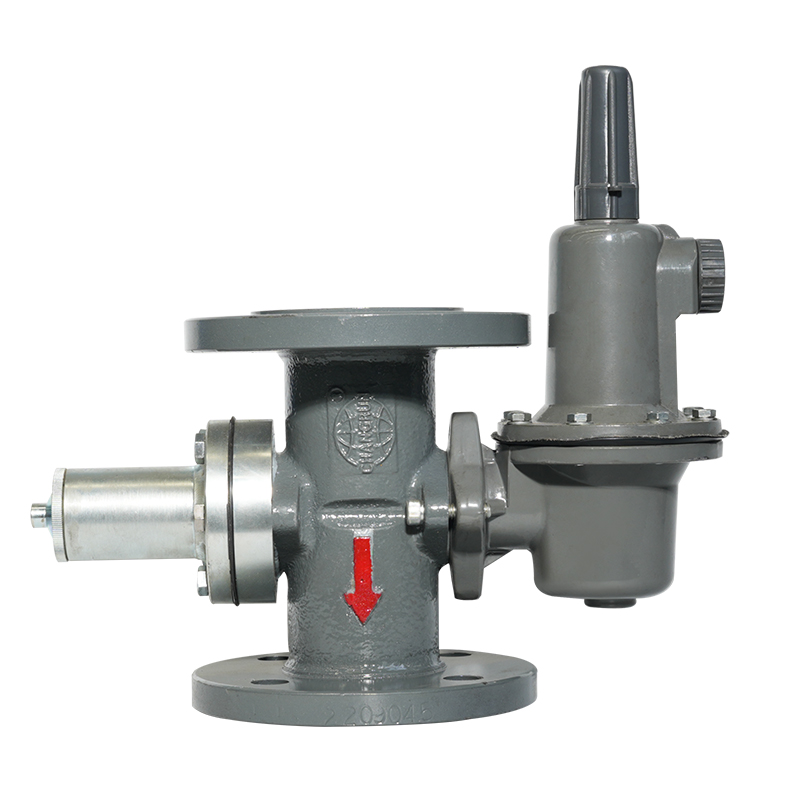
Gas pressure reducing valve for natural gas/liquefied gas/petroleum gas high-pressure regulator is widely used in natural gas, liquefied gas, petroleu...
See Details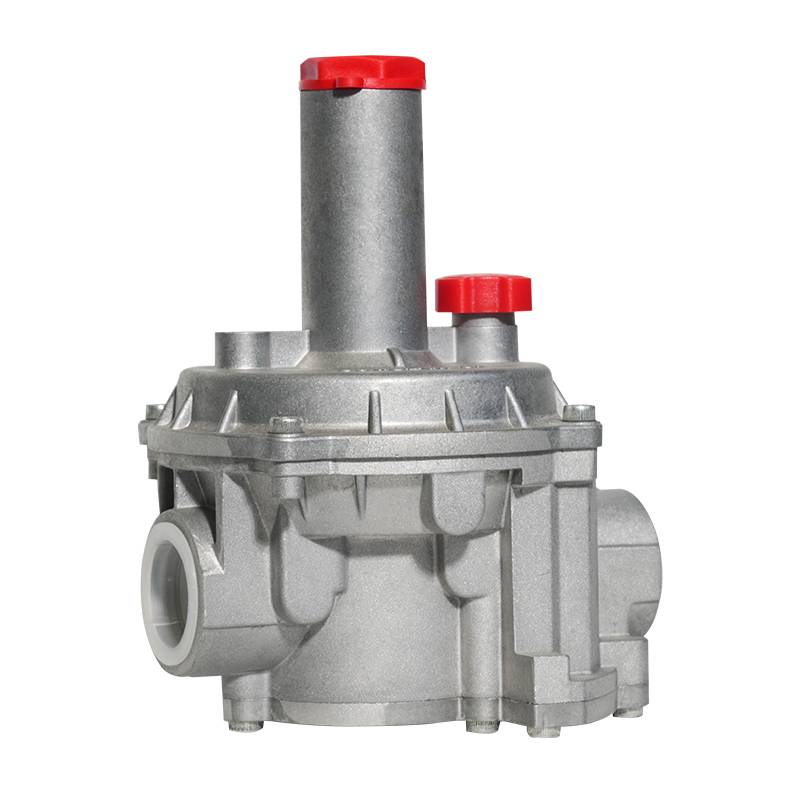
Industrial gas pressure regulating valve pressure reducing valve, pressure stabilizer is a device used to regulate and stabilize gas pressure. It can ...
See Details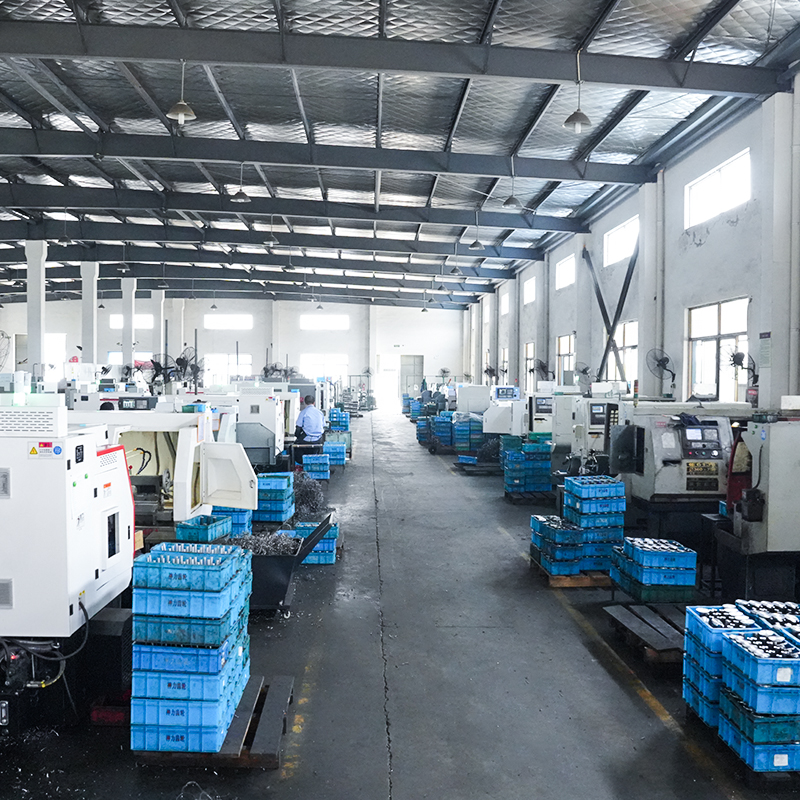
The gas parts processing center is a highly integrated and automated processing equipment based on advanced technologies such as CNC technology and me...
See Details
The company is a manufacturer specializing in gas transmission and +distribution equipment and gas pressure regulators. It is a professional manufacturer integrating the research and development, design, manufacturing, marketing and after-sales service of gas equipment.
Phone: +86 138-5131-2088
Tel: +86 0515-83918669
Email: [email protected]
Add: No. 13, Yongchuang Road, Dazhong Industrial Park, Dafeng District, Yancheng City, Jiangsu Province, China
Copyright © Jiangsu Changrun Intelligent Gas Equipment Co., Ltd All Rights Reserved.
Custom Smart Gas Pressure Regulators Manufacturers, Suppliers
 Login
Login
Contact Us