 English
 русский
 Español
 عربى
PN16 DN50/DN80 flanged ductile iron Y-type strainer
PN16 DN50/DN80 flange ductile iron Y-type filter valve is a flange-connected ductile iron Y-type filter valve. PN16 means the nominal pressure is 1.6M...
See Details


Request a Quote
Content
A tender arrives with three numbers no catalogue can meet: 100 bar inlet, an outlet held inside 2 percent of a 4 bar set point, and a DN80 connection drilled to a pattern the shortlisted Chinese factories have never produced. The buyer does not need a new regulator concept. The buyer needs a plant willing to retrim an existing certified body, recut the spring, and prove the result on a static characteristic bench before the crate leaves the workshop. That is what custom pipeline gas pressure regulator sourcing in China looks like when the project is a city gate station rather than a residential riser.
A custom pipeline gas pressure regulator is a regulator whose pressure-containing body keeps an existing certified design while the spring range, orifice, valve plug, diaphragm assembly and connection geometry are re-specified to one project's pressure and flow envelope. Only two changes force new tooling: a different body material and a different flange drilling pattern. Everything else is rework inside the same casting.
That distinction sets the price. A retrimmed DN50 ductile iron unit leaves the factory on the same production line as the standard series. A new pattern adds dedicated tooling cost and a prototyping cycle that can run to eight weeks before a saleable casting exists, and the buyer pays for it whether the order is for 5 units or 500.
Spring range, orifice diameter, diaphragm compound, pilot configuration, relief valve integration and flange drilling are routine customisations that a mature Chinese regulator plant handles without a new pattern. Changing the body casting, the safety shut-off architecture or the pressure class above 100 bar turns a catalogue modification into an engineering project with its own validation budget and its own schedule risk.
Cabinets are where the boundary blurs. A wall-mounted building regulator box and a stainless steel regulating cabinet both start from the same regulator core, yet the enclosure, ventilation, vent line routing and instrumentation belong to a separate design file. Buyers who specify a cabinet-mounted station should expect drawing approval to take longer than the regulator build itself.
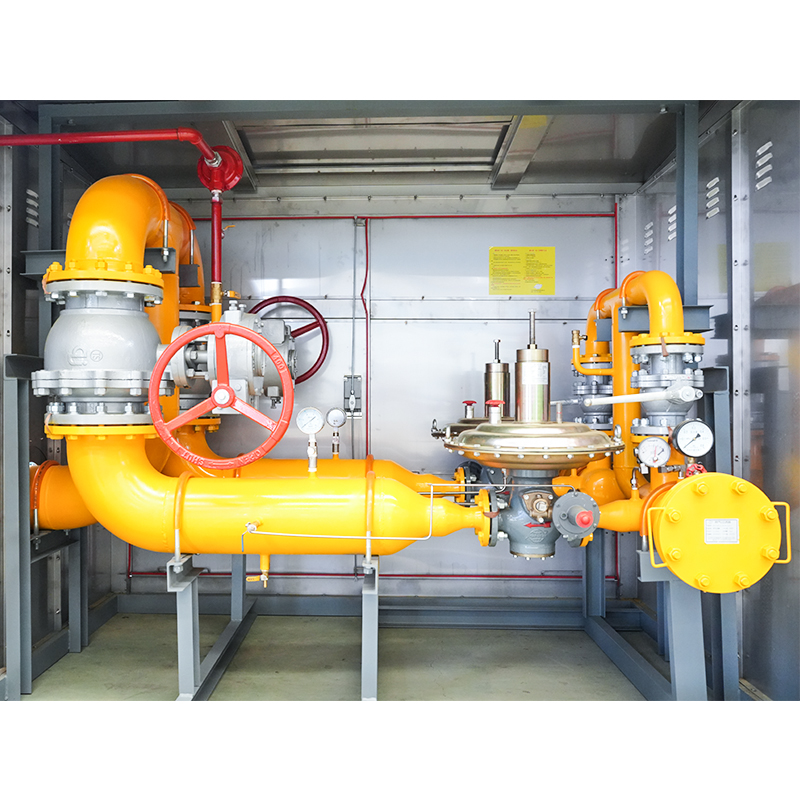 Natural Gas Pressure Regulating Cabinet with Integrated Safety ControlsIntegrated cabinet combining filtration, regulation, metering and safety shut-off/relief valves; cabinet design and drawing approval add time beyond the regulator core.View Product →
Six parameters decide price, lead time and test protocol. Freeze all six in the enquiry and a Chinese factory returns a firm quotation in three working days; leave one open and the file sits in drawing approval until a project engineer answers an email from nine time zones away.
| Parameter | What to write | What it locks down |
| Inlet pressure | Maximum, minimum and surge values | Body class and safety valve setting |
| Outlet and accuracy | Set point, permitted band, EN 334 class | Spring rate, diaphragm area, pilot type |
| Flow capacity | Normal and maximum Nm3/h, minimum turndown | Orifice and valve plug size |
| Materials | Body grade (GGG50, WCB, 316L) and diaphragm | Casting or machining programme |
| Connections | Flange standard, DN, rating, facing | Drilling pattern and weld preparation |
| Temperature | Gas temperature and ambient range | Elastomer grade and freeze protection |
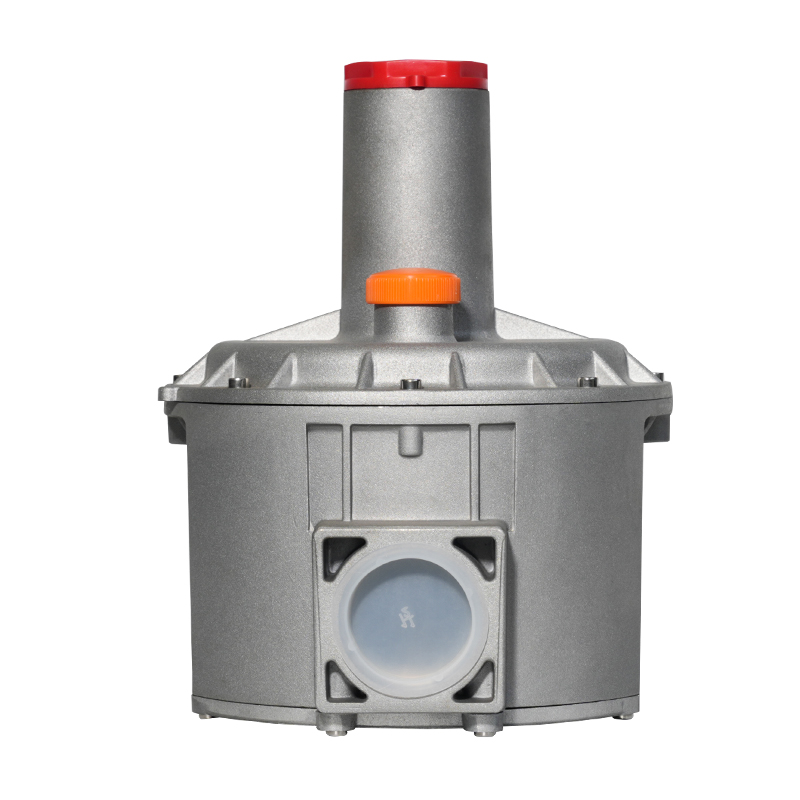 Natural Gas Pipeline Pressure Regulator with Pressure-Balance ControlPipeline pressure regulator using internal pressure-balance principle to stabilize downstream pressure; useful when defining the six enquiry parameters and comparing outlet-pressure accuracy claims.View Product →
EN 334 sorts outlet-pressure accuracy into classes 1, 2.5, 5, 10, 20 and 30, each expressed as a percentage of the outlet set point. The class number is a ratio, not a fixed pressure band, so two suppliers quoting the same percentage against different set points are not offering the same hardware.
At a 4 bar set point, class 2.5 permits 0.1 bar of drift and class 10 permits 0.4 bar, from the same body shell, with two different spring specifications and two different prices. GB 27790-2011 uses its own accuracy grades for the domestic market, so a unit sold to a Chinese city gas company and a unit sold to a European distribution operator can carry different stated tolerances even when the hardware is identical.
Four figures separate a genuine regulator manufacturer from a trading office with a catalogue: covered floor area, workshop count, annual unit output and the share of staff in technical roles. Ask for all four in writing, then ask which department signs the drawing.
Jiangsu Changrun Intelligent Gas Equipment Co., Ltd. reports exactly that profile: 10,000 square metres of floor space, five large machining workshops, annual output above 10,000 units and a technical team forming 56 percent of a staff of more than 30. The company states registered capital of RMB 50 million, total assets of RMB 200 million and sales revenue above RMB 100 million, runs 9 departments including a dedicated quality inspection function, designs in AutoCAD and machines on CNC equipment. When a buyer revises a flange facing on a Friday, that combination is what produces a corrected model the following week. The tolerance framework those drawings must satisfy is set out in this note on custom natural gas pressure regulator standards.
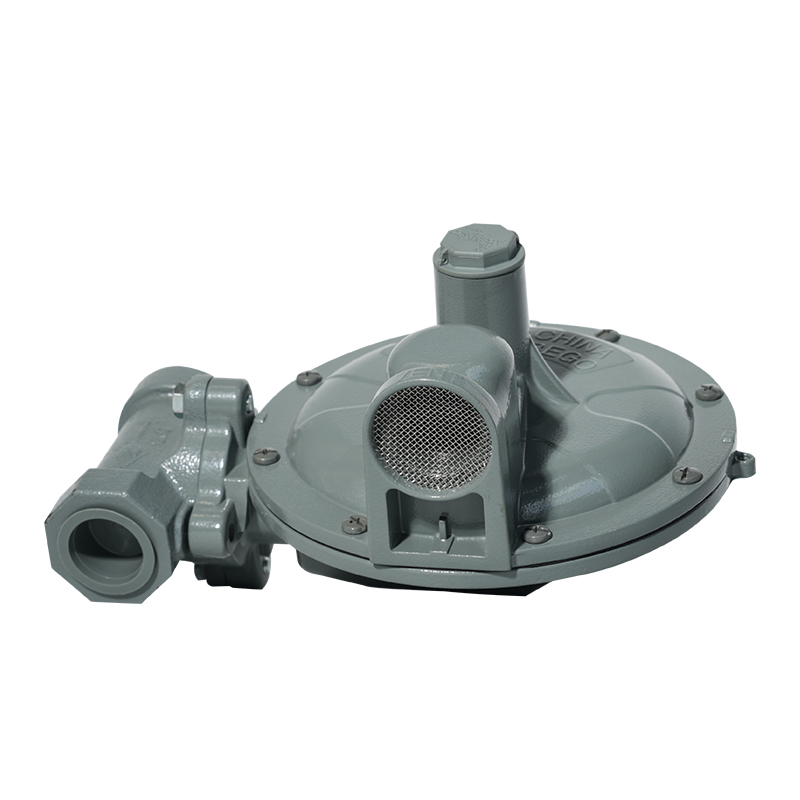 High-Pressure Gas Regulating Valve with Integrated Safety ValveCombined safety valve and pressure regulator for high-pressure gas service; review its valve body, spring and sensor design and ask for bench evidence before deposit.View Product →
A regulator is only as good as the bench it was measured on, and that bench is the first thing a serious buyer should request in photographs or on a live video call before a deposit is released.
The sequence below is the shortest route from a project specification to a regulator that enters service without a commissioning argument.
The gap between a regulator that runs quietly for a decade and one that generates a warranty claim is almost never the design. It is whether the six parameters were frozen before the drawing, whether the accuracy class was written in EN 334 terms instead of a percentage in an email, and whether the test record travelled in the crate with the unit.
Buy from a manufacturer that owns its machining, its test bench and its quality department. Price, lead time and the credibility of the datasheet follow from that single decision.
From drawing approval, a retrimmed bare regulator normally ships in six to eight weeks, and a cabinet-mounted station in twelve weeks or more, because the enclosure, instrumentation and vent routing pass through a second design review. Add two weeks whenever third-party inspection is written into the contract.
Reference GB 27790-2011 for city gas regulators and GB 27791-2011 for regulating boxes on domestic projects, and EN 334 for regulators plus EN 14382 for safety shut-off devices on export projects. ISO 23555-1:2018 covers regulators for inlet pressures up to and including 100 bar and is the cleanest common reference when buyer and factory work to different national codes.
Only if the plant owns a static characteristic test bench. A supplier that outsources testing will send a third-party compliance certificate rather than a curve measured on the unit in the crate, so require the serial number on the test record to match the serial number on the nameplate.
Whenever inlet pressure stays at or below 100 bar, the outlet sits inside a catalogue spring range and the connection matches a standard flange drilling. In that case a custom order buys nothing except additional lead time and a higher unit price.
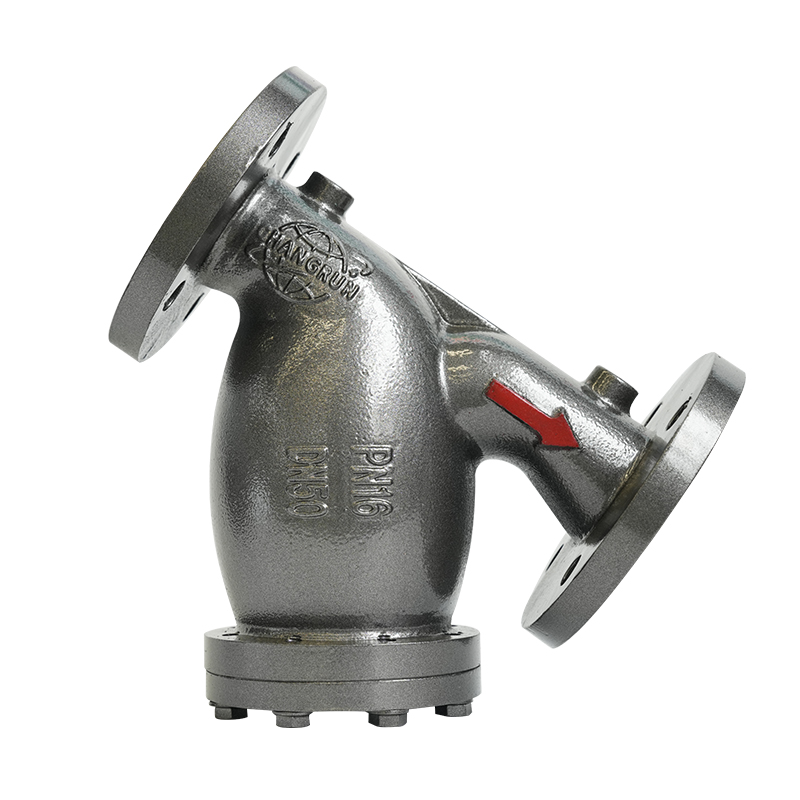
PN16 DN50/DN80 flange ductile iron Y-type filter valve is a flange-connected ductile iron Y-type filter valve. PN16 means the nominal pressure is 1.6M...
See Details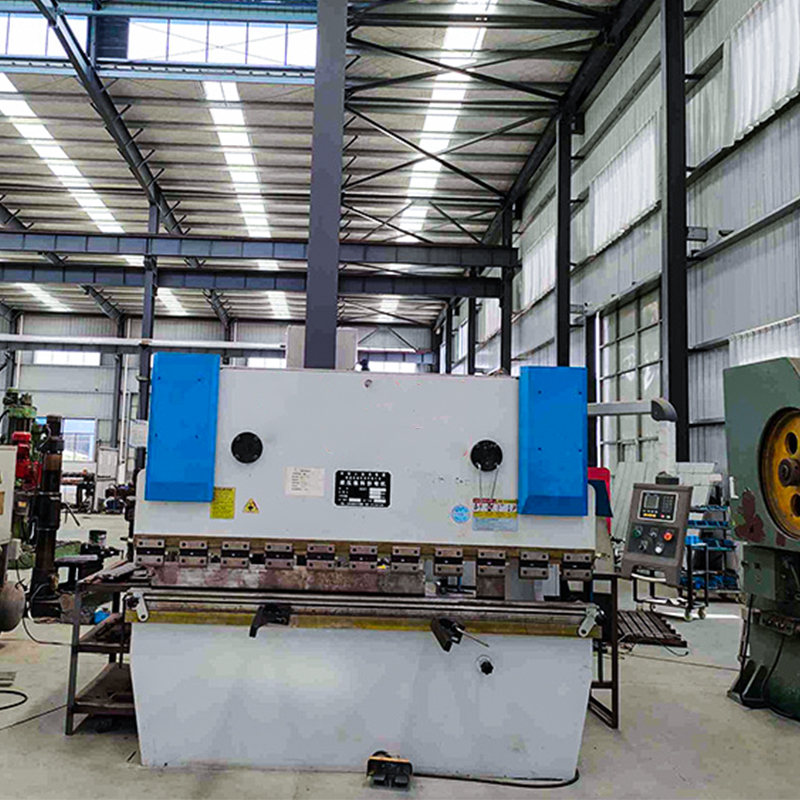
Natural gas/LPG gas generator is a device specially used to convert natural gas or LPG into electrical energy. The device connects the engine and the ...
See Details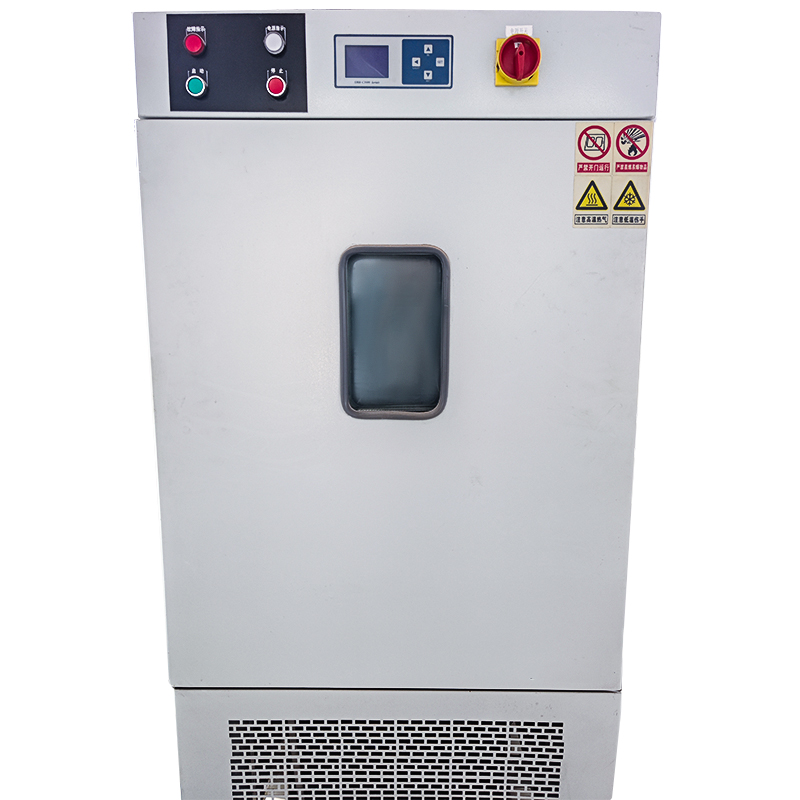
The film test high and low temperature chamber is a device specially used to test the stability and reliability of material films under different temp...
See Details
The company is a manufacturer specializing in gas transmission and +distribution equipment and gas pressure regulators. It is a professional manufacturer integrating the research and development, design, manufacturing, marketing and after-sales service of gas equipment.
Phone: +86 138-5131-2088
Tel: +86 0515-83918669
Email: [email protected]
Add: No. 13, Yongchuang Road, Dazhong Industrial Park, Dafeng District, Yancheng City, Jiangsu Province, China
Copyright © Jiangsu Changrun Intelligent Gas Equipment Co., Ltd All Rights Reserved.
Custom Smart Gas Pressure Regulators Manufacturers, Suppliers
 Login
Contact Us