 English
 русский
 Español
 عربى
عربىPipeline gas pressure reducing valve, regulator
The gas pressure regulator is a key device to maintain the stability of the downstream pressure of the gas pipeline. It automatically changes the gas ...
See Details


Request a Quote
Content
Industrial Gas Systems
Gas Production Equipment refers to the class of industrial systems designed to generate, separate, or purify gases required for manufacturing, chemical processing, energy production, and utility applications, either from ambient air, water, or hydrocarbon feedstock. Rather than relying exclusively on delivered gas cylinders or bulk liquid supply, many industrial facilities integrate on-site gas production equipment directly into their process lines to produce nitrogen, oxygen, hydrogen, or other process gases at the point of use. This approach reduces dependency on external logistics, supports continuous production schedules, and allows gas purity and flow rate to be matched precisely to the requirements of a specific manufacturing process.
Gas production equipment spans several distinct technology categories, each suited to different gas types, purity requirements, and production scale. These include pressure swing adsorption systems, membrane separation systems, cryogenic air separation units, water electrolysis systems for hydrogen generation, and steam methane reforming systems for hydrogen and syngas production. Selection among these technologies depends on the target gas composition, required purity level, production volume, available feedstock, and facility integration constraints. Facilities evaluating gas production equipment typically weigh capital investment against long term operating cost, factoring in feedstock and utility availability, anticipated production growth, and the reliability requirements of the downstream manufacturing processes that depend on a continuous, specification compliant gas supply.
Within an industrial context, gas production equipment is defined as any engineered system that converts a raw input, most commonly compressed ambient air, water, or a hydrocarbon fuel source, into a purified process gas output meeting a defined specification for composition, purity, pressure, and flow rate. This definition covers a wide range of physical separation and chemical conversion mechanisms, distinguishing gas production equipment from simple gas storage or gas distribution infrastructure, which handles gas that has already been produced elsewhere.
The scope of gas production equipment includes both standalone generator units, sized for a single production line or laboratory application, and larger integrated plant systems supplying gas across an entire industrial facility. Equipment in this category is typically classified according to the gas produced, including nitrogen generation equipment, oxygen generation equipment, hydrogen generation equipment, and specialty gas separation equipment for applications such as biogas upgrading or carbon dioxide recovery.
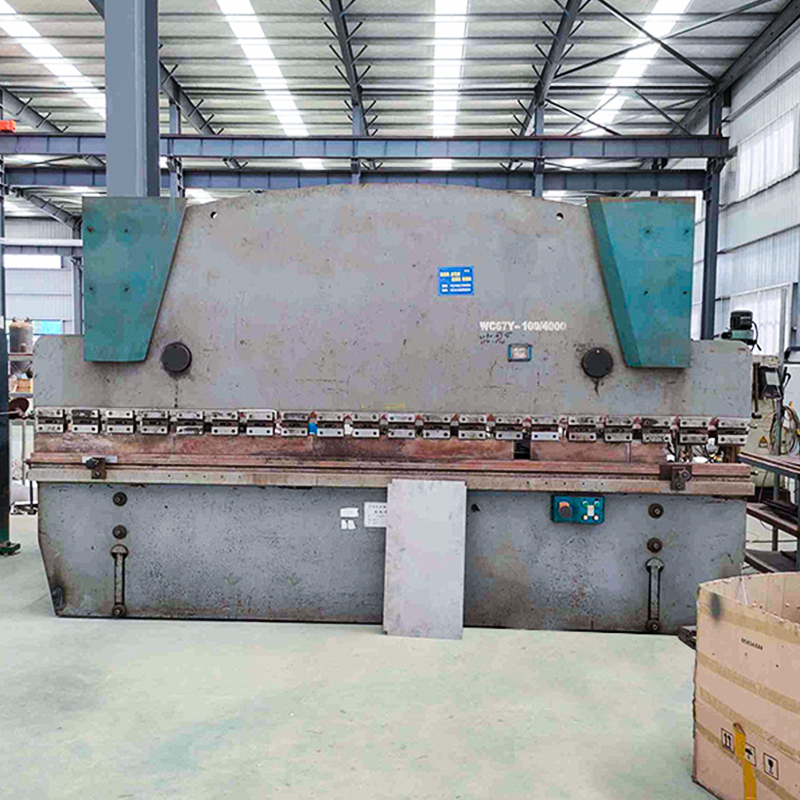
The technical mechanism underlying gas production equipment depends on the separation or conversion method employed, with each method suited to specific gas purity ranges and production scales.
Pressure swing adsorption, commonly abbreviated as PSA, is a physical separation process used extensively in nitrogen and oxygen generation equipment. In a typical PSA nitrogen generator, compressed air is passed through vessels containing carbon molecular sieve material, which selectively adsorbs oxygen molecules at elevated pressure while allowing nitrogen molecules to pass through as the product gas. Once the adsorbent bed approaches saturation, system pressure is reduced to desorb the retained oxygen, and the vessel is purged before returning to the adsorption phase. Dual vessel configurations operate in alternating cycles, allowing continuous gas output despite the cyclical nature of the adsorption and regeneration process. PSA oxygen generation equipment operates on a comparable principle using zeolite adsorbent material that selectively retains nitrogen, producing oxygen enriched gas as the process output.
Membrane based gas production equipment separates gas components based on differential permeation rates through a selective polymer membrane. Compressed air is introduced into a bundle of hollow fiber membranes, and oxygen, carbon dioxide, and water vapor permeate through the membrane wall at a faster rate than nitrogen, resulting in a nitrogen enriched retentate stream at the membrane bundle outlet. Membrane systems typically produce lower purity nitrogen than PSA systems but offer advantages in mechanical simplicity, absence of moving parts within the separation module, and rapid start-up compared to adsorption based systems, making membrane equipment suitable for applications where moderate purity nitrogen is sufficient.
Cryogenic air separation represents the technology of choice for large scale gas production equipment supplying high purity nitrogen, oxygen, and argon simultaneously. In this process, ambient air is compressed, cooled through a series of heat exchangers, and further cooled until it reaches cryogenic temperature, at which point the primary air components condense into liquid form. The resulting liquid air mixture is then separated through fractional distillation columns, exploiting the differing boiling points of nitrogen, oxygen, and argon to achieve high purity separation exceeding 99.9 percent for each target gas stream. Cryogenic air separation units require substantial capital investment and facility footprint relative to PSA or membrane systems, but offer superior purity and the capability to co-produce multiple gas products from a single air separation train.
For hydrogen production applications, water electrolysis represents an increasingly significant category of gas production equipment. In electrolysis based hydrogen generation equipment, an electric current is passed through water containing a conductive electrolyte, or through a solid polymer electrolyte membrane in the case of proton exchange membrane electrolyzers, splitting water molecules into hydrogen and oxygen at separate electrodes. Alkaline electrolysis systems use a liquid alkaline electrolyte solution between electrodes, while proton exchange membrane electrolysis systems use a solid polymer membrane that conducts protons between electrodes without a liquid electrolyte, offering faster response to variable power input and a more compact system footprint.
Steam methane reforming remains a widely deployed technology for large scale hydrogen and syngas production equipment, particularly in petrochemical and refining applications. In this process, natural gas or another light hydrocarbon feedstock is reacted with high temperature steam over a nickel based catalyst, converting methane and steam into hydrogen and carbon monoxide. A subsequent water gas shift reaction converts additional carbon monoxide and steam into hydrogen and carbon dioxide, increasing overall hydrogen yield. Pressure swing adsorption is frequently integrated downstream of the reforming reactor to purify the hydrogen product stream to the purity level required for the intended application.
The following sequence describes a representative process flow for PSA based nitrogen generation equipment integrated into an industrial facility.
Selection of gas production equipment for a specific industrial application requires evaluation against a defined set of technical specifications, including gas purity, production capacity, delivery pressure, power consumption, and equipment footprint.
Gas purity, typically expressed as a percentage or in parts per million of residual impurity, determines suitability for specific end use applications, with electronics manufacturing and pharmaceutical processing generally requiring substantially higher purity levels than general purpose inerting or blanketing applications. Production capacity, expressed in normal cubic meters per hour or standard cubic feet per minute, defines the maximum continuous gas output the equipment can sustain under specified purity conditions, with an inverse relationship typically observed between purity level and achievable production capacity for a given equipment size. Delivery pressure defines the output pressure at which the equipment supplies product gas, which must be matched to the pressure requirements of downstream process equipment, with additional booster compression sometimes required for high pressure applications. Specific power consumption, expressed in kilowatt hours per normal cubic meter of gas produced, is a key operating cost parameter that varies significantly across separation technologies and purity targets.
The following table summarizes representative technical specification ranges for common categories of gas production equipment. Actual values vary according to manufacturer design, feedstock conditions, and target purity specification.
| PSA Nitrogen Purity Range | 95 to 99.999 percent nitrogen |
| Membrane Nitrogen Purity Range | 95 to 99.5 percent nitrogen |
| Cryogenic Separation Purity Range | greater than 99.9 percent for nitrogen, oxygen, and argon |
| PEM Electrolyzer Hydrogen Purity | 99.9 to 99.9999 percent hydrogen |
| Typical Operating Pressure | seven to ten bar gauge for PSA and membrane systems |
| Specific Power Consumption | 0.3 to 0.6 kilowatt hours per normal cubic meter for nitrogen PSA systems |
| Turndown Ratio | typically 30 to 100 percent of rated capacity depending on system design |
Beyond these baseline parameters, procurement specifications for gas production equipment frequently reference dew point performance for compressed air pretreatment stages, noise emission levels for compressor and blower components, and automation compatibility including remote monitoring, programmable logic controller integration, and data logging capability for regulatory or quality documentation purposes.
Consistent output quality from gas production equipment depends on a structured verification framework applied across the generation and delivery process. In-line gas analyzers, typically based on zirconia oxygen sensor technology, electrochemical sensor cells, or paramagnetic measurement principles, continuously monitor product gas purity at the equipment outlet, providing real time feedback to the control system that governs adsorption cycle timing or electrolyzer operating parameters. Dew point instrumentation is commonly installed downstream of air pretreatment stages to verify that moisture removal performance remains within specification, since elevated moisture content can degrade adsorbent material performance and shorten service life in pressure swing adsorption systems.
For applications subject to regulatory oversight, including pharmaceutical and food processing facilities, gas production equipment is typically commissioned with documented performance qualification testing, verifying that purity, flow rate, and pressure output remain within specified tolerances across the full operating range of the equipment before it is released for production use. Periodic recalibration of gas analyzers against certified reference gas standards is also a standard requirement to maintain measurement accuracy over the equipment service life.
Selection of gas production equipment for a specific facility involves evaluation of several factors beyond baseline technical specification compliance. Feedstock availability is a primary consideration, since compressed air based systems require adequate compressed air supply capacity from existing facility compressors, while electrolysis based hydrogen systems require sufficient electrical supply capacity and demineralized water availability. Facility footprint and installation constraints influence the choice between compact packaged skid systems and larger field erected installations, particularly in retrofit projects where available space is limited relative to new facility construction.
Integration with existing facility control systems is also a relevant consideration, with many gas production equipment packages offering standard communication protocols to interface with programmable logic controllers and building or plant level supervisory control systems, supporting centralized monitoring of gas production alongside other utility systems. Total cost of ownership evaluation, incorporating capital cost, installation cost, specific power consumption, and projected maintenance expenditure over the equipment service life, is typically compared against the cost of continued delivered gas supply to determine the economic case for on-site gas production equipment investment.
Gas production equipment supports a broad range of industrial applications across manufacturing, chemical processing, food production, and energy sectors.
Nitrogen generation equipment is widely integrated into metal fabrication facilities for laser cutting assist gas, welding shielding gas, and heat treatment furnace atmosphere control, where an inert or reducing atmosphere prevents oxidation of metal surfaces during high temperature processing. Laser cutting applications in particular require consistent nitrogen purity and pressure to achieve clean cut edges without oxidation discoloration on stainless steel and aluminum workpieces.
Electronics manufacturing facilities rely on high purity nitrogen generation equipment for wave soldering, reflow soldering, and component packaging processes, where residual oxygen must be minimized to prevent oxidation of solder joints and sensitive electronic components. Semiconductor fabrication processes require even higher purity gas production equipment, often incorporating point of use purification stages downstream of the primary generation system to achieve the ultra high purity specifications required for wafer processing environments.
Nitrogen generation equipment supports modified atmosphere packaging processes in food and beverage production, where nitrogen displaces oxygen within sealed packaging to extend shelf life and preserve product quality. Beverage bottling operations also use nitrogen dosing systems integrated with on-site generation equipment to pressurize container headspace and prevent container collapse in lightweight plastic bottles.
Hydrogen production equipment, whether based on steam methane reforming or electrolysis technology, supplies hydrogen feedstock for hydrotreating, hydrocracking, and ammonia synthesis processes within chemical and petrochemical facilities. Nitrogen generation equipment additionally supports tank blanketing, pipeline purging, and process vessel inerting applications throughout chemical processing plants to reduce fire and explosion risk associated with flammable process materials.
Pharmaceutical production facilities utilize nitrogen and specialty gas production equipment for tablet coating processes, freeze drying operations, and inert atmosphere packaging of oxygen sensitive formulations. Gas purity and moisture content specifications in pharmaceutical applications are typically governed by pharmacopeia standards, requiring gas production equipment with validated performance documentation and consistent output quality.
Biogas upgrading equipment, a specialized category of gas production and purification equipment, separates methane from carbon dioxide and trace contaminants within raw biogas generated through anaerobic digestion at wastewater treatment facilities and agricultural waste processing operations. Membrane separation and pressure swing adsorption technologies are both applied in biogas upgrading systems to produce pipeline quality or vehicle fuel quality biomethane from raw digester gas.
Gas production equipment additionally supports glass and ceramics manufacturing processes, where nitrogen and hydrogen atmospheres are used within float glass production lines and ceramic sintering furnaces to control surface oxidation and achieve target material properties during high temperature processing. Reducing atmosphere furnaces used in powder metallurgy and sintered component manufacturing similarly depend on hydrogen or dissociated ammonia gas supplied from dedicated generation equipment to prevent oxidation of metal powder compacts during the sintering cycle.
The gas production equipment industry is evolving in response to energy efficiency requirements, decarbonization initiatives, and increasing demand for flexible, modular system configurations.
Growth in electrolysis based hydrogen production equipment has accelerated as industrial facilities and energy infrastructure projects pursue lower carbon intensity hydrogen supply compared to conventional steam methane reforming, particularly where renewable electricity is available to power the electrolysis process. This shift has driven continued development of larger scale proton exchange membrane and alkaline electrolyzer systems, along with improvements in electrolyzer stack efficiency and operational flexibility to accommodate variable renewable power input.
Modular and skid-mounted gas production equipment designs have become increasingly prevalent, allowing faster installation timelines and simplified capacity expansion compared to traditional field-erected systems. This trend supports facilities seeking to scale gas production capacity incrementally in response to changing production volumes without committing to oversized initial equipment investment.
Digital monitoring and automation capability within gas production equipment has also expanded, with remote monitoring platforms, predictive maintenance algorithms, and integration with facility level process control systems becoming standard specification requirements for new equipment procurement. These capabilities support reduced unplanned downtime and more consistent gas purity performance across variable production conditions.
Energy efficiency improvement remains a continued development focus across adsorption, membrane, and cryogenic separation technologies, with manufacturers pursuing reduced specific power consumption through improved adsorbent materials, membrane permeability characteristics, and heat exchanger design within cryogenic separation trains. These efficiency gains directly affect the operating cost calculation that industrial buyers use when comparing on-site gas production equipment against continued reliance on delivered gas supply arrangements.
Gas production equipment encompasses a range of separation and conversion technologies, including pressure swing adsorption, membrane separation, cryogenic air separation, water electrolysis, and steam methane reforming, each suited to specific gas types, purity requirements, and production scales. Technical specifications including gas purity, production capacity, delivery pressure, and specific power consumption govern equipment suitability for applications spanning metal fabrication, electronics manufacturing, food packaging, chemical processing, pharmaceutical manufacturing, and biogas upgrading. As decarbonization requirements, modular system design, and digital monitoring capability continue to shape equipment development, procurement evaluation of gas production equipment increasingly requires consideration of energy efficiency and automation capability alongside conventional purity and capacity specifications, supporting continued integration of on-site gas generation across diverse industrial systems.
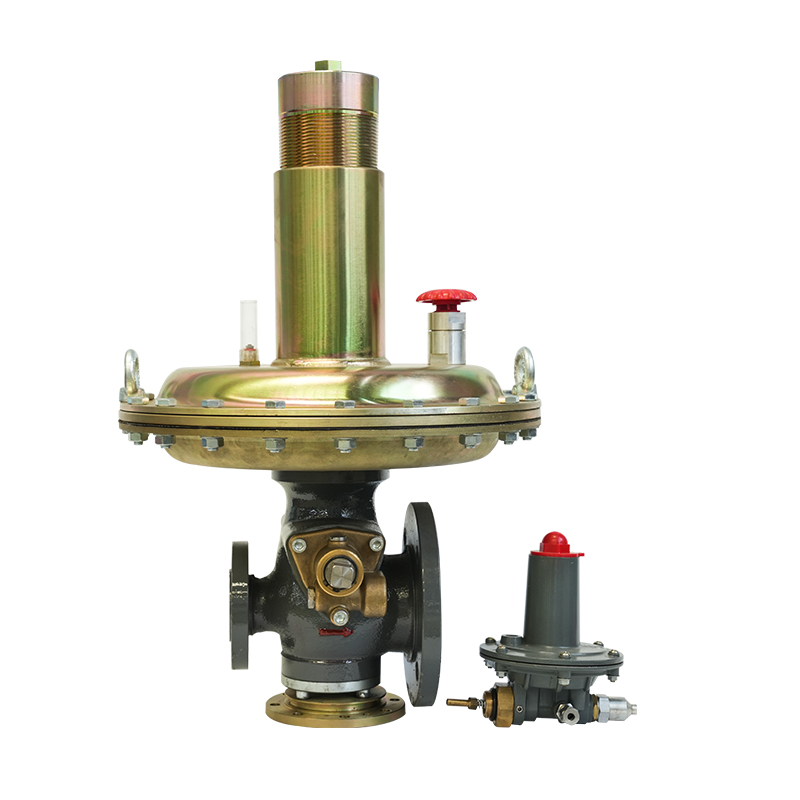
The gas pressure regulator is a key device to maintain the stability of the downstream pressure of the gas pipeline. It automatically changes the gas ...
See Details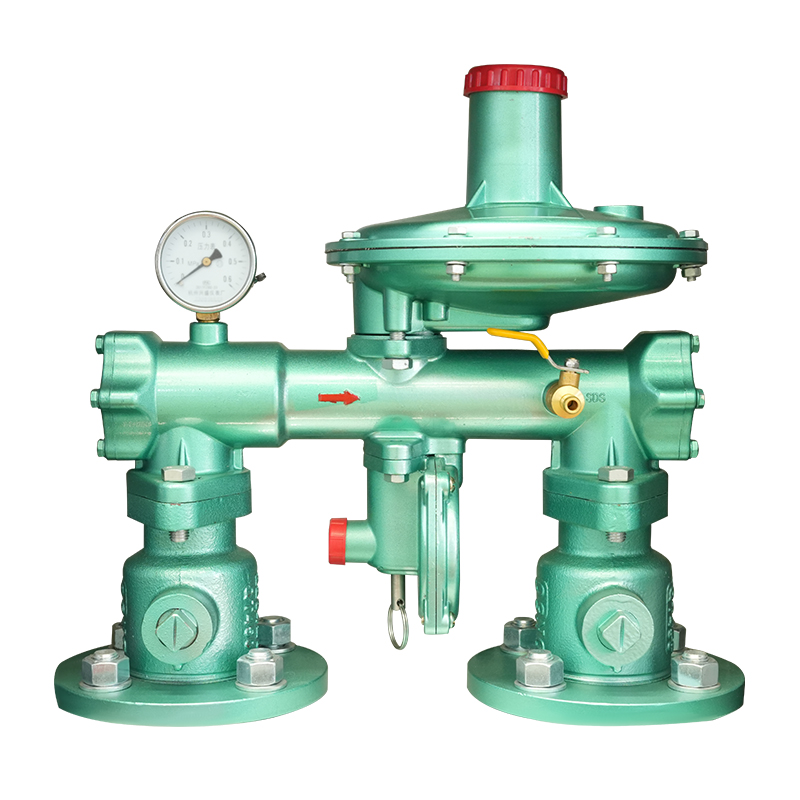
Natural gas pressure regulating box, wall-mounted building pressure regulating box is a key equipment of gas transmission pipeline. Its main function ...
See Details
Natural gas/LPG gas generator is a device specially used to convert natural gas or LPG into electrical energy. The device connects the engine and the ...
See Details
The company is a manufacturer specializing in gas transmission and +distribution equipment and gas pressure regulators. It is a professional manufacturer integrating the research and development, design, manufacturing, marketing and after-sales service of gas equipment.
Phone: +86 138-5131-2088
Tel: +86 0515-83918669
Email: [email protected]
Add: No. 13, Yongchuang Road, Dazhong Industrial Park, Dafeng District, Yancheng City, Jiangsu Province, China
Copyright © Jiangsu Changrun Intelligent Gas Equipment Co., Ltd All Rights Reserved.
Custom Smart Gas Pressure Regulators Manufacturers, Suppliers
 Login
Login
Contact Us