 English
 русский
 Español
 عربى
عربىSafety valve gas control pump accessories pressure regulator
Safety valve gas control pump accessories pressure regulator is a key component in the gas supply system. Its main function is to ensure the stable su...
See Details


Request a Quote
Content
A Gas Pressure Regulating Box reduces high-pressure gas from a supply main down to a safe, steady pressure that appliances and pipework can handle, while also protecting the system from surges, over-pressure events, and fluctuations caused by demand changes. In short, it is the safety and control point between the utility gas main and the building's internal pipework.
Inside the enclosure sits a regulator, isolation valves, a filter, and often a relief or slam-shut safety device. Gas enters at medium or high pressure, passes through the filter to remove debris, then through the regulator diaphragm which senses downstream pressure and adjusts flow to keep output steady. If pressure spikes beyond a set limit, the safety device shuts the line automatically rather than allowing gas to reach appliances at unsafe levels.
Without this stage, a sudden demand drop, such as multiple appliances switching off at once, could send a pressure spike downstream capable of damaging burners, seals, or meters.
Shuts off gas supply before maintenance so the regulator and filter can be serviced without depressurizing the entire main.
Traps scale, dust, and pipe debris before it reaches the regulator diaphragm, extending the working life of internal seals.
The main working part, stepping pressure down from the inlet range to a fixed outlet setpoint, commonly in the 21 to 75 millibar range for residential lines.
Closes the line instantly if pressure exceeds a preset threshold, preventing damage to downstream equipment.
Safely releases excess gas to atmosphere away from the enclosure in the rare event of overpressure.
Protects all components from rain, UV exposure, and physical impact while allowing ventilation to prevent gas buildup.
Sizing depends on peak gas flow demand, not just the number of appliances. Undersizing causes pressure drop during high demand, while oversizing adds unnecessary cost and can make the regulator less responsive to small load changes.
| Application | Typical Peak Flow | Recommended Box Capacity |
| Single family home | 2 to 6 cubic meters per hour | Small domestic unit, up to 10 m3/h |
| Small apartment block, 4 to 10 units | 15 to 40 cubic meters per hour | Medium unit, 25 to 65 m3/h |
| Commercial kitchen | 30 to 80 cubic meters per hour | Medium to large unit, 65 to 160 m3/h |
| Light industrial building | 100 plus cubic meters per hour | Large unit, sized to load study |
A load calculation should always include a safety margin of around 20 percent above measured peak demand, since appliance additions over the building's lifetime are common and replacing an undersized box later is far more disruptive than sizing correctly at installation.
Placement affects both safety and long-term performance. Follow these general rules, though local gas codes always take precedence:
Most gas regulator box failures trace back to skipped inspections rather than defective parts. A consistent maintenance routine catches wear before it causes an outage or safety event.
| Interval | Task |
| Monthly | Visual check for corrosion, blocked vents, or enclosure damage |
| Every 6 months | Check outlet pressure reading against setpoint using a calibrated gauge |
| Annually | Inspect and clean or replace the filter element, test the slam shut device |
| Every 3 to 5 years | Full regulator diaphragm inspection and seal replacement as needed |
Facilities that follow this schedule typically see regulator service life extend well past 15 years, while neglected units often need diaphragm replacement within 5 to 7 years due to debris wear and seal fatigue.
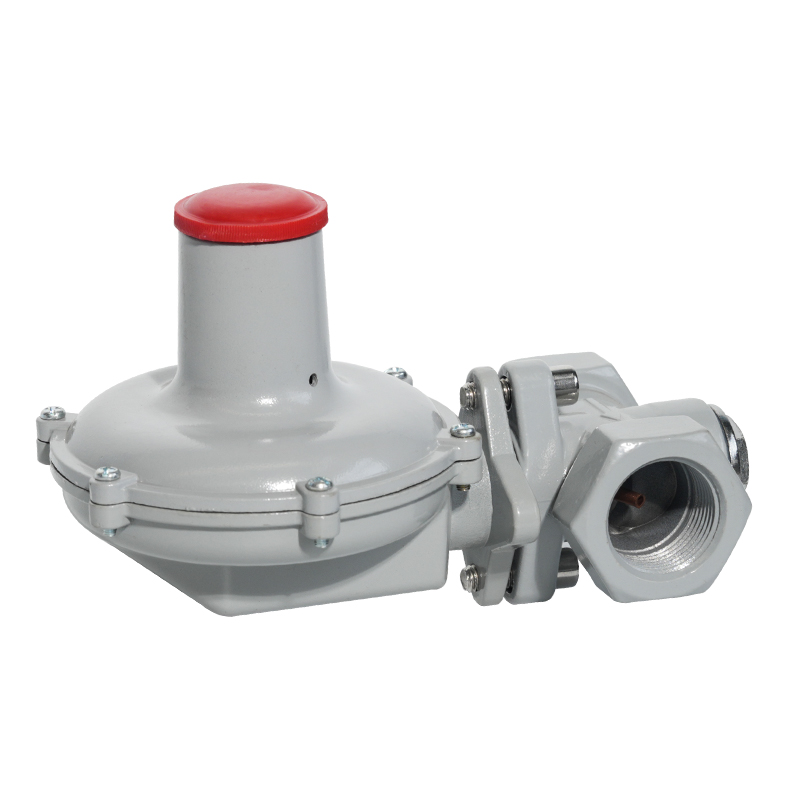
Safety valve gas control pump accessories pressure regulator is a key component in the gas supply system. Its main function is to ensure the stable su...
See Details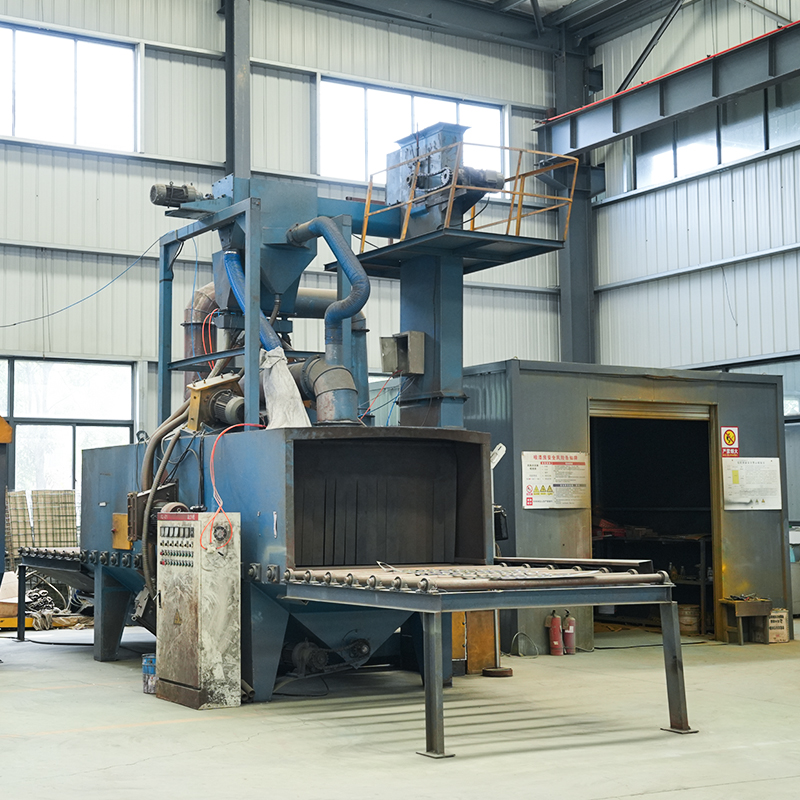
The through-type shot blasting machine is an efficient and automated machine and equipment, which is specially used for continuous through-type descal...
See Details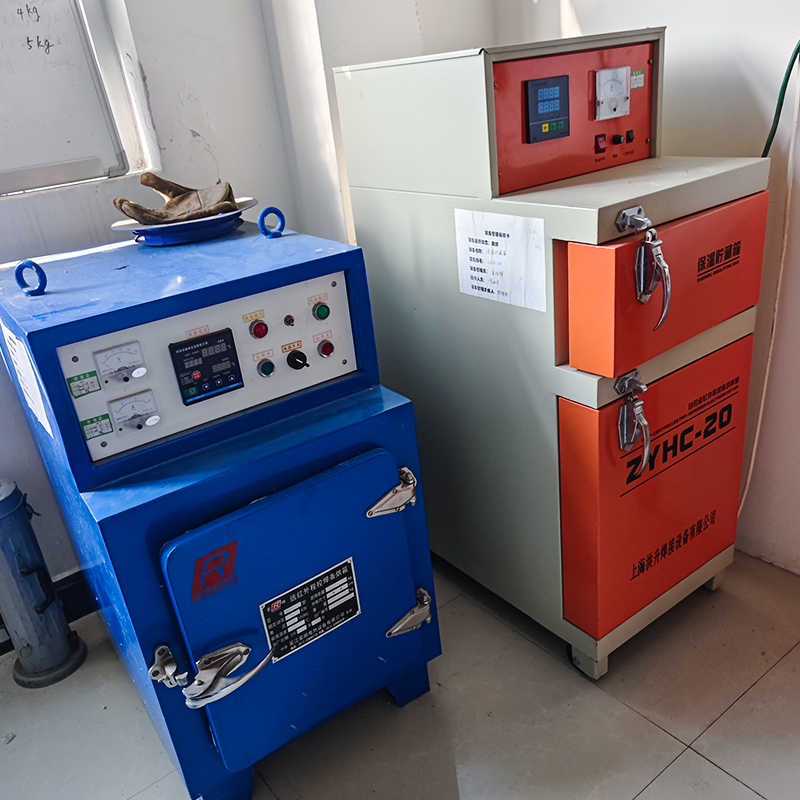
The welding rod baking and insulation box is an important equipment in welding engineering, mainly used for drying and heat preservation of welding ro...
See Details
The company is a manufacturer specializing in gas transmission and +distribution equipment and gas pressure regulators. It is a professional manufacturer integrating the research and development, design, manufacturing, marketing and after-sales service of gas equipment.
Phone: +86 138-5131-2088
Tel: +86 0515-83918669
Email: [email protected]
Add: No. 13, Yongchuang Road, Dazhong Industrial Park, Dafeng District, Yancheng City, Jiangsu Province, China
Copyright © Jiangsu Changrun Intelligent Gas Equipment Co., Ltd All Rights Reserved.
Custom Smart Gas Pressure Regulators Manufacturers, Suppliers
 Login
Login
Contact Us