 English
 русский
 Español
 عربى
عربىNatural gas pressure reducing valve, gas pressure regulator
Industrial LPG pressure regulator, also known as industrial LPG pressure regulator, is divided into high pressure and low pressure. This pressure regu...
See Details


Request a Quote
Content
A Gas Pressure Regulator is a critical valve that automatically cuts off the flow of a liquid or gas at a certain pressure. Its primary function is to reduce high-pressure input from a supply source to a safe, usable output pressure for end-user applications. This device uses a balance of forces involving a loading element (spring or weight), a sensing element (diaphragm), and a restricting element (valve seat). Engineers rely on these regulators to maintain process stability, as fluctuations in inlet pressure or flow demand can lead to equipment failure or safety hazards. The regulator constantly adjusts the valve opening to maintain the set downstream pressure regardless of changes in the upstream flow rate.
Selecting the right regulator requires understanding the specific demands of the application environment. Different systems require different pressure ratings, flow capacities, and materials of construction.
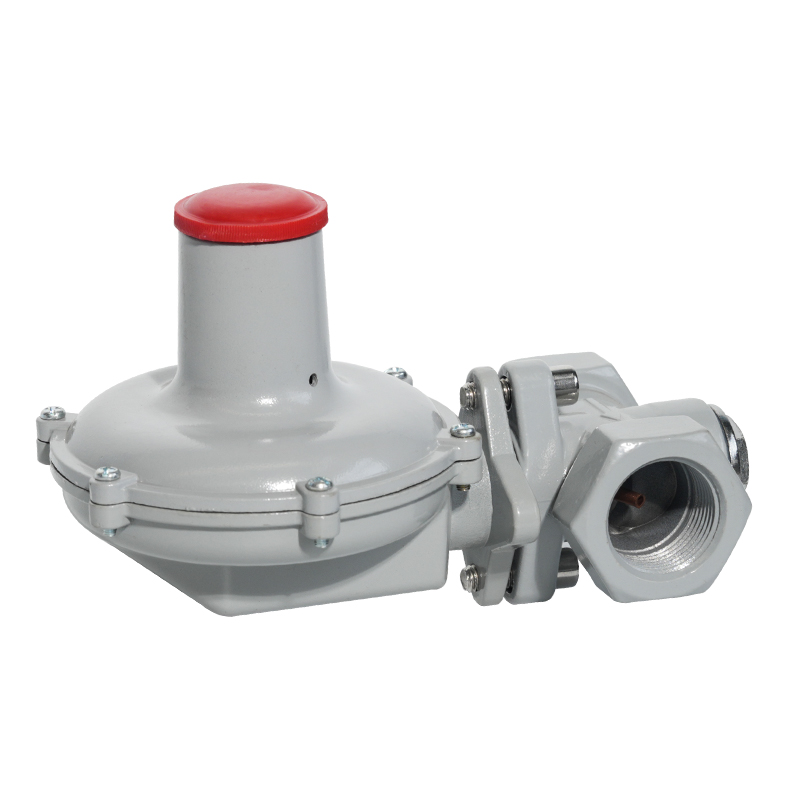
Residential gas supply systems operate at very low pressures compared to transmission lines. A natural gas pressure regulator for home use is designed to reduce the pressure from the street main to a level suitable for household appliances like furnaces, stoves, and water heaters. These regulators prioritize safety and silence. They typically operate at pressures below 2 psi (pounds per square inch). The design focuses on tight lock-up capability, meaning the valve closes completely when gas flow stops to prevent dangerous pressure buildup in the home.
Propane systems present unique challenges because the fuel is stored as a liquid under high pressure. A propane gas pressure regulator must handle varying vapor pressures caused by temperature changes. In cold climates, the vapor pressure of propane drops, requiring a regulator with high sensitivity to maintain consistent flow. These devices often feature distinct connection types, such as POL (Prest-O-Lite) or ACME threads, to ensure compatibility with storage cylinders. For larger tanks, two-stage regulation is often recommended to handle the high inlet pressure effectively.
Industrial applications often require significant pressure drops from high-pressure storage or pipelines. A high pressure gas regulator is engineered to withstand inlet pressures that can exceed 3000 psi. These robust units are typically used in power generation plants, chemical processing facilities, and heavy manufacturing. The internal components are made from hardened stainless steel or specialized alloys to resist erosion and corrosion caused by high-velocity gas flows. Safety features such as internal relief valves are standard to protect downstream equipment from over-pressurization events.
| Feature | Residential Regulator | High Pressure Industrial Regulator |
| Inlet Pressure Range | Low (up to 5 psi typical) | High (up to 3000+ psi) |
| Primary Application | Home appliances | Power plants, Industrial furnaces |
| Material Construction | Aluminum or Cast Iron | Forged Brass or Stainless Steel |
| Safety Mechanism | Lock-up valve | Internal relief valve, Slam shut |
The choice between single-stage and two-stage regulation affects the stability of the delivery pressure. A single-stage regulator reduces the pressure in one step. While cost-effective, it can suffer from "supply pressure effect," where the outlet pressure rises as the cylinder pressure drops. A dual stage gas regulator solves this problem by incorporating two regulators in one body. The first stage reduces the cylinder pressure to an intermediate pressure, and the second stage reduces it to the final delivery pressure. This design maintains a constant outlet pressure even as the inlet pressure varies significantly.
| Characteristic | Single Stage Regulator | Dual Stage Gas Regulator |
| Pressure Stability | Variable with inlet pressure | Highly constant outlet pressure |
| Complexity | Simple design, fewer parts | Complex internal architecture |
| Best Application | General use where precision is not critical | Precision instrumentation, laboratory use |
In research and development or specialized industrial processes, fixed-pressure regulators are insufficient. An adjustable gas pressure regulator allows the operator to modify the set outlet pressure manually. This is achieved through a hand knob or screw that compresses the loading spring. These regulators often feature detailed pressure gauges to monitor both inlet and outlet parameters. Engineers value these models for their versatility, as one unit can serve multiple purposes within a facility. However, they require strict operational protocols to prevent accidental over-pressurization of downstream equipment.
The reliability of a gas system depends entirely on the quality of its components. Jiangsu Changrun Intelligent Gas Equipment Co., Ltd. is a professional manufacturer engaged in the production of gas transmission and distribution equipment and gas pressure regulators. It is a professional manufacturer integrating the research and development, design, manufacturing, marketing and after-sales service of gas equipment. The company covers an area of 10,000 square meters, with a registered capital of 50 million yuan, assets of 200 million yuan, an annual production of more than 10,000 units, and sales revenue of more than 100 million yuan.
The company has 9 departments including technical department, product development department, process department, production department, supply department, quality inspection department, marketing department, and 5 large processing workshops. It has more than 30 employees, of which technical personnel account for 56% of the total number. The leading products are: LNG gasification skid, gasifier, pressure reducing skid, LNG filling station, LNG gasification equipment, A high, medium and low pressure gas pressure regulator (box), gas pressure regulating metering station (box), city gate station, CNG pressure regulating station, safety shut-off valve, relief valve. B filter, filter separator, cyclone, cyclone separator, steam-water separator and other gas pretreatment equipment. C city gas control remote transmission SCADA system.
The company always adheres to the principle of "survive by quality and develop by technology", guided by the quality policy of "quality first, customer first, honest service, continuous improvement", actively adopts modern management mode, and aims at customer satisfaction. It has established and improved the management responsibility, resource management, measurement, analysis and improvement quality management system of the whole process of product realization, and established and improved eight control procedures such as document control, quality record control, procurement control, non-conformity control, and management review control.
Selecting the correct Gas Pressure Regulator is vital for the safety and efficiency of any gas distribution system. Whether the requirement is for a residential heating system or a high-flow industrial plant, understanding the mechanics of single versus dual-stage designs and adjustability features ensures optimal performance. By partnering with experienced manufacturers like Jiangsu Changrun, businesses secure equipment that meets rigorous international standards and operational demands.
If a regulator fails, it can lead to two dangerous scenarios. It may restrict flow completely, starving the equipment of fuel, or it may allow full inlet pressure to reach the downstream appliances. The latter is extremely dangerous and can cause equipment rupture or explosions, which is why safety relief valves are essential.
Manufacturers generally recommend inspecting a natural gas pressure regulator for home use every 3 to 5 years. The rubber diaphragm inside can degrade over time due to wear and environmental exposure. Replacement intervals depend on the local gas quality and environmental conditions.
No, you cannot interchange them directly. A propane gas pressure regulator is designed for higher supply pressures and different flow characteristics than natural gas. Using the wrong regulator can result in improper combustion or safety hazards.
Freezing occurs due to the Joule-Thomson effect. As gas expands from high pressure to low pressure inside the high pressure gas regulator, it absorbs heat energy. If the flow rate is high or the ambient temperature is low, the moisture in the gas or air can freeze, potentially blocking the flow.
A dual stage gas regulator provides a constant outlet pressure regardless of fluctuations in the inlet pressure. This is crucial for applications like laboratory analysis or precision welding, where even small pressure changes can affect the quality of the result.
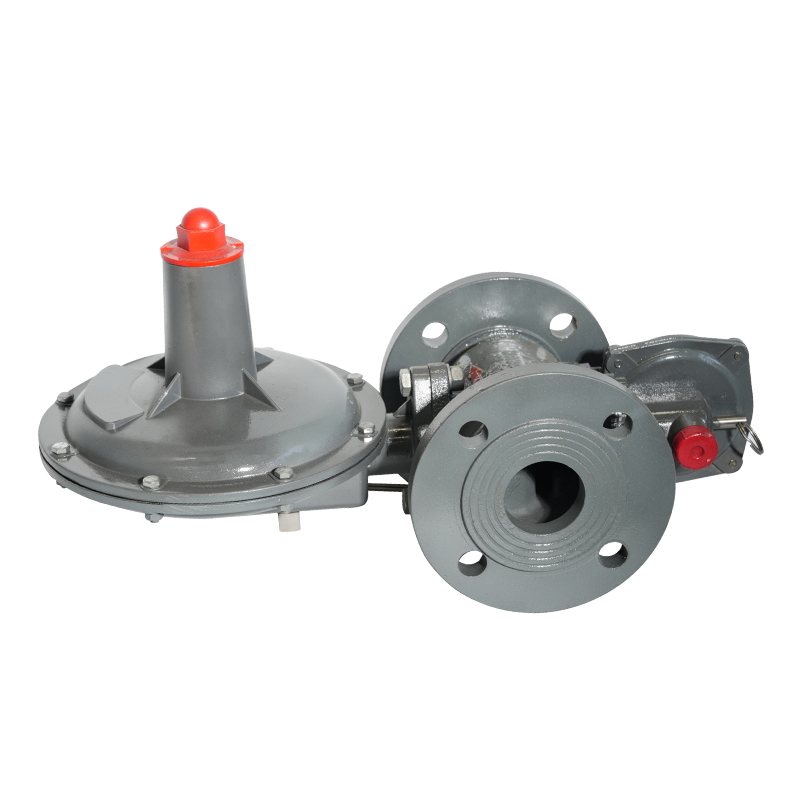
Industrial LPG pressure regulator, also known as industrial LPG pressure regulator, is divided into high pressure and low pressure. This pressure regu...
See Details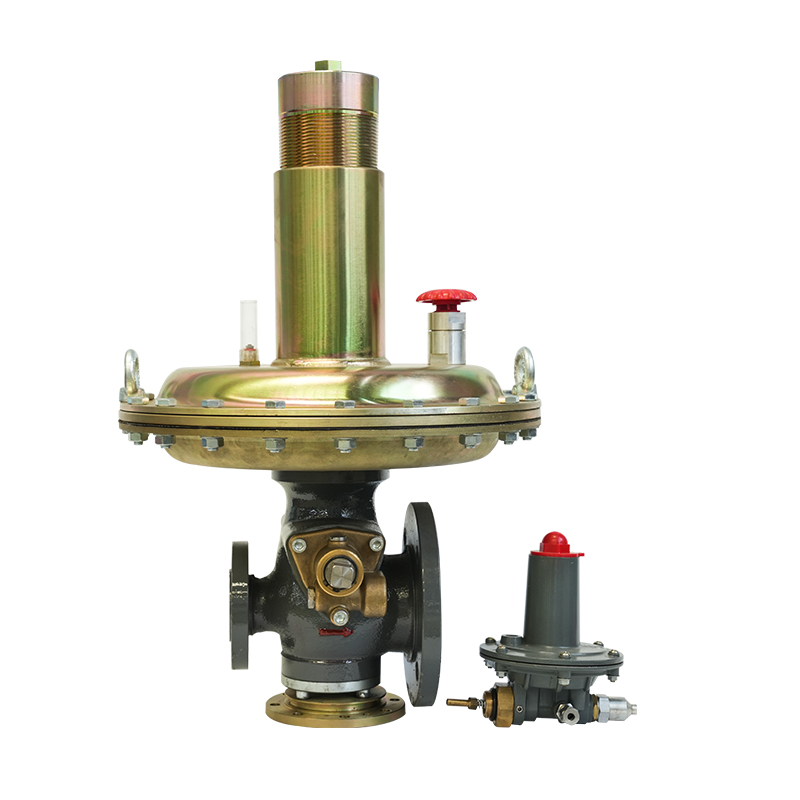
The gas pressure regulator is a key device to maintain the stability of the downstream pressure of the gas pipeline. It automatically changes the gas ...
See Details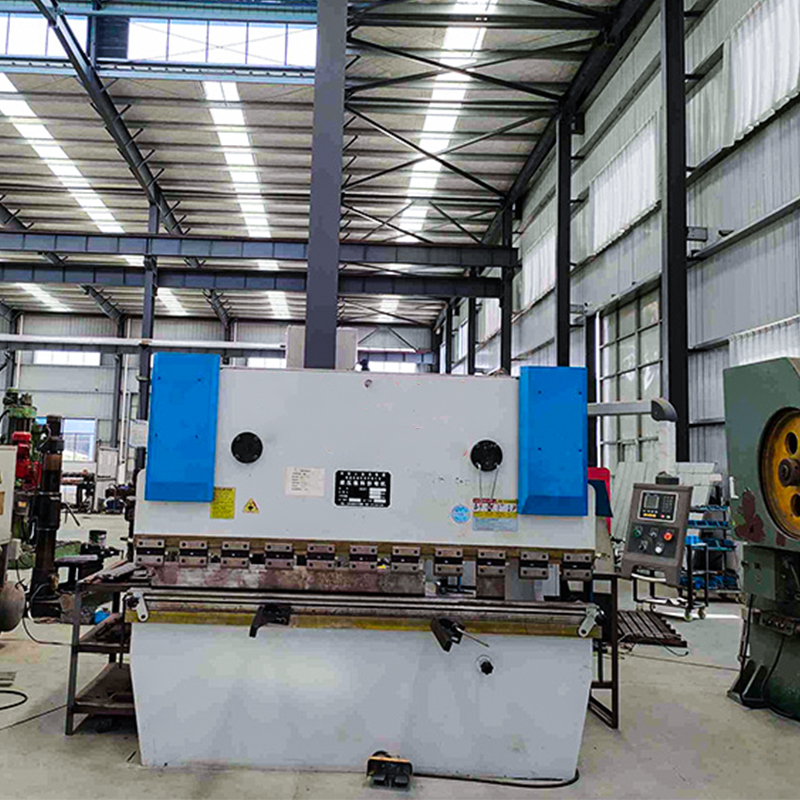
Natural gas/LPG gas generator is a device specially used to convert natural gas or LPG into electrical energy. The device connects the engine and the ...
See Details
The company is a manufacturer specializing in gas transmission and +distribution equipment and gas pressure regulators. It is a professional manufacturer integrating the research and development, design, manufacturing, marketing and after-sales service of gas equipment.
Phone: +86 138-5131-2088
Tel: +86 0515-83918669
Email: [email protected]
Add: No. 13, Yongchuang Road, Dazhong Industrial Park, Dafeng District, Yancheng City, Jiangsu Province, China
Copyright © Jiangsu Changrun Intelligent Gas Equipment Co., Ltd All Rights Reserved.
Custom Smart Gas Pressure Regulators Manufacturers, Suppliers
 Login
Login
Contact Us