 English
 русский
 Español
 عربى
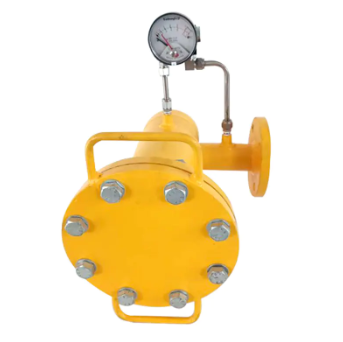
عربىIndustrial gas pressure regulator, pressure reducing valve, regulator
Industrial gas pressure regulating valve pressure reducing valve, pressure stabilizer is a device used to regulate and stabilize gas pressure. It can ...
See Details


Request a Quote
Content
In industrial, commercial, and residential applications, the reliability of a gas system depends entirely on the quality and compatibility of its components. Gas parts encompass a wide range of equipment, from simple thermocouples to complex pressure regulation skids. For engineers, facility managers, and procurement specialists, understanding the function, failure modes, and specifications of these parts is essential for safety, efficiency, and regulatory compliance. This article provides a technical deep dive into critical gas components, their applications, and selection criteria.
When a gas appliance malfunctions, the first step is always safety: verify that there are no gas leaks and that the area is properly ventilated. After safety is confirmed, the diagnosis typically focuses on the ignition source, gas flow, and safety shutoff devices. Many common failures are traced back to a few specific gas parts that are subject to wear and tear.
Finding the correct gas grill replacement parts list is a common challenge for maintenance technicians and homeowners. The first step is to locate the grill's model number, usually found on a rating plate inside the cabinet or on the back of the grill. This number is essential because parts like venturi tubes, burner assemblies, and control knobs are often specific to a particular design. A typical replacement parts list will categorize components into several groups: the burner system (burners, heat plates), the ignition system (electrodes, igniter modules, wiring), the gas flow system (hoses, regulators, manifolds), and the structure (grates, handles, hinges). Engineers should pay close attention to the orifice size listed for the burner jets. This orifice diameter is precisely calibrated for the type of gas (natural gas or propane) and the BTU rating of the burner. Using a part with the wrong orifice size leads to incomplete combustion, sooting, or dangerous flare-ups.
The thermocouple is a critical safety device in many gas fireplaces and standing pilot appliances. Its function is to generate a small millivolt electrical current when heated by the pilot flame. This current holds the main gas valve open. If the pilot flame goes out, the thermocouple cools, the current stops, and the valve closes, stopping the gas flow. Gas fireplace thermocouple replacement is a frequent maintenance task because the thermocouple is directly exposed to the pilot flame and undergoes constant thermal cycling. Over time, this can cause the metal to oxidize, weaken, or develop a hot spot that reduces the voltage output. Common failure signs include the pilot light staying lit but the main burner not igniting, or the pilot light going out as soon as you release the control knob. When replacing a thermocouple, it is critical to match the millivolt rating (typically 30mV) and the thread size (usually 3/8" or 1/4") of the original part. The position of the thermocouple tip within the pilot flame is also crucial; it must be correctly aligned to be heated properly.
Commercial kitchens and recreational vehicles (RVs) present unique challenges for gas equipment. High usage rates in commercial settings lead to accelerated wear, while the mobile nature of RVs subjects components to vibration and road exposure.
In a busy commercial kitchen, commercial gas stove burner parts are subjected to extreme conditions: high heat, frequent on-off cycling, and constant cleaning with harsh chemicals. The components that wear out most frequently are the burner caps and burner heads. These parts are often made of cast iron or heavy-gauge steel and are exposed directly to the flame. Over time, they can warp, crack, or become clogged with food debris and carbon deposits. This leads to uneven flame distribution, yellow tipping (indicating incomplete combustion), and reduced heat output. Another common failure point is the spark electrode. The ceramic insulator around the electrode can crack due to thermal shock, causing the spark to ground out against the stove body rather than jumping to the burner to ignite the gas. A systematic maintenance schedule should include periodic removal and cleaning of burner components, inspection of electrode gaps, and verification of gas valve orifice sizes.
| Component | Primary Failure Mode | Typical Cause | Inspection Criteria |
|---|---|---|---|
| Burner Cap/Head | Warping, cracking, clogging | Thermal stress, debris buildup | Visual cracks; flame pattern irregularity |
| Spark Electrode | Ceramic insulator crack | Thermal shock, physical impact | Spark jumping to wrong location; no spark |
| Gas Valve Orifice | Corrosion, physical blockage | Moisture, debris in gas line | Reduced gas flow; yellow flame |
| Venturi Tube | Spider webs or grease blockage | Insect infestation, lack of cleaning | Poor flame; flashback into tube |
RV gas water heaters are compact, self-contained units that must operate safely despite movement and outdoor exposure. The most critical RV gas water heater components from a safety perspective are those in the combustion and exhaust system. The burner assembly and the flue baffle must be clean and unobstructed to ensure complete combustion and proper venting of carbon monoxide. The thermocouple or thermopile serves the same safety function as in a fireplace, shutting off the gas if the pilot is extinguished. However, RVs add another layer of safety: a pressure and temperature relief valve (P&T valve) on the water tank itself. This valve is designed to open if the water temperature or pressure exceeds safe limits, preventing a tank rupture. Another unique component is the exterior access panel seal. If this seal fails, road drafts can extinguish the pilot light, or, more dangerously, exhaust gases could be blown back into the RV's interior living space. Annual inspection of these seals and the combustion chamber is recommended by safety organizations.
A pool heater's pool heater gas valve assembly is a sophisticated electromechanical device that controls the flow of gas to the main burner. It typically contains multiple redundant safety solenoids and a diaphragm that is operated by either a millivolt signal or a 24-volt circuit from the thermostat. When a pool heater fails to fire, the gas valve assembly is often a suspect. Common issues include a failed solenoid coil (which can be checked with an ohmmeter for continuity), a blocked or stuck diaphragm due to debris in the gas line, or a faulty pressure regulator integrated into the valve body. Before condemning the valve, technicians should verify that they are receiving the correct voltage signal from the control board or thermostat. If voltage is present at the valve terminals but the valve does not open, the valve assembly may be mechanically stuck or have a failed internal component. Due to the safety-critical nature of this part, replacement with an identical OEM-specified assembly is always recommended over attempted repair of the internal components.
For large-scale infrastructure projects, such as city gate stations or industrial gas pipelines, the complexity and safety requirements increase dramatically. Jiangsu Changrun Intelligent Gas Equipment Co., Ltd. is a professional manufacturer engaged in the production of gas transmission and distribution equipment and gas pressure regulators. The company integrates research and development, design, manufacturing, marketing, and after-sales service for gas equipment. Covering an area of 10,000 square meters, it operates with a registered capital of 50 million RMB, total assets of 200 million RMB, and achieves an annual production of more than 10,000 units. The company employs a team of high-quality technical and management talents, utilizing advanced design technology and methods, including AutoCAD computer-aided design and advanced CNC processing equipment for fine manufacturing. This ensures that each product is optimized from the design phase through to production, with quality meeting or exceeding national and international standards. The leading products include LNG gasification skids, vaporizers, pressure reducing skids, LNG filling stations, high/medium/low pressure gas pressure regulators (boxes), gas pressure regulating metering stations (boxes), city gate stations, CNG pressure regulating stations, safety shut-off valves, and relief valves. They also produce a full range of filtration equipment such as filters, filter separators, cyclones, and steam-water separators for gas pretreatment, as well as city gas control remote transmission SCADA systems. With technical personnel accounting for 56% of its workforce, the company adheres to the principle of "survive by quality, develop by technology." It has established and refined quality management systems covering the entire process of product realization, including eight control procedures for document control, quality records, procurement, and non-conformity control.
Ensuring the reliable and safe operation of any gas system requires a combination of correct part selection, regular inspection, and timely replacement of worn components. For appliances, this means knowing how to use a gas grill replacement parts list and understanding why a gas fireplace thermocouple replacement is necessary. In commercial and mobile environments, familiarity with commercial gas stove burner parts and RV gas water heater components is key to preventing downtime and hazards. For large-scale distribution, precision-engineered equipment like a pool heater gas valve assembly or a full pressure regulation skid must meet stringent design and manufacturing standards. By sourcing gas parts from manufacturers with proven engineering capabilities and quality systems, and by following established maintenance protocols, engineers can ensure system integrity for years to come.
There is no set calendar interval for thermocouple replacement. It should be replaced when it shows signs of failure, such as the pilot light not staying lit. However, if you have an older fireplace (10+ years) and are performing other maintenance, proactive replacement is a good practice to avoid unexpected failures during the heating season.
Universal parts lists can be a starting point, but they are not reliable for all brands. Critical components like valves, orifices, and manifolds are often brand- and model-specific due to different gas flow rates and safety certifications. Always verify the OEM part number against your model's manual before purchasing a universal replacement.
A thermocouple is a single-junction device that generates a small millivolt current to hold a safety valve open. A thermopile is a collection of multiple thermocouples bundled together. It generates a higher millivolt output, sufficient to power both the safety valve and the main gas control circuit in some appliances, eliminating the need for external electricity.
A clicking sound typically indicates that the igniter is sparking, or that a relay on the control board is trying to engage. If you hear clicking but no gas flows, first check that you have gas supply to the heater. If gas is present, the valve assembly may not be receiving the correct voltage signal, or the internal solenoid may be stuck or burned out. This requires testing with a multimeter by a qualified technician.
In North America, look for parts certified by CSA (Canadian Standards Association) or UL (Underwriters Laboratories). In Europe, the CE mark is mandatory. These certifications indicate that the part has been tested and meets safety standards for material integrity, gas compatibility, and performance. Using non-certified parts can void equipment warranties and is often a violation of local safety codes.
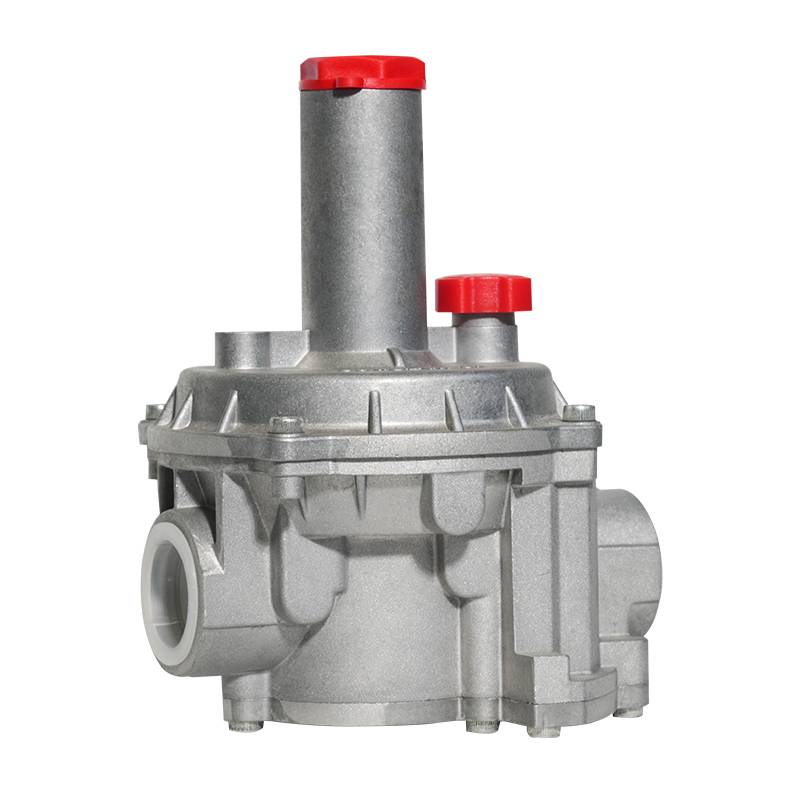
Industrial gas pressure regulating valve pressure reducing valve, pressure stabilizer is a device used to regulate and stabilize gas pressure. It can ...
See Details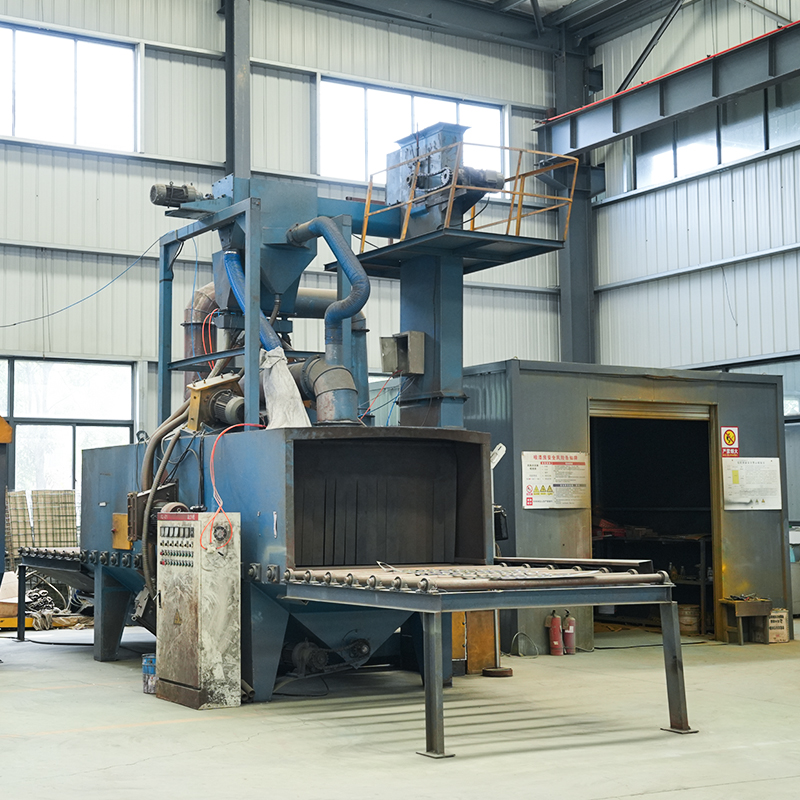
The through-type shot blasting machine is an efficient and automated machine and equipment, which is specially used for continuous through-type descal...
See Details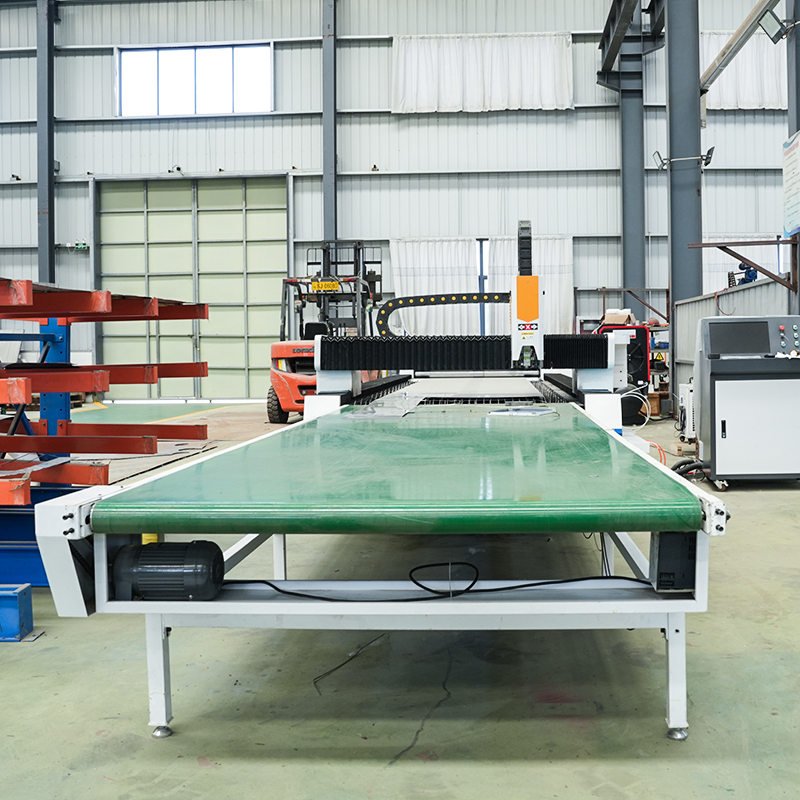
The leveling laser cutting machine is an advanced device that combines the leveling and laser cutting functions. It uses a high-precision laser beam f...
See Details
The company is a manufacturer specializing in gas transmission and +distribution equipment and gas pressure regulators. It is a professional manufacturer integrating the research and development, design, manufacturing, marketing and after-sales service of gas equipment.
Phone: +86 138-5131-2088
Tel: +86 0515-83918669
Email: [email protected]
Add: No. 13, Yongchuang Road, Dazhong Industrial Park, Dafeng District, Yancheng City, Jiangsu Province, China
Copyright © Jiangsu Changrun Intelligent Gas Equipment Co., Ltd All Rights Reserved.
Custom Smart Gas Pressure Regulators Manufacturers, Suppliers
 Login
Login
Contact Us