 English
 русский
 Español
 عربى
عربىHigh pressure regulating valve, gas pressure regulating valve, pressure regulator
Safety valve gas control pump accessories pressure regulator is an indispensable key component in the gas system. As a protective device, the safety v...
See Details


Request a Quote
Content
In the complex infrastructure of modern energy distribution, the safe and efficient transport of gas is paramount. A Gas Pressure Regulator serves as the critical control element in this system, acting as a valve that automatically cuts off the flow of a liquid or gas at a certain pressure. The primary function of this device is to match the flow of gas through the regulator to the demand for gas placed upon it, while maintaining a constant output pressure. If the load flow decreases, the regulator flow must decrease as well; if the load flow increases, the regulator flow must increase to maintain the set pressure. This dynamic balancing act is essential in both residential and industrial settings to prevent equipment failure, ensure safety, and optimize combustion efficiency. From the massive pipelines feeding a city to the simple line connecting a backyard grill, the physics and engineering behind these regulators are fundamental to the reliability of gas systems worldwide.
The Gas Pressure Regulator is a mechanical device that operates without external power, relying instead on the pressure of the controlled gas to function. It typically consists of three primary operating elements: a loading mechanism, a sensing element, and a control element. The loading mechanism, which can be a spring or a weight, determines the setpoint of the outlet pressure. The sensing element, usually a diaphragm, senses changes in the outlet pressure and converts them into mechanical force. The control element, often a valve, modulates the flow of gas to maintain the desired pressure. When the downstream pressure drops below the setpoint, the diaphragm moves against the spring force, opening the valve to allow more gas through. Conversely, if the pressure rises above the setpoint, the diaphragm moves to close the valve, restricting the flow. This continuous cycle ensures a stable supply of gas regardless of fluctuations in the supply side or demand side of the system.
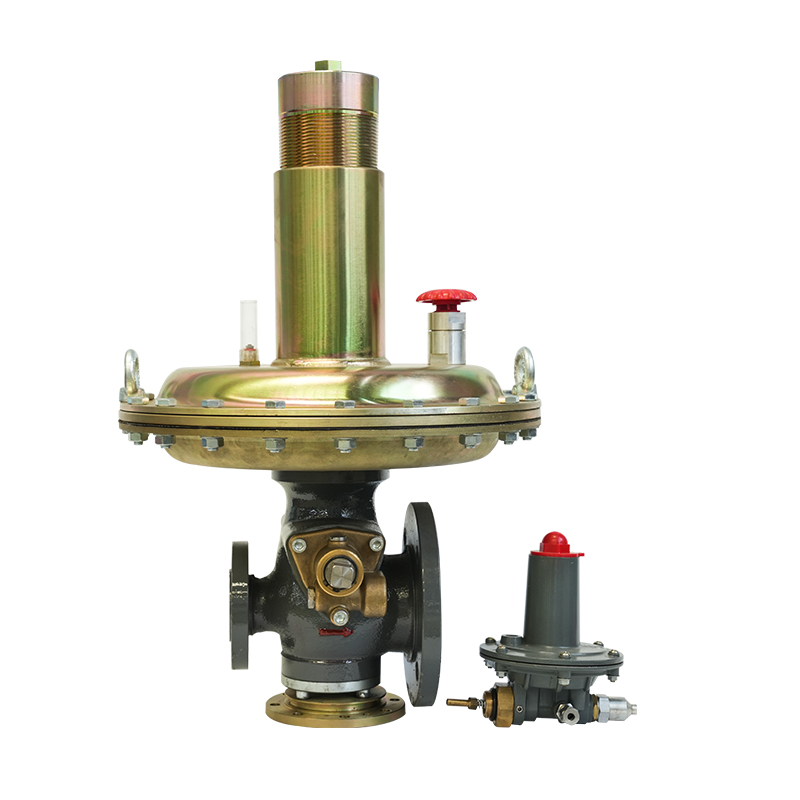
The role of a Gas Pressure Regulator extends beyond mere pressure reduction; it is a safety device that protects downstream equipment from overpressure conditions, which could lead to explosions or catastrophic failure. In industrial applications, precise pressure regulation is crucial for process control, ensuring that burners operate efficiently and chemical reactions proceed as intended. A high-quality regulator also helps mitigate the effects of supply pressure variations, known as the "droop" effect, ensuring that the delivered pressure remains stable even as the flow rate changes. By maintaining consistent pressure, regulators improve the quality of manufacturing processes, reduce waste, and extend the lifespan of gas-powered appliances and machinery.
The internal architecture of a Gas Pressure Regulator is designed for durability and precision. The interaction between the sensing element and the loading mechanism must be frictionless to ensure sensitivity to minute pressure changes.
| Component | Function | Material Consideration | |
| Diaphragm | Spring | Valve Seat | Body |
An adjustable gas pressure regulator offers the flexibility to modify the outlet pressure according to specific operational requirements. Unlike fixed-pressure regulators that are factory-set, adjustable models allow field technicians or operators to fine-tune the pressure to suit varying downstream demands. This adjustability is vital in environments where the gas-using equipment requires different operating pressures at different times, or where the supply pressure fluctuates significantly. Industries such as metal fabrication, where different torches require different pressures, or commercial kitchens with varied appliance loads, rely heavily on these adjustable units. By allowing for on-site calibration, these regulators ensure that the system can adapt to changes in process conditions without the need for component replacement.
In industrial environments, the adjustable gas pressure regulator is a workhorse. It allows for the optimization of combustion processes, ensuring that the air-to-fuel ratio is precise. This not only maximizes energy efficiency but also minimizes the emission of pollutants. For instance, in a large manufacturing plant with multiple lines operating independently, adjustable regulators enable the centralization of gas distribution while allowing localized pressure control. This capability reduces the complexity of piping systems and provides operators with the control needed to maintain production quality and safety standards across diverse applications.
The primary advantage of an adjustable gas pressure regulator is the ability to tailor the output pressure to the specific needs of the application, ensuring optimal performance.
| Feature | Fixed Regulator | Adjustable Regulator | |
| Setpoint | Versatility | Cost | Complexity |
A high pressure gas regulator is engineered to handle inlet pressures significantly higher than standard regulators, often exceeding 1000 psi. These devices are critical in gas transmission pipelines, filling stations, and industrial processes where gas is stored or transported at high densities to maximize volume efficiency. The design of a high-pressure regulator requires robust construction materials, often forged steel or high-grade alloys, to withstand the extreme mechanical stresses. Furthermore, they incorporate advanced safety features such as pressure relief vents and slam-shut valves to protect the system in the event of a failure. Managing high pressure also involves managing the temperature drop that occurs as the gas expands (Joule-Thomson effect), necessitating thermal management to prevent freezing.
When dealing with a high pressure gas regulator, the reduction ratio—the difference between inlet and outlet pressure—is a critical factor. Large reduction ratios can cause instability and noise. To mitigate this, some high-pressure regulators utilize two-stage reduction within a single unit or employ pilot-operated designs. These designs use a smaller pilot regulator to control the main valve, providing stable regulation even with fluctuating high inlet pressures. This ensures that downstream equipment receives a steady, reliable flow regardless of the extreme pressures entering the regulator, thereby maintaining safety and operational integrity in demanding environments like city gate stations and power plants.
Safety is the paramount concern when selecting a high pressure gas regulator. Strict adherence to international standards such as ASME or API is mandatory to ensure the device can handle the potential energy involved.
| Standard | Application | Key Requirement | |
| ASME Section VIII | API 6D | EN 334Gas Regulators | ISO 10497 |
A two stage gas regulator is designed to achieve superior pressure stability compared to a single-stage regulator. It reduces the inlet pressure to an intermediate pressure in the first stage and then reduces it to the desired working pressure in the second stage. This two-step process ensures that the final outlet pressure remains virtually constant, regardless of fluctuations in the inlet pressure. Single-stage regulators can suffer from "droop," where the outlet pressure decreases as the flow rate increases. By decoupling the inlet pressure variation from the final outlet stage, a two stage gas regulator provides a steady supply even when the tank or pipeline pressure drops significantly. This makes them ideal for applications requiring precise control, such as laboratory gas delivery or sensitive industrial instrumentation.
The choice between a single-stage and a two stage gas regulator depends on the application's tolerance for pressure variation. In applications where the flow rate is relatively constant, a single-stage regulator may suffice. However, in applications where flow rates vary widely or where the inlet pressure declines significantly over time (as in a cylinder being depleted), a two-stage regulator is essential. The complexity of the two-stage unit, which contains two separate diaphragms and valve seats, is justified by the performance benefit. Some designs combine both stages into a single compact body, while others use two separate regulators connected in series, known as "piggyback" configurations, to achieve the same effect.
The primary advantage of a two stage gas regulator is the elimination of supply pressure effect. This ensures that the end-use equipment receives gas at a constant pressure.
| Feature | Single Stage | Two Stage | |
| Outlet Stability | Complexity | Cost | Size |
A propane gas pressure regulator is specifically engineered to handle the unique properties of propane, also known as LPG (Liquefied Petroleum Gas). Propane is stored as a liquid under pressure and vaporizes into a gas before use. This phase change causes the temperature of the regulator to drop significantly, which can lead to freezing if not properly managed. Propane regulators are therefore designed with larger surface areas to absorb ambient heat and may incorporate venturi mechanisms to prevent freeze-ups. They are ubiquitous in residential heating, agricultural applications, and recreational vehicles. Ensuring the correct pressure is vital because appliances designed for propane are calibrated for a specific water column pressure (WCP), and deviation can lead to inefficient combustion or carbon monoxide production.
In residential settings, the propane gas pressure regulator is the heart of the home heating system. It connects to the propane tank and reduces the high tank pressure (often over 100 psi) to a low pressure suitable for furnaces, water heaters, and stoves (usually 11 inches of water column). In commercial settings, such as restaurants or agricultural drying operations, high-capacity propane regulators are required to manage the substantial flow rates demanded by large burners. These regulators must be robust, reliable, and often integrate over-pressure protection to safeguard the facility against regulator failure, which could lead to dangerous gas leaks.
While similar in function, a propane gas pressure regulator differs from natural gas regulators in several key aspects due to the higher pressure and different chemical properties of propane.
| Characteristic | Propane Regulator | Natural Gas Regulator | |
| Inlet Pressure | Temperature Effect | Odorization | Service Life |
The term gas pressure reducing valve is often used interchangeably with gas regulator, though in industrial contexts, it may refer to a valve designed for precise control in process systems rather than just simple pressure reduction. These valves are critical components in larger skid-mounted systems, such as pressure reducing skids. They are often pilot-operated and can handle very large volumes of gas. The gas pressure reducing valve must respond quickly to changes in system demand, ensuring that the pressure never exceeds safe limits. In high-pressure transmission and distribution networks, these valves are controlled by sophisticated telemetry systems to manage the flow of gas across cities or industrial complexes efficiently.
The internal mechanics of a gas pressure reducing valve are focused on flow dynamics. Unlike smaller regulators, these valves often feature a balanced valve plug design, which allows them to operate at high pressure differentials without the unbalanced forces affecting the setpoint. This balance is achieved by exposing the upstream side of the plug to downstream pressure through an internal passage. This design ensures that the actuator does not need to be excessively large to overcome the force of the high inlet pressure, resulting in a more compact and responsive valve capable of handling high flow rates with precision.
Given the demanding environments in which a gas pressure reducing valve operates, maintenance is a critical consideration. Regular inspection of the seat, diaphragm, and internal trim is necessary to prevent leaks.
| Maintenance Task | Frequency | Purpose | |
| Bonnet Removal | Seat Grinding | Filter Change | Leak Testing |
Jiangsu Changrun Intelligent Gas Equipment Co., Ltd. is a professional manufacturer deeply engaged in the production of gas transmission and distribution equipment. As a comprehensive entity integrating research and development, design, manufacturing, marketing, and after-sales service, the company stands as a pillar of the gas equipment industry. Located on a facility spanning 10,000 square meters with a registered capital of 50 million yuan, the company boasts assets of 200 million yuan and an impressive annual production capacity of more than 10,000 units. With sales revenue exceeding 100 million yuan, Jiangsu Changrun has cemented its position in the market. The company employs a team of high-quality technical and management talents, with technical personnel accounting for 56% of the total staff. They adopt advanced design technology and methods, utilizing AutoCAD computer-aided design and advanced CNC processing equipment for fine processing, ensuring that every Gas Pressure Regulator and other products are optimized from design to production.
The operational excellence of Jiangsu Changrun is driven by its sophisticated structure. The company is organized into 9 departments, including a specialized technical department, product development department, process department, production department, and quality inspection department. This structure supports 5 large processing workshops where innovation meets production. By strictly adhering to the principle of "survive by quality and develop by technology," the company ensures that product quality meets or exceeds national and international standards. The quality policy of "quality first, customer first, honest service, continuous improvement" guides every step of the process, from the creation of an adjustable gas pressure regulator to the final assembly of a pressure reducing skid. They have established a robust management responsibility system and improved resource management, measurement, analysis, and improvement quality management systems throughout the product realization process.
Jiangsu Changrun offers a diverse range of leading products that cater to the entire gas supply chain. Their portfolio includes LNG gasification skids, vaporizers, pressure reducing skids, LNG filling stations, and LNG gasification equipment. They are particularly noted for their high, medium, and low pressure gas pressure regulators and regulator stations, which include city gate stations and CNG pressure regulating stations. Beyond regulators, they manufacture essential safety and pretreatment equipment such as safety shut-off valves, relief valves, filters, filter separators, cyclones, cyclone separators, and steam-water separators.
| Product Category | Key Products | Application | |
| Regulation Equipment | LNG Equipment | Safety Devices | Pretreatment |
Understanding the modern need for smart management, Jiangsu Changrun also integrates the city gas control remote transmission SCADA system. This highlights their capability to provide not just hardware, but intelligent solutions for gas distribution. The "Zhongdian New Materials" brand quality ensures that even in complex systems like two stage gas regulator setups or high pressure gas regulator stations, the reliability is never compromised. By strictly controlling eight control procedures such as document control, quality record control, procurement control, and non-conformity control, the company aims at total customer satisfaction. Their market presence is all over the country, serving large well-known enterprises and establishing long-term strategic partnerships.
The main function of a Gas Pressure Regulator is to automatically match the flow of gas through the system to the demand placed upon it, while maintaining a constant outlet pressure. It reduces high supply pressure to a lower, usable working pressure and compensates for fluctuations in the supply or downstream demand to ensure safe and efficient operation.
You should use a Two Stage Gas Regulator when your application requires precise pressure stability and the inlet pressure fluctuates significantly or drops rapidly (e.g., a gas cylinder depleting). Two-stage regulators eliminate the "droop" effect common in single-stage regulators, ensuring consistent outlet pressure despite changes in inlet pressure or flow demand.
Yes, an adjustable gas pressure regulator can be used for natural gas, provided it is specifically rated and certified for that type of gas. Natural gas requires regulators set to specific pressure levels (measured in inches of water column), and the regulator must be compatible with the chemical properties of natural gas to ensure safety and performance.
A Propane Gas Pressure Regulator should generally be inspected regularly and replaced according to the manufacturer's guidelines, often every 10 to 15 years, or sooner if it shows signs of wear. Visible signs of rust, damage, or erratic pressure delivery indicate that the regulator needs immediate replacement to ensure safety.
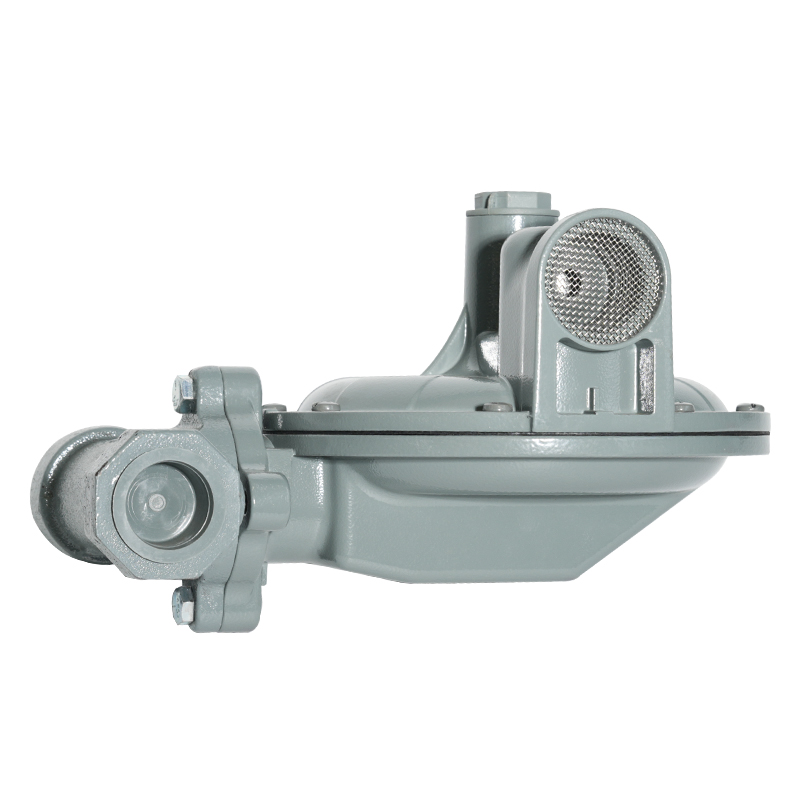
Safety valve gas control pump accessories pressure regulator is an indispensable key component in the gas system. As a protective device, the safety v...
See Details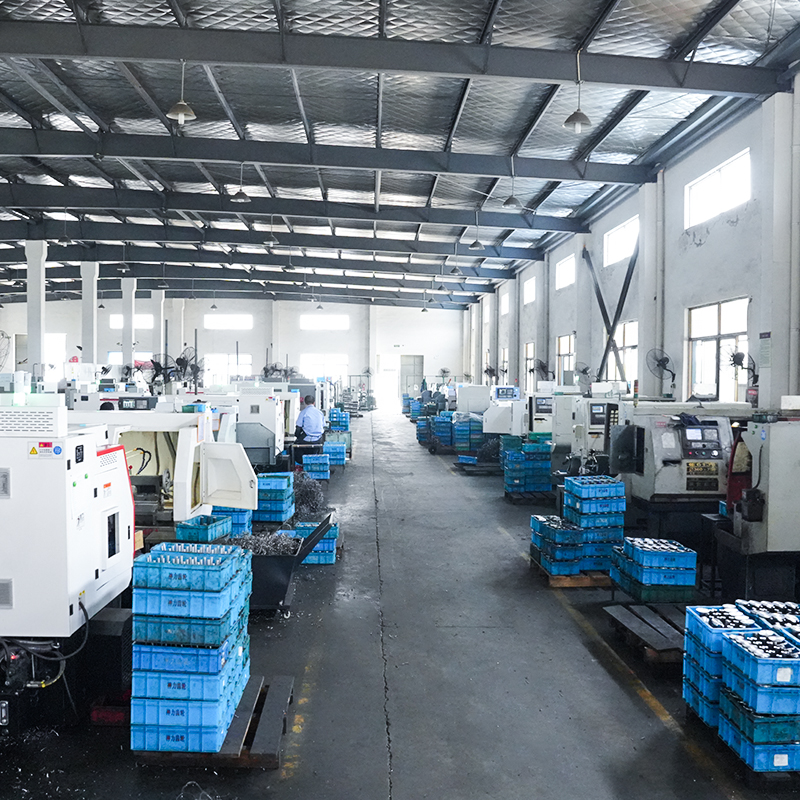
The gas parts processing center is a highly integrated and automated processing equipment based on advanced technologies such as CNC technology and me...
See Details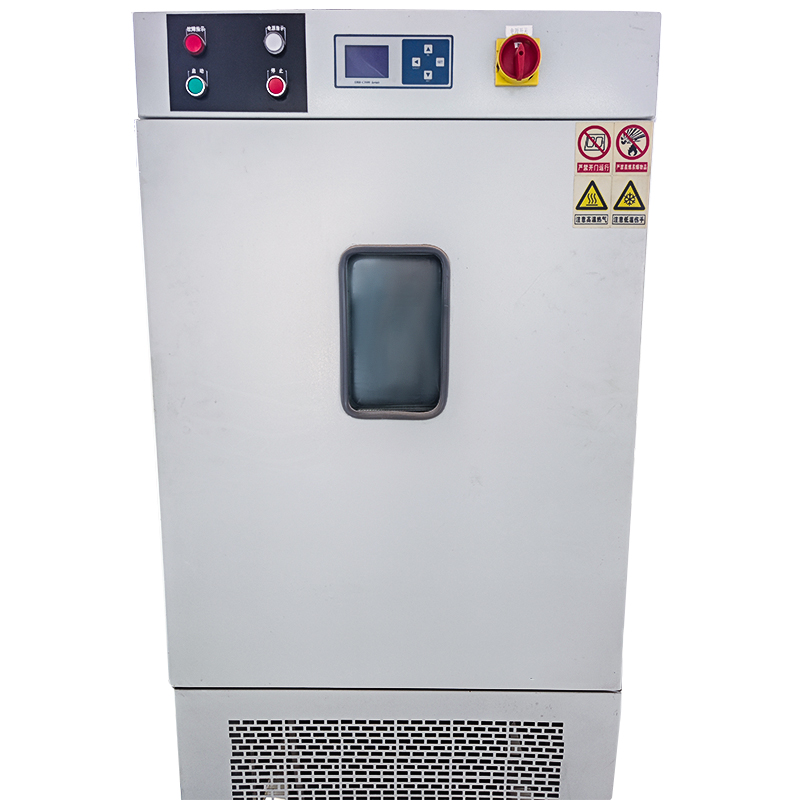
The film test high and low temperature chamber is a device specially used to test the stability and reliability of material films under different temp...
See Details
The company is a manufacturer specializing in gas transmission and +distribution equipment and gas pressure regulators. It is a professional manufacturer integrating the research and development, design, manufacturing, marketing and after-sales service of gas equipment.
Phone: +86 138-5131-2088
Tel: +86 0515-83918669
Email: [email protected]
Add: No. 13, Yongchuang Road, Dazhong Industrial Park, Dafeng District, Yancheng City, Jiangsu Province, China
Copyright © Jiangsu Changrun Intelligent Gas Equipment Co., Ltd All Rights Reserved.
Custom Smart Gas Pressure Regulators Manufacturers, Suppliers
 Login
Login
Contact Us