 English
 русский
 Español
 عربى
عربىLPG/natural gas/fuel gas filter with differential pressure gauge
The LPG/natural gas/fuel gas filter with differential pressure gauge is a device that filters gas and monitors its pressure changes. The filter can ef...
See Details


Request a Quote
Content
Turn on a gas stove and a small, steady blue flame appears almost instantly. Behind that simple moment sits a piece of equipment most people never think about: a natural gas pressure regulator valve. Without it, the gas arriving at a home or building would surge in at a pressure far too high and inconsistent for any appliance to use safely. This article walks through what these devices are, how they work, where they show up in daily life, and what tends to go wrong with them over time.
A natural gas pressure regulator valve is a mechanical device installed along a gas line that reduces incoming gas pressure to a lower, steady level before it reaches appliances or equipment. Gas travels through distribution pipelines at pressures that are efficient for transport over long distances, but that pressure is far higher than any household appliance is designed to handle. The regulator sits between the higher-pressure supply and the lower-pressure system inside a building, quietly adjusting itself so the outlet pressure stays within a narrow, predictable range no matter how the inlet pressure or the demand for gas changes.
Think of it as a kind of pressure translator. On one side, conditions can shift constantly as gas moves through the wider network. On the other side, a furnace, water heater, or stove needs the same reliable pressure every single time it fires up. The regulator's entire job is to make sure the second side never has to deal with the variability of the first.
Most natural gas regulators rely on a surprisingly simple mechanical balance between three components: a flexible diaphragm, a spring, and a valve that opens or closes against an orifice.
The diaphragm is a thin, flexible disc that separates the regulator into two chambers. One side of the diaphragm is exposed to the pressure downstream of the valve, meaning the pressure that is actually being delivered to the appliances. A spring pushes against the other side of the diaphragm with a set amount of force. As downstream pressure rises, it pushes back against the spring; as downstream pressure falls, the spring pushes the diaphragm further, which in turn moves a connected valve stem and opens the orifice wider to let more gas through.
This creates a continuous feedback loop. If an appliance shuts off and downstream pressure starts to climb, the diaphragm senses that increase and closes the valve slightly. If several appliances turn on at once and pressure starts to drop, the diaphragm senses that drop and opens the valve further. The regulator is not "smart" in an electronic sense; it is a self-correcting mechanical system that reacts to pressure changes in real time, adjusting itself dozens of times a minute if needed without any external power source.
A small vent or breather hole, often connected to a vent limiting device or an external vent line, allows the top chamber of the regulator to equalize with atmospheric pressure so the diaphragm can move freely. This vent is a functional part of the design, not a flaw, though it does mean regulators need to be installed with attention to where that vent discharges.
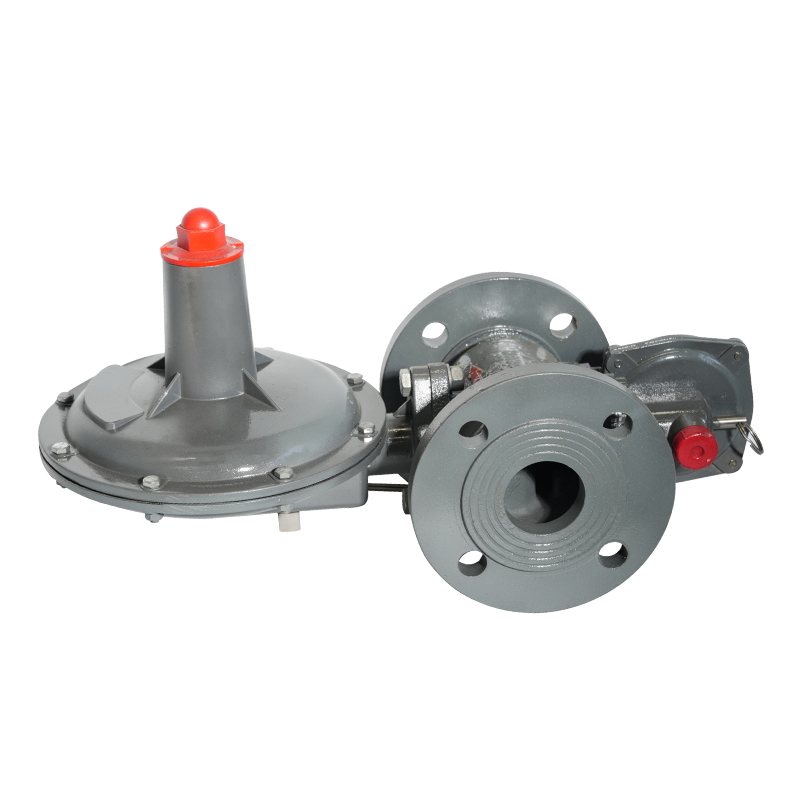
Not all regulators are built the same way, and the differences matter for how precisely and how far they can reduce pressure. The two most common categories are direct-acting (single-stage) regulators and pilot-operated (often paired with two-stage systems) regulators.
A direct-acting regulator uses the spring-and-diaphragm mechanism described above in a single step. It is simple, reliable, and inexpensive, which is why it is so common in residential settings. Its main limitation is that as flow demand changes significantly, the outlet pressure can drift slightly from the ideal setpoint, an effect known as droop.
A pilot-operated regulator adds a smaller secondary regulator, the "pilot," that senses downstream pressure and fine-tunes the main valve's response with much greater precision. This design holds outlet pressure far more steady across a wide range of flow rates, which makes it useful in situations where large or rapidly changing demand would overwhelm a simple direct-acting design. A two-stage setup, meanwhile, uses two separate regulators in sequence: the first reduces pressure from very high to an intermediate level, and the second reduces it again to the final delivery pressure, splitting a large pressure drop into two smaller, more controllable steps.
| Feature | Direct-Acting (Single-Stage) | Pilot-Operated / Two-Stage |
|---|---|---|
| Mechanical complexity | Simple, single spring and diaphragm | More complex, includes a pilot or second stage |
| Pressure accuracy under changing flow | Some droop as demand varies | Very steady, minimal droop |
| Typical use case | Individual homes, small buildings | Larger buildings, industrial or high-demand systems |
| Relative cost | Lower | Higher |
| Maintenance needs | Lower complexity, easier to service | Requires more careful periodic checks |
A few technical terms come up often when people research pressure regulators, and each describes a real, practical characteristic rather than an abstract specification.
Turn-down ratio describes the range between the maximum and minimum flow a regulator can control accurately, expressed as a ratio like 10:1 or 20:1. A regulator with a 20:1 turn-down ratio can maintain accurate pressure whether flow demand is at full capacity or as low as one-twentieth of that capacity. This matters because real-world gas demand is rarely constant; appliances cycle on and off, and a regulator with a poor turn-down ratio may struggle to hold steady pressure when demand swings widely.
Lock-up pressure is the pressure at which the regulator fully closes and stops flow entirely, typically occurring when downstream demand drops to zero. A well-designed regulator locks up cleanly at a pressure only slightly above its normal delivery pressure, preventing a dangerous pressure buildup when no appliance is drawing gas.
Accuracy refers to how close the delivered pressure stays to its target setpoint across different operating conditions. This is closely tied to spring quality, diaphragm material, and whether the design is direct-acting or pilot-operated.
| Term | What It Means | Why It Matters |
|---|---|---|
| Turn-down ratio | Range of flow the regulator can control accurately | Handles varying appliance demand without pressure swings |
| Lock-up pressure | Pressure at which the valve fully closes | Prevents overpressure when demand stops |
| Droop | Pressure drift as flow rate changes | Lower droop means steadier appliance performance |
| Response time | Speed of adjustment to demand changes | Faster response avoids brief pressure dips or spikes |
Because a regulator sits at the exact point where a system transitions from high pressure to low pressure, most designs include at least one layer of built-in safety beyond the basic spring-and-diaphragm mechanism. Two of the most common are internal relief valves and monitor regulators.
An internal relief valve is a small secondary opening that activates only if downstream pressure climbs above a set safety threshold, even after the main valve has already closed. Rather than allowing pressure to keep building against a fully shut valve, the relief valve vents a small, controlled amount of gas to relieve the excess pressure, then closes again once pressure returns to normal. This is a fail-safe layered on top of the regulator's normal function, not a substitute for it.
A monitor regulator takes safety a step further by adding an entirely separate regulating unit, installed in series with the primary regulator, that stays fully open and does nothing under normal conditions. If the primary regulator were to fail in a way that let pressure rise uncontrolled, the monitor regulator senses that rise and begins throttling flow itself, effectively taking over the pressure-control job. This kind of redundancy is more common in commercial and industrial installations where the consequences of an uncontrolled pressure spike are more significant, but the same underlying idea, a mechanical backup that only engages if something goes wrong, shows up in various forms across different regulator designs.
Neither of these features eliminates the need for regular inspection. A relief valve that has activated repeatedly, for instance, is often a sign that the main regulator itself is no longer sealing properly and needs attention rather than simply relying on the safety mechanism to keep compensating indefinitely.
Most residential gas meters have a regulator built into or attached near the meter assembly, usually mounted outside the home. This first-stage regulator brings distribution pressure down to a level suitable for the piping running through the house. In many regions, individual appliances such as furnaces or water heaters include a smaller internal regulator as a second layer of control, fine-tuning pressure right at the point of use.
In commercial kitchens, boiler rooms, and light industrial settings, gas demand tends to swing more sharply as multiple burners or units cycle on and off. These environments often rely on pilot-operated or two-stage regulators specifically because of their steadier performance under fluctuating load. Large facilities may also use monitor regulators, a backup unit installed alongside the primary regulator that only activates if the main regulator fails, adding a layer of redundancy to the system.
Even though a regulator is a passive mechanical device, how it is installed has a direct effect on how well it performs and how long it lasts. A few considerations come up repeatedly in installation guidance:
Local plumbing and fuel gas codes typically spell out exact clearance distances, height above grade, and venting requirements, and these details can vary by jurisdiction, so installation should always follow the applicable local code alongside the manufacturer's instructions.
Regulators are built to be durable, but like any mechanical part with a spring and a flexible diaphragm, they can wear out or develop issues. A few problems tend to show up more often than others.
Pressure creep happens when the valve does not seal completely at lock-up, allowing pressure downstream to climb slowly even when no appliance is drawing gas. This can show up as flames that burn unusually high or hissing sounds near the regulator.
Diaphragm wear or rupture is one of the most common failure points, since the diaphragm flexes constantly and is made from a material that can harden, crack, or tear after years of use. A torn diaphragm often causes gas to escape through the vent opening, sometimes accompanied by a noticeable gas odor near the regulator body.
Freezing can occur in cold climates, particularly with high-pressure regulators, because gas expanding rapidly through the valve causes a drop in temperature, a phenomenon related to the Joule-Thomson effect. If moisture is present, this cooling can form ice inside the regulator, restricting or blocking flow entirely.
Inconsistent appliance performance, such as a burner flame that flutters, weakens, or changes color unexpectedly, can point to a regulator struggling to maintain steady pressure, especially if the issue appears only when multiple appliances run at once.
Any of these signs, along with the smell of gas near the meter or regulator, unusual hissing, or visible corrosion on the housing, are reasons to have the system inspected rather than something to wait out.
A well-maintained natural gas pressure regulator typically lasts somewhere in the range of ten to fifteen years, though the exact figure depends heavily on the operating environment, the quality of the diaphragm material, and how consistently the unit is inspected. Regulators exposed to significant temperature swings, high humidity, or heavy debris in the gas stream tend to wear faster than those in stable, clean conditions.
Many manufacturers recommend a visual inspection every one to three years, checking for corrosion, listening for unusual sounds, and confirming the vent opening is clear and unobstructed. A full functional test, sometimes performed by a qualified technician, can catch early signs of diaphragm fatigue or spring weakening before they turn into a failure. Replacing a regulator on a proactive schedule, rather than waiting for a visible problem, is generally the more reliable approach given how central this component is to safe gas delivery.
Several factors influence where a specific regulator falls within that ten-to-fifteen-year range. Units installed outdoors and exposed to direct sun, heavy rain, or repeated freeze-thaw cycles tend to show diaphragm wear sooner than units in more sheltered locations. Gas quality also plays a role: distribution systems with more particulate matter or moisture in the gas stream put additional strain on the valve seat and orifice over time. Even something as simple as how often demand cycles on and off matters, since every open-close movement is a small mechanical stress on the spring and diaphragm, and a regulator serving a system with frequent, sharp demand swings will generally accumulate wear faster than one serving a steadier load.
A few misunderstandings come up often enough to be worth addressing directly.
One common assumption is that a regulator only matters if something is visibly wrong, such as a leak. In reality, a regulator that is slowly losing accuracy can affect appliance performance and efficiency long before any obvious symptom appears, since the drift in pressure can be small and gradual.
Another misconception is that all regulators are interchangeable as long as the pipe fittings match. In practice, a natural gas pressure regulator valve's turn-down ratio, inlet pressure rating, and outlet pressure setting all need to match the specific application, and swapping in a mismatched unit can create either insufficient flow during high demand or unsafe pressure buildup during low demand.
A third misconception is that regulators never need maintenance because they have no moving electronic parts. The mechanical components inside, particularly the diaphragm and spring, are still subject to wear, fatigue, and environmental exposure over time, and periodic inspection is genuinely part of keeping the system reliable.
A natural gas pressure regulator valve is a quiet but essential part of how gas gets from a distribution pipeline into a working appliance at a safe, steady pressure. Understanding how the diaphragm-and-spring mechanism works, what separates a simple direct-acting design from a pilot-operated one, and what signs point to wear or failure gives anyone dealing with a gas system a clearer picture of what is actually happening behind the wall or under the meter. For anyone researching a natural gas pressure regulator valve for a specific application, matching the turn-down ratio, pressure rating, and installation requirements to the actual demand of the system is the detail that makes the biggest difference in long-term reliability.
It is a mechanical device that reduces and stabilizes the pressure of natural gas as it moves from a higher-pressure supply line into a lower-pressure system feeding appliances, keeping delivery pressure within a safe, consistent range.
Warning signs include a gas odor near the regulator or meter, hissing sounds, flames that burn unusually high or low, inconsistent appliance performance, visible corrosion on the housing, or ice forming on the unit in cold weather. Any of these warrant a professional inspection.
The most frequent issues include diaphragm wear or rupture, pressure creep from an incomplete seal at lock-up, debris or contamination affecting the valve seat, spring fatigue after years of use, and freezing in cold climates due to rapid gas expansion inside the valve.
Most regulators last roughly ten to fifteen years under normal conditions, though harsh environments, temperature extremes, or contaminated gas streams can shorten that lifespan. Regular inspection every one to three years helps catch wear before it becomes a failure.
It depends on how much the demand fluctuates in a given system. Residential settings often work well with a modest turn-down ratio, while commercial or industrial systems with widely varying demand typically benefit from a higher ratio, such as 20:1, to maintain accurate pressure across the full flow range.
Most regulator designs include a vent opening that needs to discharge to open air rather than into an enclosed space, so that internal pressure can equalize properly and, in the rare case of a diaphragm issue, gas does not accumulate indoors. Exact venting requirements depend on local fuel gas codes.
Yes. As gas expands rapidly through the valve, the temperature inside the regulator drops, and if moisture is present, this cooling effect can form ice that restricts or blocks flow. This is more common with regulators handling a larger pressure drop in cold outdoor conditions.
Minor issues, such as a clogged vent opening or debris caught near the valve seat, can sometimes be cleared during a routine inspection. However, once the diaphragm or spring has worn out, most regulators are designed as sealed or largely non-serviceable units, meaning full replacement is typically the safer and more practical option rather than attempting an internal repair.
There is no single fixed interval that applies everywhere, since it depends on the operating environment and local code requirements, but many households and facilities plan for replacement somewhere within the ten-to-fifteen-year range, with more frequent inspections in the years leading up to that point to catch early signs of wear.
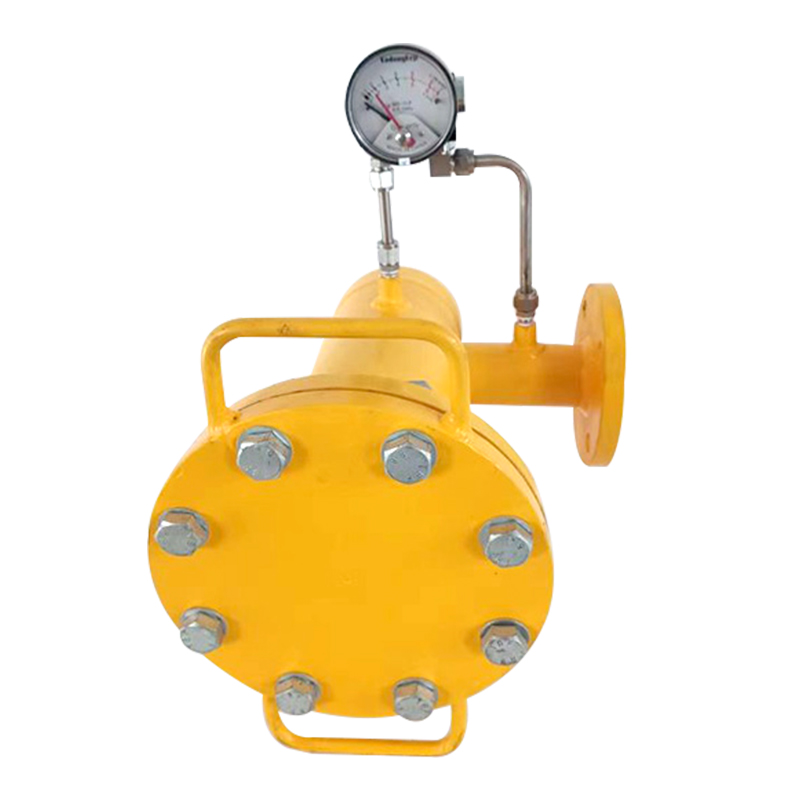
The LPG/natural gas/fuel gas filter with differential pressure gauge is a device that filters gas and monitors its pressure changes. The filter can ef...
See Details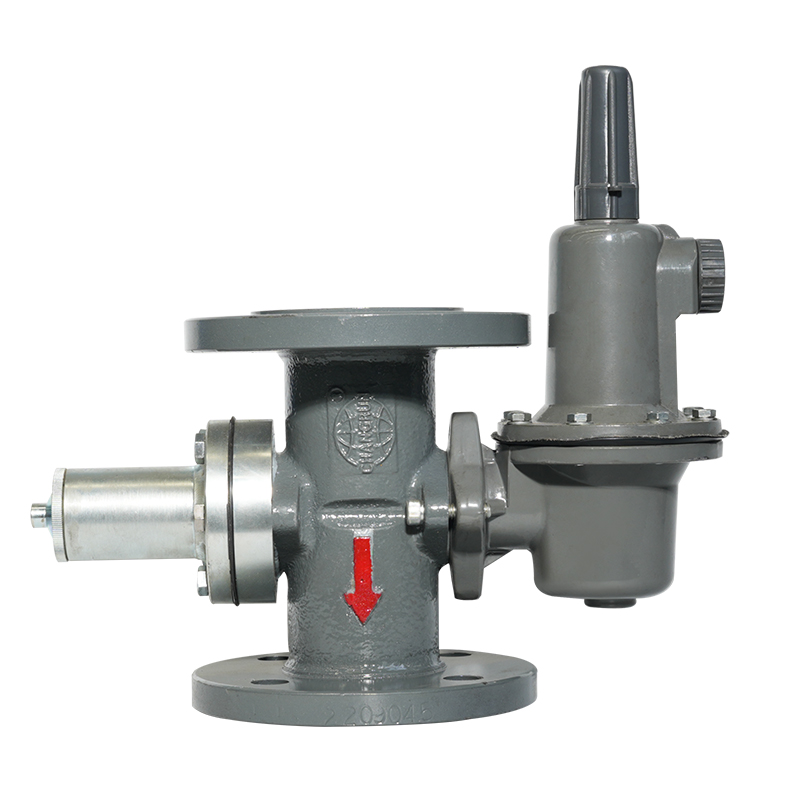
Gas pressure reducing valve for natural gas/liquefied gas/petroleum gas high-pressure regulator is widely used in natural gas, liquefied gas, petroleu...
See Details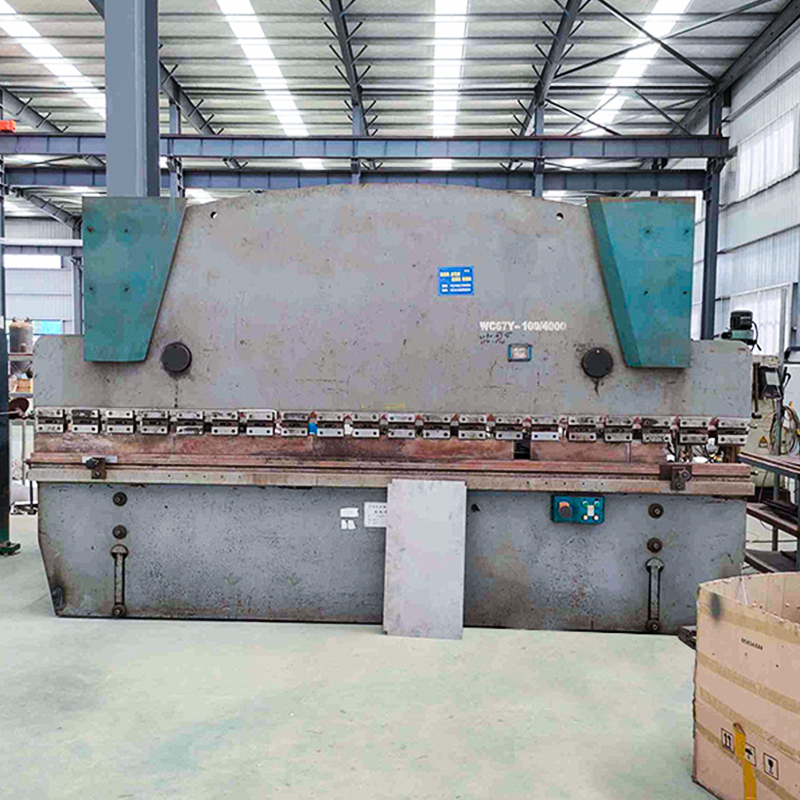
A liquefaction plant is a device that converts gas into liquid, especially in the production of liquefied natural gas (LNG). LNG plant specifically re...
See Details
The company is a manufacturer specializing in gas transmission and +distribution equipment and gas pressure regulators. It is a professional manufacturer integrating the research and development, design, manufacturing, marketing and after-sales service of gas equipment.
Phone: +86 138-5131-2088
Tel: +86 0515-83918669
Email: [email protected]
Add: No. 13, Yongchuang Road, Dazhong Industrial Park, Dafeng District, Yancheng City, Jiangsu Province, China
Copyright © Jiangsu Changrun Intelligent Gas Equipment Co., Ltd All Rights Reserved.
Custom Smart Gas Pressure Regulators Manufacturers, Suppliers
 Login
Login
Contact Us