 English
 русский
 Español
 عربى
عربىSafety valve natural gas pressure regulator
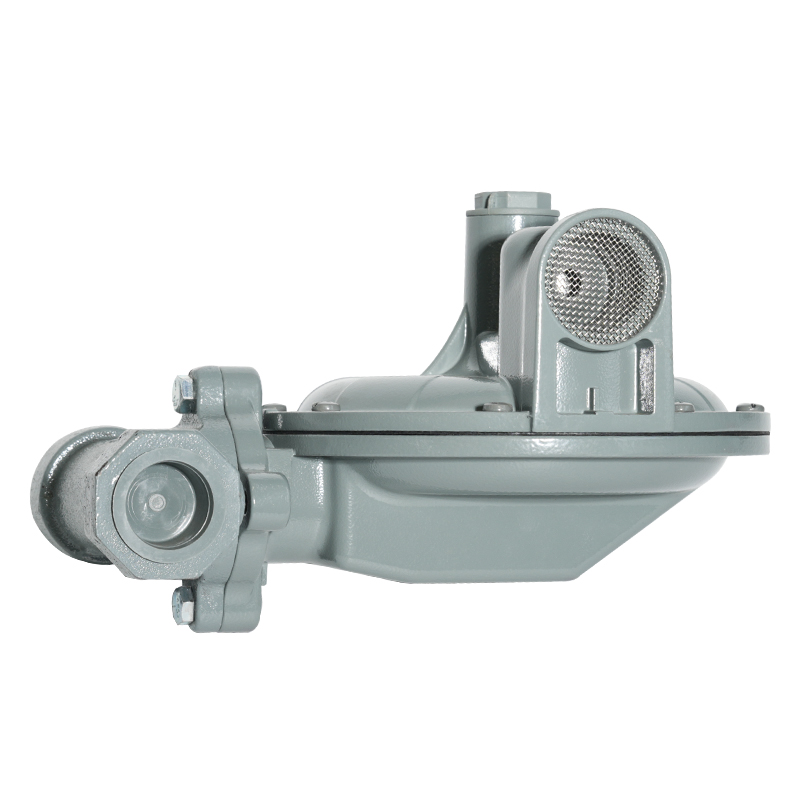
The safety valve natural gas pressure regulator is an important device to ensure the safety of gas use. Its main function is to protect the equipment ...
See Details


Request a Quote
Content
A natural gas pressure regulator is a mechanical device that reduces and stabilizes high inlet gas pressure to a lower, usable outlet pressure suitable for downstream equipment, appliances, or distribution networks. It operates by sensing outlet pressure through a diaphragm or piston and adjusting a valve opening to maintain constant output despite fluctuations in inlet pressure or flow demand. These regulators are critical components in city gate stations, gas transmission pipelines, industrial facilities, and commercial buildings, ensuring safe and efficient gas delivery while complying with international standards such as GB 27790, EN 334, and ISO 23553.
A natural gas pressure regulator is a mechanical device designed to automatically reduce and stabilize high-pressure incoming natural gas to a lower, consistent outlet pressure. It is a critical component in any gas transmission or distribution system, ensuring that downstream equipment, appliances, and pipelines receive gas at a safe and usable pressure regardless of fluctuations in supply pressure or demand.
The regulator operates without external power, using the force of the gas itself and a mechanical sensing element—typically a diaphragm or piston—to modulate a valve opening. When outlet pressure drops, the valve opens wider to allow more gas through; when outlet pressure rises, the valve throttles closed. This self-contained, fail-safe operation makes pressure regulators indispensable in both upstream and downstream gas infrastructure.
The working principle of a gas pressure regulator is based on a simple mechanical feedback loop. High-pressure gas enters the regulator through the inlet port. A valve plug or disc restricts flow, creating a pressure drop. The downstream pressure is sensed by a diaphragm or piston that moves against a spring force set to a specific outlet pressure.
When downstream demand increases, outlet pressure drops, allowing the spring to push the diaphragm and open the valve further, increasing flow. When demand decreases, outlet pressure rises, the diaphragm compresses the spring, and the valve closes slightly. This balance between spring force and downstream pressure maintains a stable output pressure across a wide range of flow conditions.
Key components include:
The accuracy of a gas regulator is determined by its pressure-versus-flow characteristic. A regulator with a droop characteristic will show a slight decrease in outlet pressure as flow increases, while a regulator with an ideal characteristic maintains constant pressure across the full flow range. Pilot-operated regulators generally offer tighter accuracy than direct-acting regulators, making them preferred for high-flow and critical applications.
Choosing between direct-acting and pilot-operated regulators is one of the most important decisions in regulator selection. The table below summarizes the key differences:
| Parameter | Direct-Acting Regulator | Pilot-Operated Regulator |
|---|---|---|
| Principle | Spring force balances diaphragm to control valve opening | Pilot senses downstream pressure and controls main valve via pressure signal |
| Accuracy | Moderate (typically ±5% to ±10%) | High (typically ±1% to ±5%) |
| Flow Capacity | Low to medium | Medium to very high |
| Inlet Pressure Range | Up to 10 bar typical | Up to 100 bar or higher |
| Response Speed | Fast | Moderate |
| Cost | Lower | Higher |
| Best Application | Small loads, appliance regulators, distribution networks | City gate stations, high-flow industrial, transmission lines |
"For most city gate and high-flow applications, we recommend pilot-operated regulators because they deliver the accuracy and capacity required for large-scale gas distribution. However, for smaller industrial facilities or commercial buildings, direct-acting regulators are more cost-effective and simpler to maintain. The key is matching the regulator type to both the flow range and the required accuracy class. Over-specifying leads to unnecessary cost; under-specifying leads to unstable operation and safety risks."
When evaluating regulators for your application, the following specifications are essential:
| Specification | Typical Range | Why It Matters |
|---|---|---|
| Inlet Pressure Range | 0.1 bar to 100 bar | Must match upstream supply pressure |
| Outlet Pressure Range | 0.01 bar to 10 bar | Must meet downstream equipment requirements |
| Flow Capacity (Q max) | 10 Nm³/h to 50,000+ Nm³/h | Determines whether the regulator can handle peak demand |
| Accuracy Class | AC 2.5 to AC 10 (per EN 334) | Defines the allowable deviation from set pressure |
| Lock-Up Pressure | Typically 10% to 20% above set pressure | Ensures complete shutoff under no-flow conditions |
| Operating Temperature | -20°C to +60°C | Must match site environmental conditions |
| Connection Size | DN15 to DN400 | Compatibility with existing piping |
Use this step-by-step decision flow to select the correct regulator for your application:
Compliance with recognized standards is essential for safety, regulatory approval, and market access. The following standards apply to natural gas pressure regulators:
| Standard | Scope | Region |
|---|---|---|
| GB 27790 | Gas pressure regulators for city gas | China |
| EN 334 | Gas pressure regulators for inlet pressures up to 100 bar | Europe |
| ISO 23553 | Safety devices for gas burners and gas appliances | International |
| ASME B31.8 | Gas transmission and distribution piping systems | United States |
| API 6A / 6D | Wellhead and pipeline equipment (applicable for upstream) | International |
Regulators require periodic inspection and maintenance. Ensure that the selected regulator has accessible trim components and available service kits. Some regulators are designed with quick-change cartridges that minimize downtime.
This describes the range of flow over which the regulator can maintain stable outlet pressure. A high turn-down ratio (e.g., 50:1 or 100:1) indicates the regulator can handle wide fluctuations in demand—critical for applications with highly variable loads.
For pilot-operated regulators, the pilot gas supply must be clean and dry. Clogged filters are the most common cause of pilot failure. Ensure the system design includes an adequate filter or separator upstream of the pilot connection.
Natural gas can contain traces of moisture, hydrogen sulfide, and other contaminants that may cause corrosion or erosion. For sour gas applications (H₂S content), NACE-compliant materials and coatings are required.
High-pressure drops can cause noise and vibration, leading to premature wear. For applications with pressure drops exceeding 20 bar, consider regulators with noise-reduction features such as multi-stage trims or silencers.
Looking for reliable natural gas pressure regulators for your project?
Jiangsu Changrun Intelligent Gas Equipment Co., Ltd. offers a comprehensive range of pressure regulators meeting GB 27790, EN 334, and ISO 23553 standards. With over 10,000 units produced annually and a technical team accounting for 56% of our workforce, we provide engineered solutions for city gate stations, gas transmission, and industrial applications.
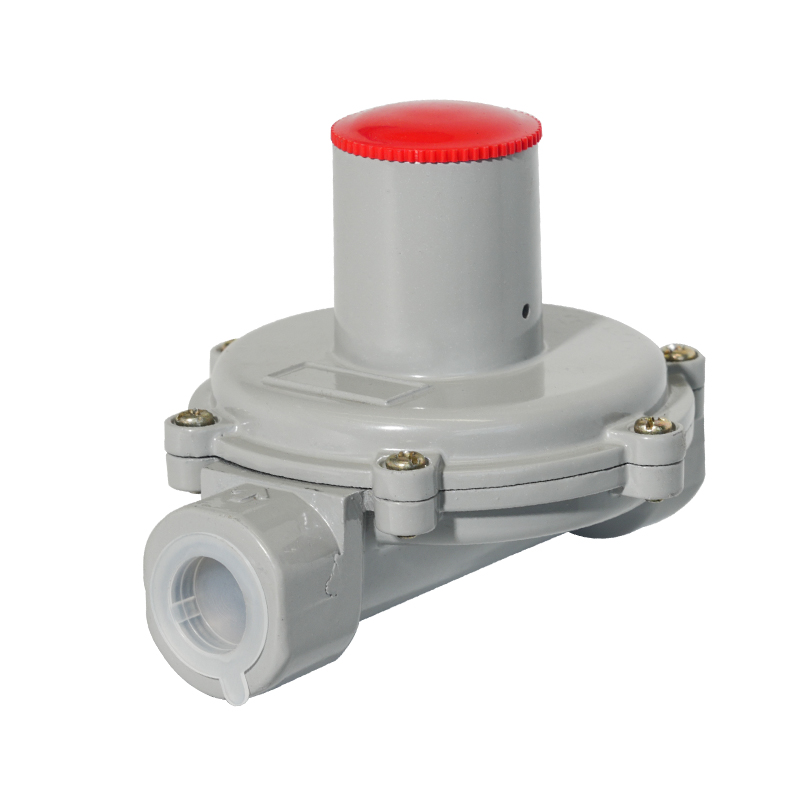
The safety valve natural gas pressure regulator is an important device to ensure the safety of gas use. Its main function is to protect the equipment ...
See Details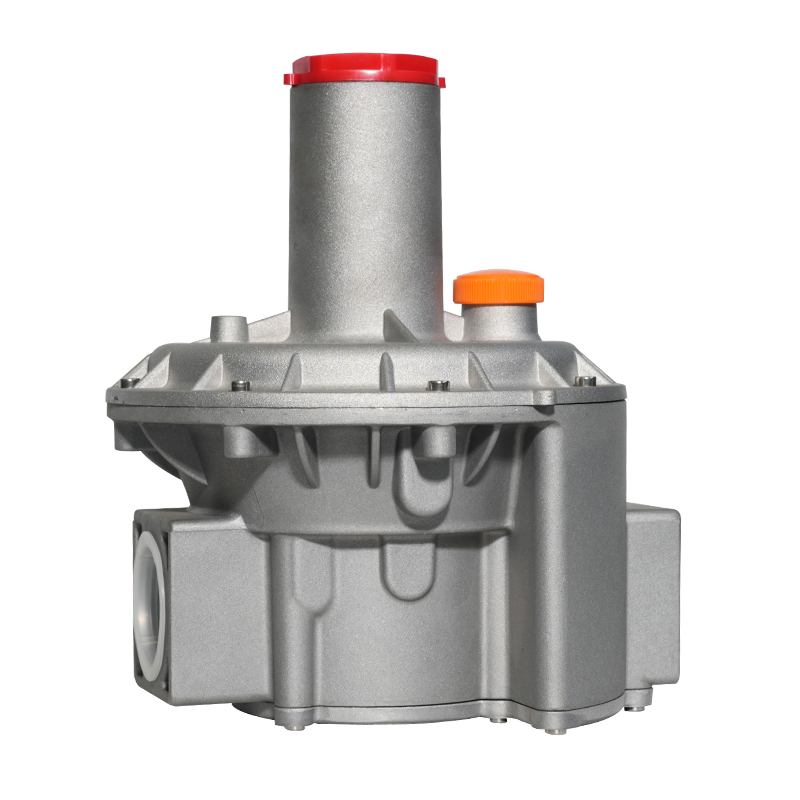
The natural gas pressure regulating valve and gas pipeline pressure regulator are important pipeline system devices, mainly used to adjust and control...
See Details
Natural gas/LPG gas generator is a device specially used to convert natural gas or LPG into electrical energy. The device connects the engine and the ...
See Details
The company is a manufacturer specializing in gas transmission and +distribution equipment and gas pressure regulators. It is a professional manufacturer integrating the research and development, design, manufacturing, marketing and after-sales service of gas equipment.
Phone: +86 138-5131-2088
Tel: +86 0515-83918669
Email: [email protected]
Add: No. 13, Yongchuang Road, Dazhong Industrial Park, Dafeng District, Yancheng City, Jiangsu Province, China
Copyright © Jiangsu Changrun Intelligent Gas Equipment Co., Ltd All Rights Reserved.
Custom Smart Gas Pressure Regulators Manufacturers, Suppliers
 Login
Login
Contact Us