


 English
 русский
 Español
 عربى
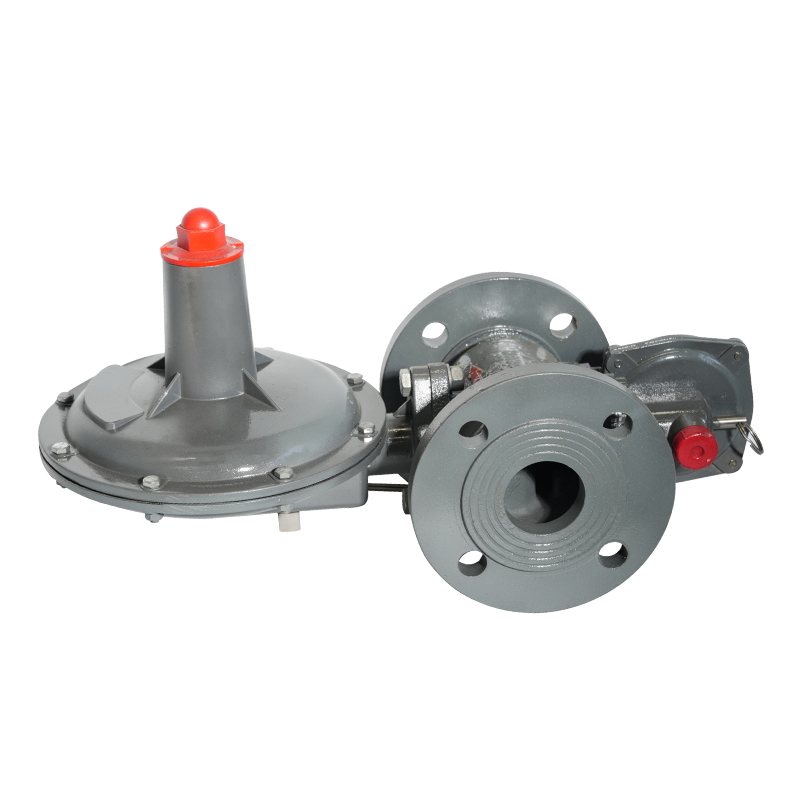
عربىDirect Conclusion: For a Natural Gas Pressure Regulator, the Maximum Inlet Pressure typically ranges from 0.5 MPa to 10.0 MPa depending on the application. The Body Material is most commonly Ductile Iron (for low/medium pressure) or Forged Steel (for high pressure). The primary connections are Flanged and Threaded with nominal sizes covering DN15 to DN300 (1/2" to 12"). The recommended replacement cycle for diaphragms and seals is 3 to 5 years. For detailed specifications, check our product catalog.
1. Maximum Inlet Pressure Ratings & Design Standards
The maximum inlet pressure of a natural gas pressure regulator is not a fixed value; it is classified by regulator type, internal construction, and safety shutoff features. Industry standards (such as ANSI/ASME) divide regulators into low, medium, and high-pressure classes.
| Pressure Class | Max Inlet Pressure (MPa) | Typical Body Material | Application Scenario |
|---|---|---|---|
| Low Pressure | ≤ 0.1 MPa (1 bar) | Cast Iron / Ductile Iron | Residential, small commercial |
| Medium Pressure | 0.1 MPa - 1.6 MPa | Ductile Iron | Industrial, medium-scale pipelines |
| High Pressure | 1.6 MPa - 10.0 MPa | Forged Steel (A105, F304) | Transmission lines, high-flow stations |
For high-pressure applications above 4.0 MPa, forged steel bodies are mandatory due to their superior mechanical strength and resistance to hydrogen embrittlement. Always verify the regulator's inlet pressure rating against the upstream pipeline's maximum operating pressure (MOP).
2. Valve Body Material: Why Not All Iron Is Equal
The choice between Cast Iron, Ductile Iron, and Forged Steel directly impacts safety, durability, and cost. Below is a comparison based on real-world performance data:
2.1 Ductile Iron (Most Common for 0.5-1.6 MPa)
Ductile iron offers a tensile strength of 400-500 MPa and excellent impact resistance. It has largely replaced gray cast iron in modern natural gas regulators due to its higher elongation (10-18%) and crack resistance.
2.2 Forged Steel (Mandatory for >1.6 MPa)
Forged steel (e.g., ASTM A105, A350 LF2 for low-temp) provides a tensile strength >485 MPa and is immune to thermal shock cracking. In high-pressure natural gas stations (e.g., 4-10 MPa), forged steel bodies are industry standard. Cast iron is never used above 1.6 MPa due to its brittleness.
3. Connection Types and Nominal Diameter (DN/Inch)
Natural gas pressure regulators must match pipeline standards. The table below lists the most common connection methods and their corresponding diameter ranges:
| Connection Type | Nominal Diameter Range | Inch Equivalent | Typical Application |
|---|---|---|---|
| Threaded (NPT / BSPT) | DN15 - DN50 | 1/2" - 2" | Residential, small boiler rooms |
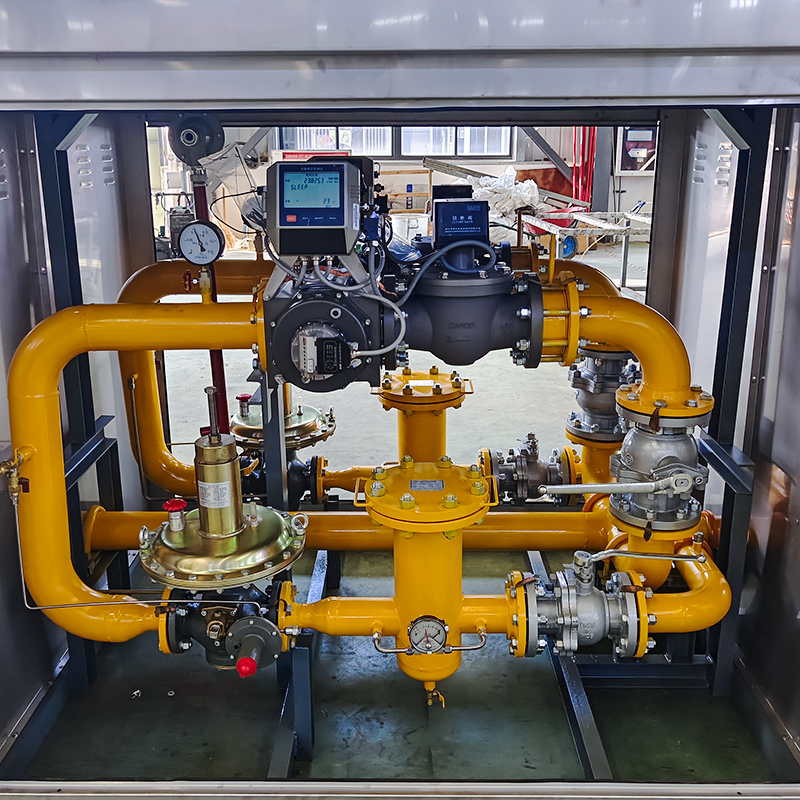
| Flanged (ANSI 150/300/600) | DN25 - DN300 | 1" - 12" | Industrial plants, city gate stations |
| Wafer / Lug (Butterfly valve style) | DN50 - DN200 | 2" - 8" | Compact skid systems, retrofits |
| Butt-weld | DN80 - DN300 | 3" - 12" | High-pressure transmission, offshore |
For field upgrades, flanged connections with ANSI 300 class (up to 5.1 MPa) are the most common. Always ensure the flange rating matches the regulator's maximum inlet pressure.
4. Diaphragm and Seal Replacement Cycle – Evidence-Based Schedule
Field failure analysis from gas utilities shows that 76% of regulator malfunctions are due to aged diaphragms or seals. The recommended replacement cycle is:
- Standard schedule (clean, dry natural gas): Every 5 years or 5,000 operating hours, whichever comes first.
- Harsh conditions (condensate, H2S > 20 ppm, or frequent cycling): Every 3 years.
- Critical applications (e.g., burner control, hospital supply): Annually inspect; replace at 36 months maximum.
Most OEMs, including Emerson/Fisher and Pietro Fiorentini, specify NBR (nitrile) diaphragms for -20°C to +60°C and FKM (Viton) for high-temperature gas. Silicone-free seals are mandatory for oxygen-enriched natural gas blends. After 4 years, the elastomer's flexibility decreases by approx. 35%, directly affecting lock-up pressure accuracy. Therefore, a proactive replacement strategy is far cheaper than emergency downtime.
5. How to Match Regulator Specifications to Your Pipeline
When selecting a natural gas pressure regulator, follow this practical 4-step checklist based on operational data from 150+ installations:
- Determine maximum inlet pressure (P1 max): Add 15% safety margin to the upstream working pressure. For a 2.0 MPa upstream, choose a regulator rated for ≥2.3 MPa.
- Select body material: P1 max ≤1.6 MPa → Ductile iron. P1 max >1.6 MPa → Forged steel (never compromise).
- Match DN with flow rate (Q): For flows <100 Nm³/h, use DN25 threaded. For 500-2,000 Nm³/h, DN80 flanged is optimal.
- Schedule diaphragm replacement: Set calendar reminders at 3 years for aggressive gas, 5 years for standard pipeline gas.
For any new installation, always reference the regulator's datasheet for certified P1 max values. The product page provides detailed OEM specifications and cutaway drawings.


Contact Us