 English
 русский
 Español
 عربى
عربىSafety valve gas control pump accessories pressure regulator
Safety valve gas control pump accessories pressure regulator is a key component in the gas supply system. Its main function is to ensure the stable su...
See Details


Request a Quote
Content
At the heart of every gas-powered appliance—from your kitchen stove to a commercial grill or a cozy fireplace—lies a network of critical components known collectively as gas parts. These are the specialized valves, regulators, burners, igniters, and connectors that work in unison to safely deliver fuel, initiate combustion, and control the flame that provides heat. Understanding these parts is essential not only for troubleshooting and repair but, more importantly, for ensuring the safe and efficient operation of any gas appliance. A malfunctioning component is more than an inconvenience; it can pose serious risks. This guide provides a comprehensive overview of the key categories of gas parts, their functions, common applications, and vital safety considerations, empowering you to make informed decisions about maintenance and repair, whether you're searching for natural gas stove replacement parts or specific gas fireplace ignition parts.
Gas appliance systems can be logically divided into functional groups, each responsible for a specific stage in the process of delivering and burning fuel. The first group is the control and regulation system. This includes manual and automatic gas valves, which act as on/off switches for the fuel flow, and the regulator, a crucial device that reduces the high pressure from the supply tank or line to a safe, low pressure usable by the appliance. Issues here often lead to a lack of gas flow or irregular pressure, which is why items like a propane gas regulator repair kit are common searches for DIY maintenance. The second group encompasses combustion and heat delivery parts. The burner is the centerpiece where air and fuel mix and ignite, and its design—whether for a home stove or a commercial gas grill burners and parts—directly impacts flame quality and efficiency. Alongside the burner is the ignition system, which reliably creates the spark or heat needed to light the gas, a component that frequently requires attention, as seen in searches for gas fireplace ignition parts or a gas oven igniter replacement. Finally, the fuel delivery system consists of the pipes, hoses, fittings, and seals that form the physical pathway for the gas from its source to the appliance.
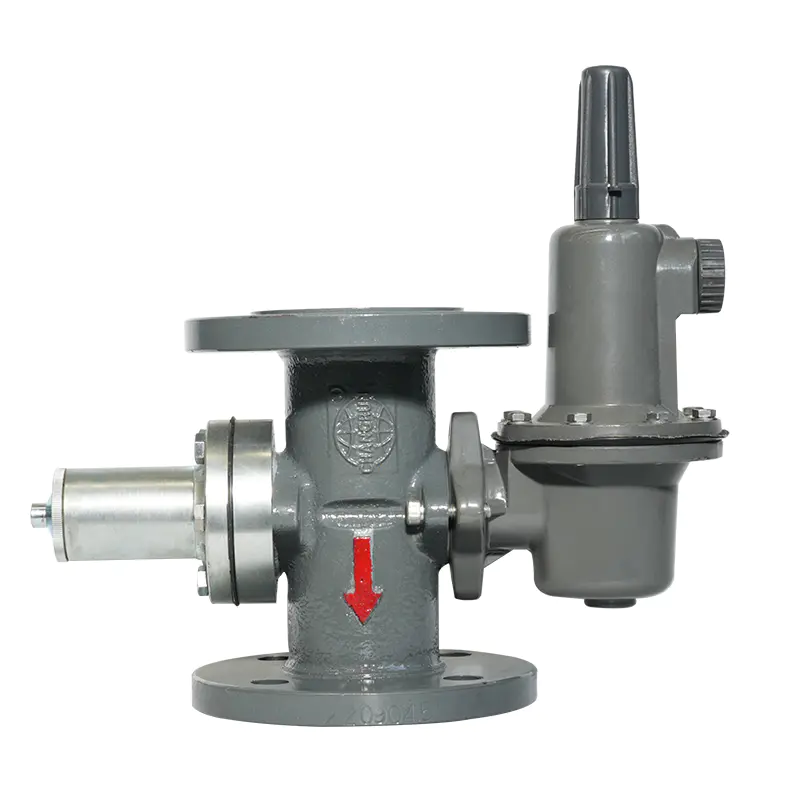
The principles of gas parts remain consistent, but their specific form and failure modes vary by appliance. In the home kitchen, a gas range relies on a set of frequently serviced components. Clogged burner ports can cause uneven flames, while a worn-out thermocouple (a safety sensor) will cause the burner to shut off even if the pilot is lit. Finding the correct natural gas stove replacement parts requires matching the model number and confirming the fuel type (natural gas vs. propane). For outdoor and commercial cooking, the demands are greater. Commercial gas grill burners and parts are built from heavier-gauge stainless steel or cast iron to withstand constant high-heat cycles and the rigors of a professional kitchen, and their maintenance is scheduled rather than reactive. In appliances focused on ambiance and baking, such as fireplaces and ovens, the ignition system is paramount. A gas fireplace ignition parts failure, often in the electrode or control module, will leave you without a flame. Similarly, a weak or cracked hot surface igniter is the most common reason for a gas oven failing to heat, making a gas oven igniter replacement one of the most frequent DIY repairs for homeowners.
| Appliance Type | Most Common Replacement Parts | Typical Symptoms of Failure |
| Residential Gas Range/Cooktop | Burner caps/heads, igniter electrodes, thermocouples, control knobs. | Burner won't light, flame is yellow or lifts off ports, burner shuts off when knob is released. |
| Gas Oven | Hot surface igniter, bake/broil burner, oven temperature sensor, gas valve. | Oven doesn't heat, takes extremely long to preheat, temperature is inaccurate. |
| Gas Fireplace (Insert or Log Set) | Ignition electrode, pilot assembly, thermopile/thermocouple, gas valve. | Pilot won't light or stay lit, main burner won't ignite, intermittent operation. |
| Commercial Gas Grill/Griddle | Main burners, orifice spuds, control valves, igniter modules, heat plates. | Uneven heating, weak flame, failure to ignite one or more burners. |
Working with any gas parts demands that safety is the absolute top priority. The risks associated with improper installation or the use of substandard components are severe and include gas leaks, fire, and carbon monoxide poisoning from incomplete combustion. This is why part quality and certification are critical. Always seek components that are tested and certified by recognized national safety laboratories for use with your specific appliance and fuel type. Furthermore, understanding the boundary between a DIY repair and a job for a licensed professional is essential. Simple parts replacement that does not involve disconnecting gas lines—such as swapping a burner cap or a surface igniter—can often be done safely by a knowledgeable homeowner. However, any task that involves breaking the gas seal at the supply line, replacing a primary control valve, or adjusting the pressure regulator should be left to a qualified gas technician. The small cost of professional service is insignificant compared to the safety of your household.
Successfully finding the correct replacement part hinges on precise identification. Before searching for anything, locate the appliance's data plate, which contains the model and serial number—this is the most reliable way to ensure compatibility. Take clear, well-lit photographs of the old part from multiple angles, noting any numbers stamped on it. Crucially, confirm whether your appliance uses natural gas (NG) or liquefied petroleum gas (LPG/propane), as parts like orifices and sometimes regulators are not interchangeable. When sourcing, you'll typically have three options: genuine Original Equipment Manufacturer (OEM) parts, high-quality compatible parts from a reputable aftermarket supplier, and generic universal parts. For critical safety components like valves and regulators, OEM or certified-compatible parts are strongly recommended. For other parts, a reliable propane gas regulator repair kit, for example, can offer a cost-effective solution that includes all necessary gaskets and diaphragms for a complete repair.
Regular maintenance can prevent many common issues. Keep burner ports clean and free of food debris or grease to ensure proper air-fuel mixing and prevent yellow, sooting flames. Visually inspect igniters for cracks or damage. For pilots, ensure the flame is strong and blue, enveloping the thermocouple tip. A simple annual check can extend the life of your appliance significantly. When problems arise, a systematic approach helps.
| Symptom | Possible Causes | Parts to Check First |
| Appliance won't ignite (no spark/flame) | No gas flow, dead igniter, faulty control module, safety lockout. | Gas supply valve, igniter (spark electrode or hot surface), thermocouple/thermopile. |
| Weak or yellow flame | Clogged burner ports, incorrect gas pressure, improper air mixture. | Burner head/tube, air shutter, gas regulator. |
| Burner lights but goes out when knob is released | Faulty safety valve (thermocouple not generating enough voltage). | Thermocouple (positioning and condition), thermocouple connection to valve. |
| Gas odor (when appliance is off) | Gas leak at a connection, faulty valve seal. | STOP. Do not use. Shut off gas and contact a professional immediately. |
A failing hot surface igniter, a key part of a gas oven igniter replacement job, shows clear signs. When you turn on the oven, watch the igniter through the broiler compartment (with the door open, if safe). A healthy igniter will glow bright orange-hot within 60-90 seconds, after which the gas valve should open with a "click" and the burner light. If the igniter glows only dimly, doesn't glow at all, or glows but the gas never clicks on and lights, the igniter is likely defective. Always disconnect power to the appliance before inspection or replacement.
A propane gas regulator repair kit is designed to refurbish a malfunctioning regulator without replacing the entire unit. It typically contains the internal components most prone to wear or damage, such as the diaphragm (which flexes to control pressure), the valve seat, various springs that control tension and pressure settings, and replacement O-rings or gaskets to ensure a proper seal. These kits are a cost-effective solution for issues like low gas pressure or leaking, provided the regulator body itself is not corroded or physically damaged.
Generally, no. Commercial gas grill burners and parts are engineered for higher BTU output, constant use, and different mounting configurations. They are typically larger, made from thicker materials, and have different porting patterns and gas orifice sizes than residential burners. Attempting to install a commercial burner in a residential unit, or vice versa, can lead to dangerous over-firing, incomplete combustion, and damage to the appliance. Always replace with the part designed specifically for your model.
Converting an appliance between fuel types is possible but is not a simple parts swap and should only be performed by a qualified technician. It requires changing multiple gas parts simultaneously, including the burner orifices (which have different hole sizes), possibly the regulator, and sometimes the gas valve. The appliance must then be tested and adjusted for proper combustion. Using an appliance with parts for the wrong fuel type is extremely dangerous and will result in improper burning and a severe risk of carbon monoxide production.
This is a common issue often related to the gas fireplace ignition parts within the pilot safety system. The pilot flame must be strong enough to heat a thermopile (a power-generating device). If the thermopile is weak or failing, it won't generate sufficient millivoltage to open the main gas valve when the control is turned on. Other possibilities include a faulty wall switch or remote receiver, or a clogged main burner orifice. Cleaning the pilot assembly and ensuring the flame engulfs the thermopile is a good first step, but thermopile replacement is a frequent fix.
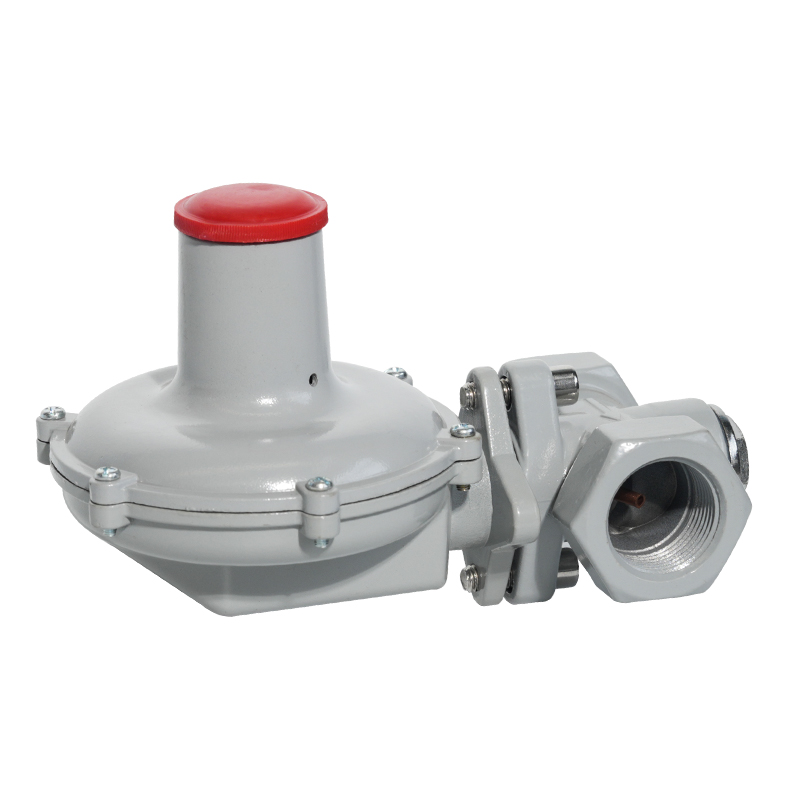
Safety valve gas control pump accessories pressure regulator is a key component in the gas supply system. Its main function is to ensure the stable su...
See Details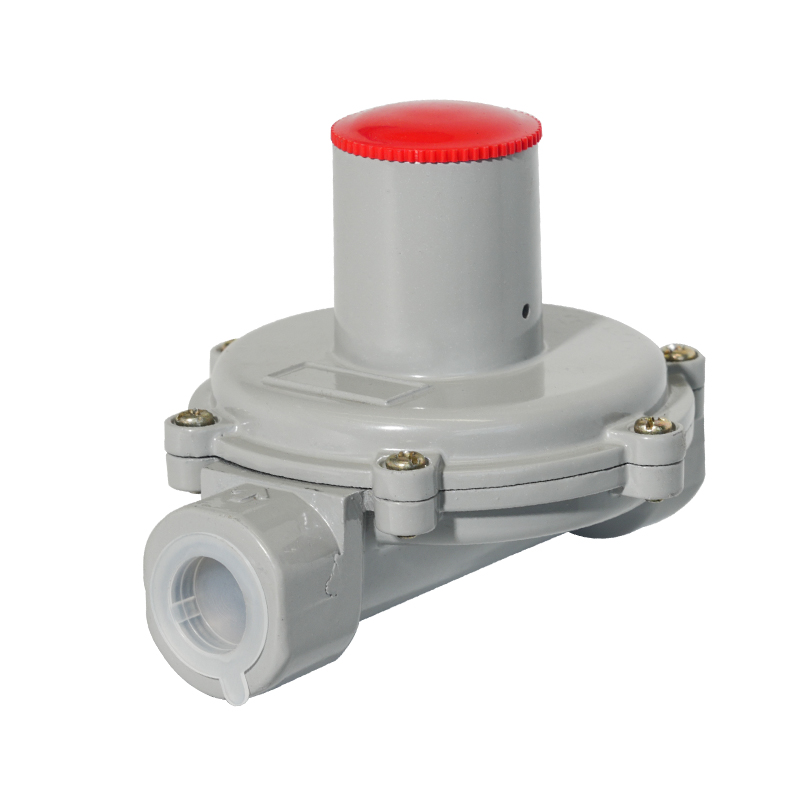
The safety valve natural gas pressure regulator is an important device to ensure the safety of gas use. Its main function is to protect the equipment ...
See Details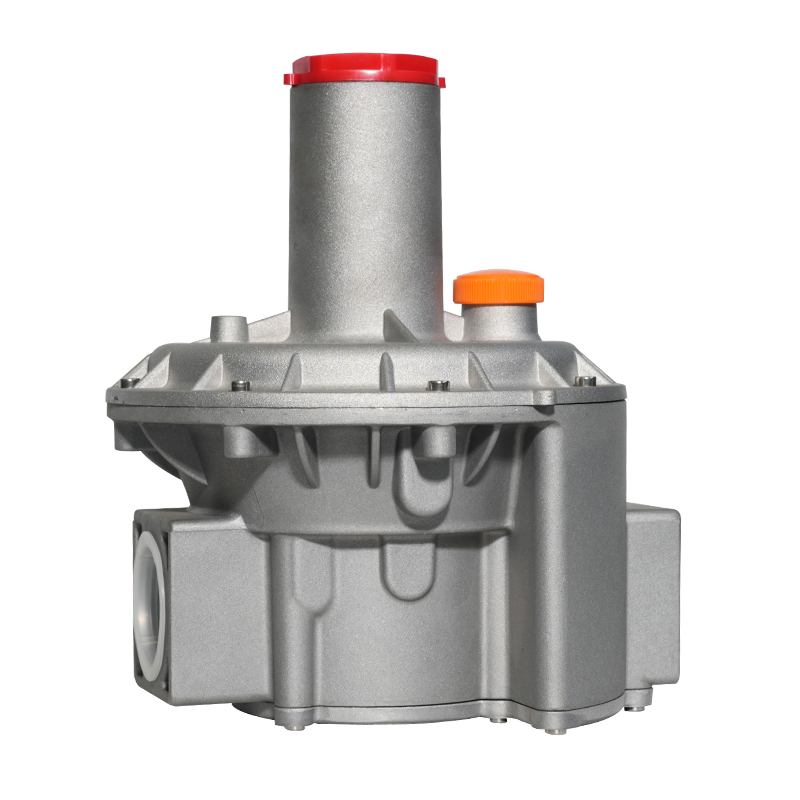
The natural gas pressure regulating valve and gas pipeline pressure regulator are important pipeline system devices, mainly used to adjust and control...
See Details
The company is a manufacturer specializing in gas transmission and +distribution equipment and gas pressure regulators. It is a professional manufacturer integrating the research and development, design, manufacturing, marketing and after-sales service of gas equipment.
Phone: +86 138-5131-2088
Tel: +86 0515-83918669
Email: [email protected]
Add: No. 13, Yongchuang Road, Dazhong Industrial Park, Dafeng District, Yancheng City, Jiangsu Province, China
Copyright © Jiangsu Changrun Intelligent Gas Equipment Co., Ltd All Rights Reserved.
Custom Smart Gas Pressure Regulators Manufacturers, Suppliers
 Login
Login
Contact Us