 English
 русский
 Español
 عربى
عربىPN16 DN50/DN80 flanged ductile iron Y-type strainer
PN16 DN50/DN80 flange ductile iron Y-type filter valve is a flange-connected ductile iron Y-type filter valve. PN16 means the nominal pressure is 1.6M...
See Details


Request a Quote
Content
The operational integrity of any fuel-dependent facility rests upon the precision of its pressure control instrumentation. A Gas Pressure Regulator serves as the fundamental sentinel in vertical and horizontal energy distribution, tasked with the complex job of reducing high-pressure supply from a source to a lower, stable working pressure required by downstream equipment. As of 2026, the global industrial landscape is experiencing a significant shift toward "Smart Infrastructure," where traditional mechanical regulation is being augmented by digital monitoring to prevent catastrophic failures and optimize fuel economy. Whether in a massive manufacturing plant or a sensitive cleanroom laboratory, the ability to maintain a consistent flow despite fluctuations in the inlet supply is what prevents flameouts, overpressure explosions, and equipment fatigue. Engineering a robust gas delivery system today requires more than just a valve; it requires a high-performance regulator designed for specific environmental stressors and flow dynamics.
In heavy industrial sectors such as steel manufacturing and glass production, the volume of gas required to maintain high-temperature processes is immense. A high flow Gas Pressure Regulator for industrial furnace systems must be capable of handling significant cubic-meter-per-hour capacities without suffering from "droop"—the undesirable drop in outlet pressure as flow increases. Modern 2026 furnace designs incorporate high-velocity burners that are extremely sensitive to pressure variations. Consequently, industrial regulators are now engineered with balanced valve designs and high-capacity diaphragms to ensure that the setpoint remains steady, even during the sudden demand spikes typical of batch processing. These units are often built with robust cast-iron or steel bodies to withstand the vibration and thermal cycling common in melt-shop environments.
| Regulator Type | Flow Capacity (SCFH) | Droop Percentage | Application Suitability |
| Standard Utility | Up to 10,000 | 15% - 20% | Small Commercial Boilers |
| High flow Gas Pressure Regulator | 100,000+ | < 5% | Large Industrial Furnaces |
| Pilot-Operated High Flow | 500,000+ | < 2% | Regional Distribution Stations |
Research facilities and analytical laboratories operate on a completely different scale, where even a micro-fluctuation in gas delivery can ruin months of experimental data. Adhering to dual stage Gas Pressure Regulator specifications for laboratory use is the industry standard for high-purity gas delivery. Unlike a single-stage regulator, which sees a gradual increase in outlet pressure as the supply cylinder empties (the "supply pressure effect"), a dual-stage system performs the reduction in two distinct steps. The first stage drops the pressure to an intermediate level, while the second stage provides the final, ultra-stable delivery pressure. This ensures that a Gas Chromatograph (GC) or an Inductively Coupled Plasma (ICP) instrument receives a constant flow from the first p.s.i. of a full cylinder to the last, effectively eliminating the need for constant manual readjustment.
| Specification | Single-Stage Regulator | Dual stage Gas Pressure Regulator |
| Pressure Stability | Fluctuates with Supply | Constant (±0.01 bar) |
| Purity Compatibility | Standard / Industrial | High-Purity / Ultra-High Purity |
| Decanting Range | Limited | Full Cylinder Life Utilization |
For the energy sector's frontier operations, equipment must survive the most aggressive corrosive agents on earth. A corrosion resistant Gas Pressure Regulator for offshore applications is typically constructed from 316L Stainless Steel or exotic alloys like Monel and Hastelloy. These materials are essential for resisting the chloride-induced stress corrosion cracking common in salt-spray environments. In 2025, the International Organization for Standardization released the updated ISO 21207:2025 standard, which mandates more rigorous accelerated corrosion testing for components used in maritime traffic and industrial air pollution zones. Regulators built to these standards feature specialized external coatings and internally lubricated components that prevent "sticking" in humid, high-salinity air, ensuring that emergency relief valves remain operational even after years of exposure on a deepwater platform.
| Material Class | Corrosivity Category (ISO) | Environment Type | Longevity (Estimated) |
| Brass / Aluminum | C1 - C2 | Indoor / Rural Clean Air | 15+ Years |
| Standard Stainless Steel | C3 - C4 | Urban Industrial / Coastal | 10-12 Years |
| Corrosion resistant Gas Pressure Regulator | C5 - CX | Offshore / Chemical Plants | 20+ Years (Certified) |
Safety integration has become a paramount trend in 2026 gas infrastructure. An adjustable Gas Pressure Regulator with safety shut-off valve (SSV) offers a dual-layered defense mechanism that is vital for public buildings, hospitals, and high-risk industrial zones. The shut-off valve acts as an autonomous "Slam-Shut" device; if it detects a pressure spike exceeding a pre-set safety limit—perhaps due to a primary diaphragm failure—it instantly triggers a mechanical latch to seal the gas flow. This happens in milliseconds, far faster than any human operator could respond. These units are often paired with relief valves that "bleed" small overpressure amounts, but the SSV is the ultimate fail-safe that prevents the high-pressure main from entering low-pressure internal piping, effectively neutralizing the risk of explosion or fire.
| Safety Feature | Function | Recovery Protocol |
| Internal Relief Valve | Vents minor overpressure to air | Automatic Reset |
| Safety shut-off valve (SSV) | Complete mechanical flow isolation | Manual Reset (Post-Inspection) |
| Rupture Disc | Ultimate pressure release (Sacrificial) | Component Replacement Required |
For procurement officers in the building services sector, maintaining a competitive edge involves looking beyond the initial ticket price. A wholesale Gas Pressure Regulator price list for HVAC contractors must be evaluated through the lens of Total Cost of Ownership (TCO). In 2026, many "smart" regulators now come equipped with IoT-enabled pressure transducers that relay data to a central building management system. While the upfront cost is higher, these units drastically reduce the frequency of manual "truck rolls" for pressure checks and allow for predictive maintenance. Our company focuses on providing high-volume, certified regulation solutions that balance robust mechanical engineering with the latest in digital connectivity, ensuring that your HVAC systems remain compliant with evolving local safety codes while operating at peak fuel efficiency.
While an industrial Gas Pressure Regulator can last over 15 years, the elastomer components (diaphragms and seals) typically have a service life of 5 to 7 years. In harsh environments, such as those requiring a corrosion resistant Gas Pressure Regulator for offshore applications, annual inspections and preventative maintenance are mandatory to ensure the safety shut-off mechanisms remain functional.
Direct-acting regulators are simpler and faster but suffer from more droop. Pilot-operated regulators use a smaller "pilot" regulator to control the main valve, allowing for the extreme accuracy seen in a high flow Gas Pressure Regulator for industrial furnace systems. They can maintain a nearly flat pressure curve even at 90% of their maximum rated flow.
A dual stage Gas Pressure Regulator specifications for laboratory use is essential because it eliminates "end-of-cylinder" pressure spikes. As a gas tank empties, its internal pressure drops; a single-stage regulator will actually increase its delivery pressure in response, which can damage delicate sensors. The dual-stage design prevents this by stepping the pressure down twice.
An adjustable Gas Pressure Regulator with safety shut-off valve provides a secondary mechanical barrier. If the main regulation diaphragm fails and allows high-pressure gas through, the SSV "slams shut" to protect the building's internal pipes. It requires a manual reset, forcing an inspection to ensure the root cause of the overpressure is found.
Accessing a wholesale Gas Pressure Regulator price list for HVAC contractors allows firms to bid more accurately on large-scale tenders. By sourcing directly from manufacturers, contractors can ensure they are getting 2026-compliant models with the latest safety certifications at margins that support their project profitability.
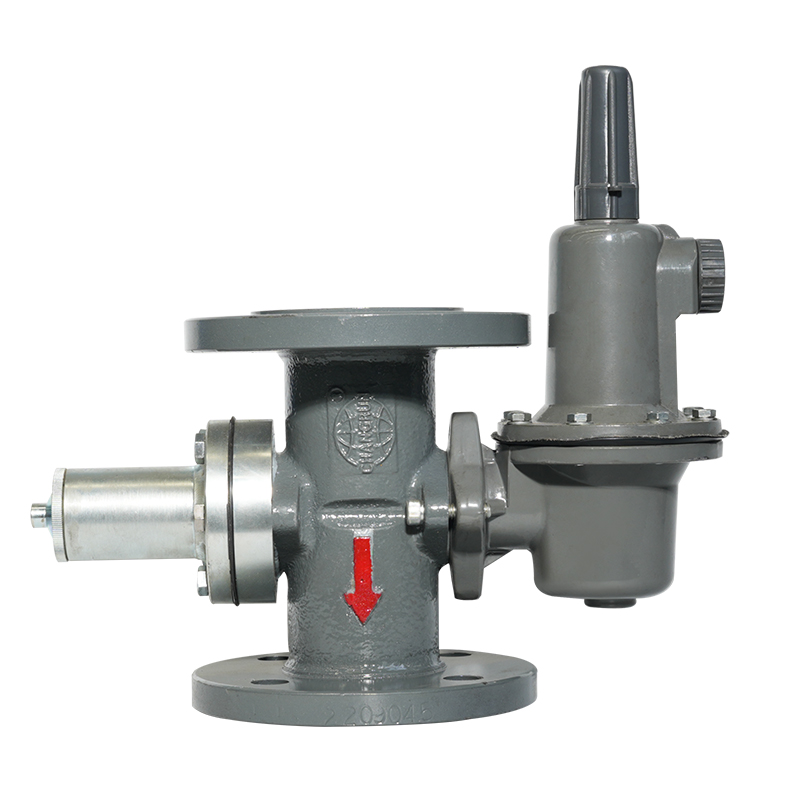
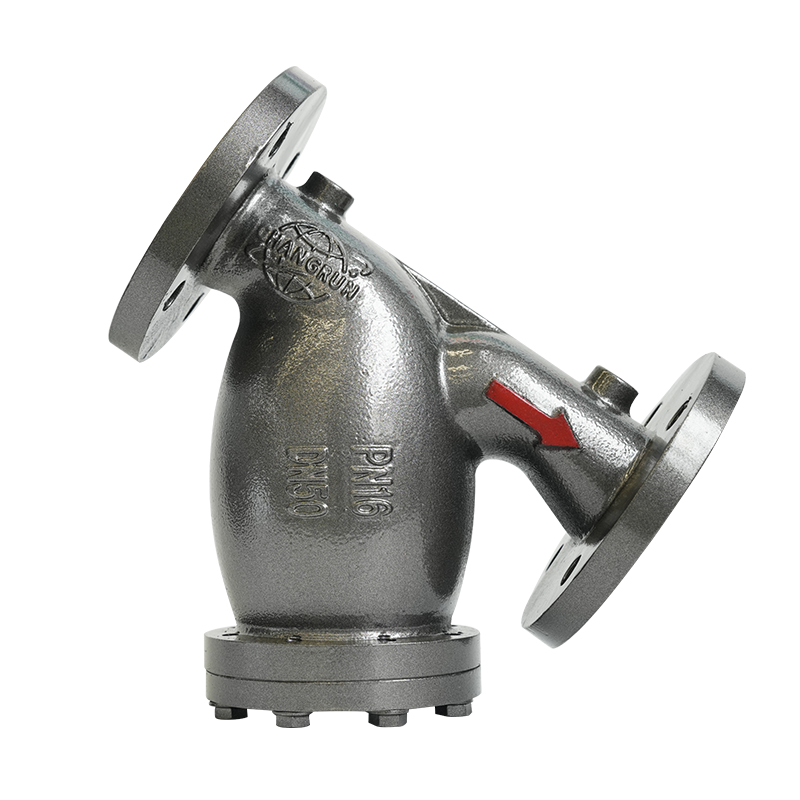
PN16 DN50/DN80 flange ductile iron Y-type filter valve is a flange-connected ductile iron Y-type filter valve. PN16 means the nominal pressure is 1.6M...
See Details
Gas pressure reducing valve for natural gas/liquefied gas/petroleum gas high-pressure regulator is widely used in natural gas, liquefied gas, petroleu...
See Details
Natural gas/LPG gas generator is a device specially used to convert natural gas or LPG into electrical energy. The device connects the engine and the ...
See Details
The company is a manufacturer specializing in gas transmission and +distribution equipment and gas pressure regulators. It is a professional manufacturer integrating the research and development, design, manufacturing, marketing and after-sales service of gas equipment.
Phone: +86 138-5131-2088
Tel: +86 0515-83918669
Email: [email protected]
Add: No. 13, Yongchuang Road, Dazhong Industrial Park, Dafeng District, Yancheng City, Jiangsu Province, China
Copyright © Jiangsu Changrun Intelligent Gas Equipment Co., Ltd All Rights Reserved.
Custom Smart Gas Pressure Regulators Manufacturers, Suppliers
 Login
Login
Contact Us