 English
 русский
 Español
 عربى
عربىNatural gas pressure regulator, gas pipeline pressure regulator
The natural gas pressure regulating valve and gas pipeline pressure regulator are important pipeline system devices, mainly used to adjust and control...
See Details


Request a Quote
Content
Energy companies require reliable systems to extract, process, and transport natural gas from underground reservoirs to end consumers. Gas production equipment provides the engineered infrastructure that enables safe and efficient hydrocarbon recovery across diverse operational environments. Understanding the component specifications, manufacturing standards, and selection criteria helps procurement teams specify equipment that aligns with their field conditions and production targets.
Gas production equipment encompasses the machinery, vessels, and systems used to extract natural gas from subsurface formations, separate impurities, and prepare the product for pipeline transport or further processing. This equipment operates under extreme pressures and temperatures while handling corrosive fluids and abrasive particulates.
The production process begins at the wellhead , where hydrocarbons flow from drilled reservoirs. Raw natural gas contains methane along with heavier alkanes, water vapor, hydrogen sulfide, carbon dioxide, and sometimes helium or nitrogen. Processing equipment removes these contaminants to meet pipeline quality specifications and safety standards .
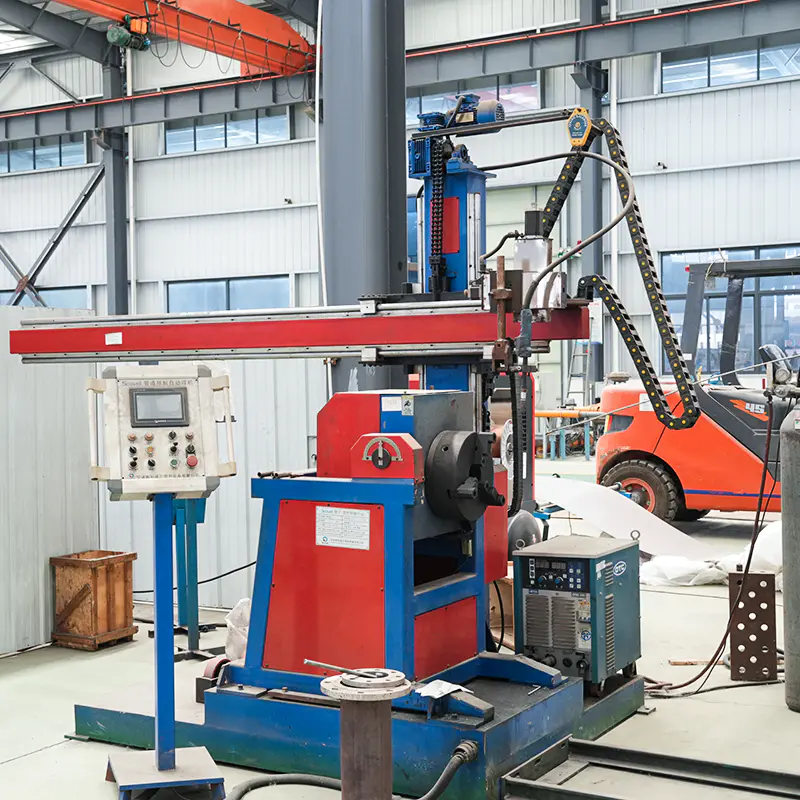
The oil and gas industry organizes operations into three interconnected segments. Upstream gas production equipment handles exploration and production activities, including drilling, well completion, and initial processing. This segment represents the highest-risk, highest-investment phase where value first enters the supply chain.
Midstream equipment bridges production sites and processing facilities, covering transportation via pipeline, ship, rail, and truck, along with storage in tank farms or underground facilities. Downstream operations refine natural gas into consumer products and distribute them to end users.
Each segment requires specialized equipment designed for specific pressure ratings, flow capacities, and environmental conditions. Procurement teams must understand these distinctions to specify appropriate components for their operational scope.
The wellhead assembly forms the critical interface between subsurface reservoirs and surface processing equipment. This system seals the wellbore, supports casing strings, and provides pressure control during both drilling and production phases. Components include casing heads, tubing heads, valves, chokes, and seals rated for specific pressure and temperature conditions
Christmas trees are installed on the wellhead after drilling completion to control hydrocarbon flow. These assemblies contain master valves, wing valves, and choke valves that regulate pressure, control flow rates, and provide emergency shutdown capability. Trees are configured to each well's specific conditions and must handle extreme pressures throughout the well's operational life.
Separators constitute essential oil and gas production equipment components that divide the well stream into constituent phases. Two-phase separators remove gas from liquids, while three-phase units additionally separate oil from water. These vessels use gravity and pressure differentials to achieve separation, with internal weirs, baffles, and mist extractors optimizing efficiency
Gas Production Units (GPUs) represent enclosed skid-mounted systems that regulate well stream flow, pressure, and temperature. These units combine separation, heating, and metering functions in compact packages suitable for remote locations. GPUs typically feature 20 to 4242-inch diameter separators, indirect line heaters, and integrated instrumentation for production monitoring.
The following table presents key upstream gas production equipment components and their functions:
| Equipment Component | Primary Function | Key Specifications | Typical Applications |
|---|---|---|---|
| Wellhead Assembly | Seal wellbore and control flow | API 6A compliance, pressure ratings to 20,000 psi | All production wells |
| Christmas Tree | Regulate production and enable shutdown | Valve configurations per well conditions | Completed wells |
| Two-Phase Separator | Separate gas from liquids | Horizontal or vertical configuration | Gas-dominant wells |
| Three-Phase Separator | Separate gas, oil, and water | Gravity-based separation with weir systems | Oil-dominant wells |
| Heater Treater | Break emulsions and heat process fluids | Indirect or ddirect-fired ASME Section VIII | Heavy oil processing |
| Gas Production Unit | Integrated separation and conditioning | Skid-mounted, 20-42 inch separators | Remote well sites |
| Sand Separator | Remove abrasive particulates | Cyclonic or gravity separation | Sandy formations |
Natural gas processing equipment removes contaminants that would corrode pipelines or fail to meet consumer safety specifications. Dehydration systems eliminate water vapor to prevent hydrate formation and pipeline corrosion. Glycol dehydration units (TEG) circulate triethylene glycol through absorbers that capture moisture from gas streams.
Sweetening processes remove hydrogen sulfide and carbon dioxide through amine treating or solid bed adsorption. These acid gases are toxic and corrosive, requiring removal before pipeline transport. Amine plants circulate alkanolamine solutions that chemically absorb acid gases, which are then stripped and recovered or disposed of through sulfur recovery units.
Compressors increase natural gas pressure for pipeline transport, storage, injection, or processing requirements. Reciprocating compressors suit high-pressure, low-volume applications using positive displacement pistons. Centrifugal compressors handle high-volume throughput using rotating impellers. Rotary screw compressors fill intermediate applications with continuous duty requirements [^54^].
Metering systems measure gas flow for production accounting, custody transfer, and regulatory compliance. Orifice meters with differential pressure transmitters remain common, though ultrasonic and Coriolis meters provide higher accuracy for critical applications. Meter tubes require precise manufacturing tolerances and straight pipe runs to ensure measurementaccuracyc.
The following table details gas production equipment specifications for processing systems:
| Processing Function | Equipment Type | Operating Parameters | Industry Standards |
|---|---|---|---|
| Dehydration | Glycol Contactor (TEG) | Contact temperature 15-50°C, pressure 20-100 bar | API 12J, GPSA Engineering Data Book |
| Acid Gas Removal | Amine Absorber | Amine concentration 15-50%, circulation rate variable | API 12K, NACE MR0175 |
| Compression | Reciprocating/Centrifugal | Discharge pressure 35-200 bar, power 100-5000 kW | API 618, API 617 |
| Separation | Horizontal Separator | Pressure 10-150 bar, temperature -20 to 80°C | API 12J, ASME Section VIII |
| Metering | Orifice/Ultrasonic | Accuracy ±0.5% to ±2.0%, turndown ratio 10:1 | AGA Report 3, API MPMS |
| Heating | Indirect Line Heater | Duty 0.5-10 MW, coil pressure to 200 bar | API 12K, ASME Section VIII |
Gas production equipment manufacturers must comply with rigorous industry standards to ensure safety and reliability. The American Society of Mechanical Engineers (ASME) Boiler and Pressure Vessel Code Section VIII governs pressure vessel design, fabrication, and inspection. Manufacturers holding ASME U, S, and R stamps demonstrate compliance with these requirements.
API standards provide additional specifications for oilfield equipment. API 6A covers wellhead and Christmas tree equipment, API 12J addresses oil and gas separators, and API 12K specifies indirect-type oilfield heaters. These standards define material requirements, pressure ratings, testing procedures, and quality control measures.
Process piping must comply with ASME B31.3 for chemical plant and petroleum refinery piping, ensuring safe handling of high-pressure hydrocarbons. Third-party inspection by certified agencies provides independent verification of compliance before equipment shipment.
Modern gas production equipment increasingly utilizes modular skid-mounted configurations. These designs integrate multiple components onto steel skids in controlled manufacturing facilities, then transport complete units to field locations. Benefits include reduced field installation time, improved quality control, and minimized on-site fabrication hazards
Modular production equipment allows rapid deployment to remote locations and easy relocation between well sites. Interchangeable components enable customization to specific production demands. Factory testing in controlled environments ensures system integrity before field delivery, reducing commissioning time and startup risks .
Leading manufacturers have delivered equipment to major oil and gas producers worldwide, with some facilities producing over 3,000 vessels annually. The largest manufacturing operations serve major shale plays i, including the Marcellus and Utica formations, in the northeastern United States.
Procurement teams must specify equipment rated for maximum anticipated operating conditions plus safety margins. Wellhead equipment typically requires ratings from 3,000 to 20,000 psi, depending on reservoir pressure. Separators and processing vessels operate at lower pressures but must accommodate upset conditions and future field pressure declines.
Temperature ratings affect material selection and design stress levels. Equipment handling high-temperature fluids requires alloy steels rather than carbon steel to maintain structural integrity. Cryogenic applications such as LNG processing demand specialized materials, including 9% nickel steel or aluminum alloy.
Material selection directly impacts equipment longevity in corrosive environments. Standard carbon steel suffices for sweet gas service with minimal contaminants. Sour gas containing hydrogen sulfide requires compliance with NACE MR0175 for sulfide stress cracking resistance, often mandating stainless steel or nickel alloys.
Offshore and subsea applications demand materials resistant to seawater corrosion and fatigue. Subsea production syste , including trees, manifolds, and flowlines, must endure extreme deepwater pressures exceeding 2,000 meters depth while handling corrosive production fluid.
Procurement specifications should include:
Upstream gas production equipment includes wellhead assemblies, Christmas trees, separators, heater treaters, compressors, and metering systems. Wellheads seal the wellbore and control flow, while Christmas trees regulate production through valve assemblies. Separators divide well streams into gas, oil, and water phases. Additional components include sand separators, flow lines, and storage tanks. These systems work together to extract hydrocarbons safely and prepare them for transport or further processing.
Gas production equipment specifications must address pressure ratings, temperature ranges, material compatibility, and compliance standards. Pressure vessels require ASME Section VIII certification with U or S stamps. Wellhead equipment should meet API 6A standards. Separators need API 12J compliance. Buyers should specify maximum operating pressure, design temperature range, corrosion allowances, and material grades. Additional considerations include skid-mounting requirements, instrumentation packages, and integration with existing SCADA systems.
Natural gas processing equipment removes contaminants through multiple stages. Dehydration systems using triethylene glycol (TEG) eliminate water vapor to prevent hydrate formation. Amine treating units remove hydrogen sulfide and carbon dioxide through chemical absorption. Separators remove liquid hydrocarbons and water using gravity separation. Filters and scrubbers extract solid particulates and liquid droplets. Compression systems may include aftercoolers to condense remaining moisture. Each stage targets specific contaminants to produce pipeline-quality gas meeting safety and commercial specifications
Reputable gas production equipment manufacturers should hold ASME certification for pressure vessel fabrication i,ncluding U, S and R stamps. API licenses for specific equipment categories su ch as API 6A (wellheads), API 12J (separators), and API 12K (heaters), demonstrate compliance with industry standards. ISO 9001 quality management certification ensures consistent manufacturing processes. NACE compliance for sour service equipment indicates materials suitable for corrosive environments. Third-party inspection agency approvals from organizations such as TUV, Lloyd's Register, or Bureau Veritas provide additional quality assurance.
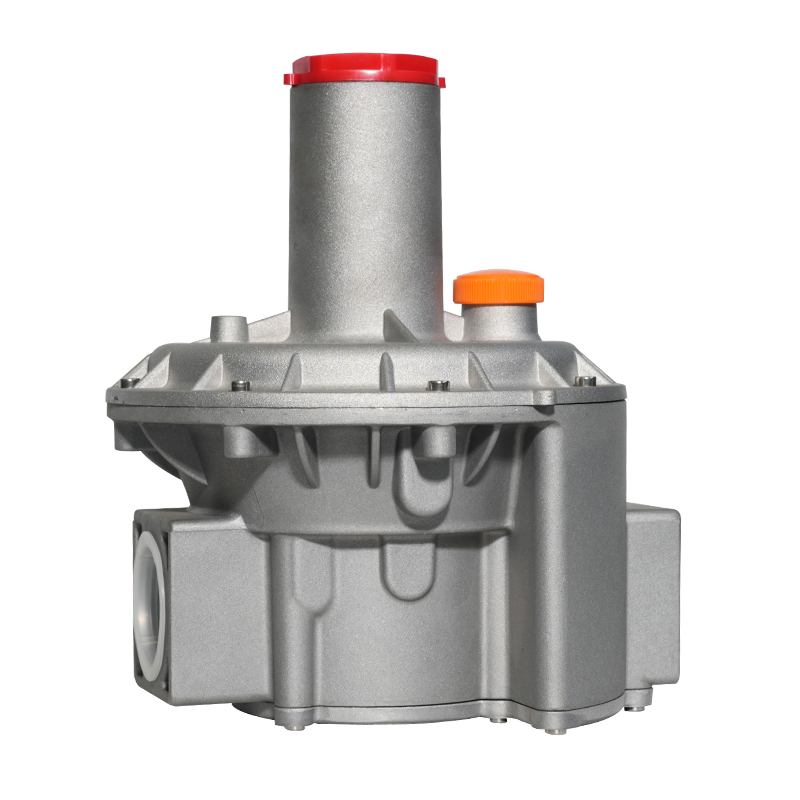
The natural gas pressure regulating valve and gas pipeline pressure regulator are important pipeline system devices, mainly used to adjust and control...
See Details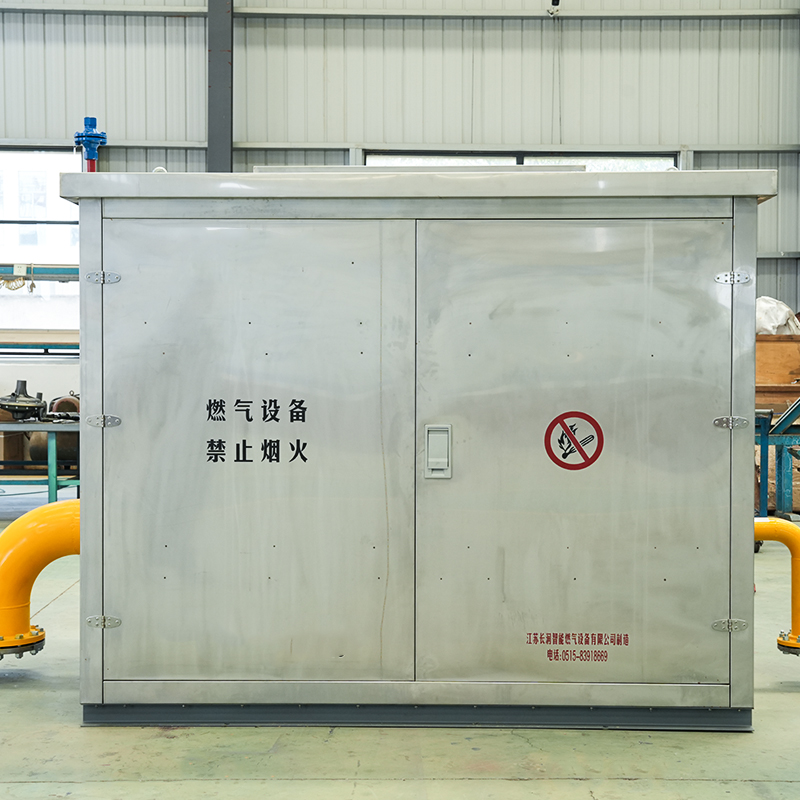
The stainless steel gas pressure regulating cabinet, and gas pressure regulating box are mainly made of high-strength stainless steel, and the outer s...
See Details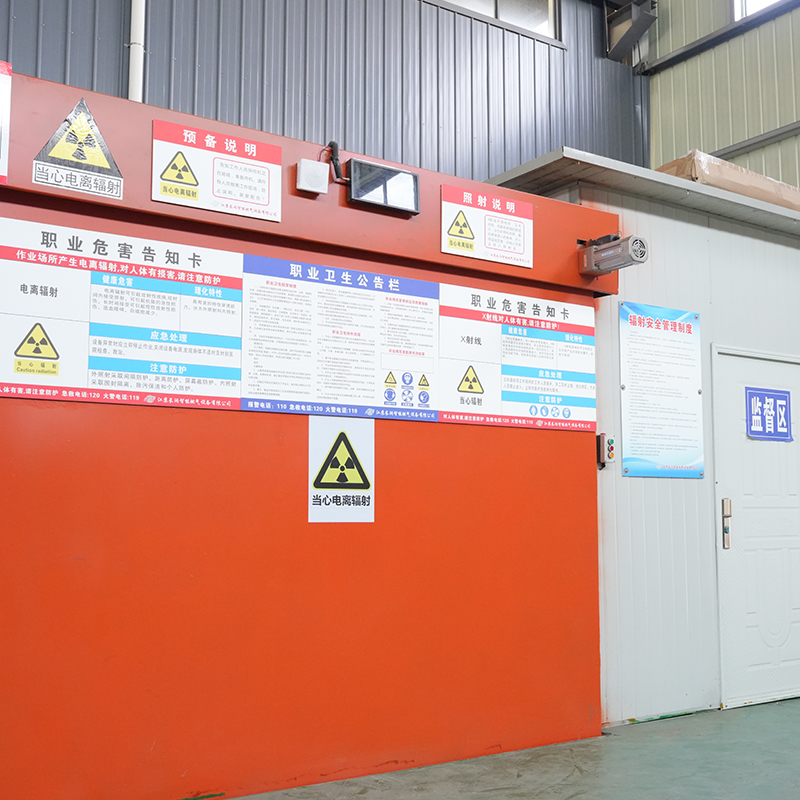
X-ray flaw detection room is a place specially used for X-ray flaw detection. It is equipped with X-ray industrial flaw detectors for non-destructive ...
See Details
The company is a manufacturer specializing in gas transmission and +distribution equipment and gas pressure regulators. It is a professional manufacturer integrating the research and development, design, manufacturing, marketing and after-sales service of gas equipment.
Phone: +86 138-5131-2088
Tel: +86 0515-83918669
Email: [email protected]
Add: No. 13, Yongchuang Road, Dazhong Industrial Park, Dafeng District, Yancheng City, Jiangsu Province, China
Copyright © Jiangsu Changrun Intelligent Gas Equipment Co., Ltd All Rights Reserved.
Custom Smart Gas Pressure Regulators Manufacturers, Suppliers
 Login
Login
Contact Us