 English
 русский
 Español
 عربى
عربىSafety valve gas control pump accessories pressure regulator
Safety valve gas control pump accessories pressure regulator is a key component in the gas supply system. Its main function is to ensure the stable su...
See Details


Request a Quote
Content
Selecting the right gas production equipment requires understanding your operational scale, gas type, and regulatory environment. Many buyers focus only on capacity ratings. They overlook maintenance requirements, safety compliance, and total lifecycle costs. This guide examines gas production equipment from an engineering perspective. It helps you make informed procurement decisions.
Jiangsu Changrun Intelligent Gas Equipment Co., Ltd. operates as a professional manufacturer in the gas equipment sector. The company covers 10,000 square meters. It holds registered capital of 50 million yuan. Total assets reach 200 million yuan. Annual production exceeds 10,000 units. Sales revenue surpasses 100 million yuan. The company integrates research and development, design, manufacturing, marketing, and after-sales service. It employs over 30 staff members. Technical personnel comprise 56% of the workforce. The company maintains 9 departments. These include technical, product development, process, production, supply, quality inspection, and marketing departments. It operates 5 large processing workshops. Advanced design technology supports operations. AutoCAD computer-aided design enables precision engineering. CNC processing equipment ensures fine manufacturing standards. Products meet or exceed national and international standards. The market extends nationwide.
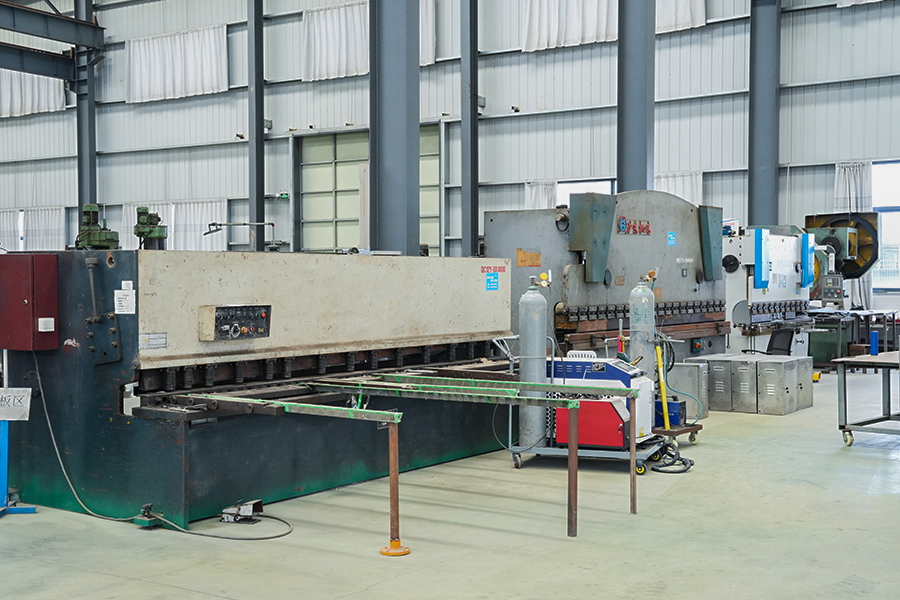
Modern gas production systems integrate multiple functional modules. These systems generate, purify, compress, and distribute gases. Industrial applications include nitrogen generation, hydrogen production, oxygen separation, and synthetic gas manufacturing. Each application demands specific pressure ratings, purity levels, and flow capacities.
Core system components include:
Component selection directly impacts system reliability. Compressors represent 25-35% of capital cost. They consume 60-70% of operational energy. Pressure vessels require certified fabrication. Control systems determine automation capability and safety response times.
Material selection varies by gas type:
Modular gas production equipment small scale configurations offer distinct advantages over traditional centralized systems. Modular units arrive pre-assembled and pre-tested. Installation time reduces by 40-60%. Commissioning periods shrink from months to weeks.
Modular systems suit operations with:
Standardized modules connect through defined interfaces. Process piping uses flanged or welded connections. Control systems integrate via standardized protocols. This standardization simplifies expansion and maintenance.
Modular architecture enables linear capacity expansion. Adding parallel units doubles capacity. It does not require building expansion or utility upgrades. Each module typically handles 100-500 Nm³/h for nitrogen or 50-200 Nm³/h for hydrogen. Users match installed capacity to actual demand. They avoid oversizing common in traditional plant design.
Scaling comparison between modular and traditional approaches:
| Scaling Factor | Modular System Approach | Traditional Plant Approach |
| Initial Capacity | 1-2 modules (100-500 Nm³/h) | Fixed design (500-2000 Nm³/h) |
| Expansion Method | Add parallel modules | Major equipment replacement |
| Capital Timing | Spend as demand grows | Full investment upfront |
| Installation Downtime | Minimal (hot-swappable) | Weeks to months |
| Footprint Flexibility | High (skid-mounted) | Low (permanent structures) |
| Relative Cost 10 Years | 1.0 (baseline optimized) | 1.3-1.5x (oversizing penalty) |
Jiangsu Changrun applies modular principles to pressure regulation and gas treatment equipment. Their LNG gasification skids use standardized frame dimensions. Pressure reducing skids accommodate 100-5000 Nm³/h flow ranges through parallel regulator configurations. This modular approach extends to their SCADA-compatible control systems. Customers specify required capacity. Jiangsu Changrun configures standard modules. Delivery times remain short. Custom engineering applies only to interface adaptations.
Portable gas generation equipment rental serves specific operational scenarios. Rental eliminates capital expenditure. It shifts costs to operating budgets. This benefits short-term projects, pilot trials, and seasonal operations.
Rental proves optimal when:
Rental agreements typically include maintenance. Suppliers handle preventive service. They provide emergency response. This reduces customer technical staffing requirements.
Portable equipment requires specific design features. Skid-mounted frames fit standard truck trailers. Lifting points accommodate crane placement. Utility connections use quick-disconnect fittings. Control panels withstand outdoor exposure.
Weight and dimension constraints apply:
Financial comparison requires total cost evaluation over project life:
| Cost Element | Rental (24 months) | Purchase (10-year life) |
| Initial Outlay | $0 (deposit only) | $150,000-500,000 |
| Monthly Cost | $8,000-25,000 | N/A |
| 24-Month Total | $192,000-600,000 | Capital plus maintenance |
| Maintenance | Included in rental | $15,000-50,000/year |
| Residual Value | N/A | $30,000-100,000 |
| Break-Even Point | 36-48 months typically | Ownership after break-even |
Rental becomes cost-prohibitive for long-term operations. Purchase pays back within 3-4 years for continuous 24/7 operations.
Industrial gas production equipment maintenance strategies divide into two philosophies. Preventive maintenance schedules interventions before failure. Reactive maintenance repairs equipment after breakdown. Data shows preventive approaches reduce total maintenance costs by 25-40%. They increase equipment availability from 85% to 95%.
Preventive maintenance includes:
Reactive maintenance costs more. Emergency repairs require overtime labor. Rush parts shipping adds expense. Production losses during unplanned outages often exceed repair costs.
Pressure equipment demands specific inspection protocols. Regulatory bodies mandate external inspections annually. Internal inspections occur every 3-5 years depending on service severity.
Critical inspection areas include:
Jiangsu Changrun maintains comprehensive after-sales service. Their quality policy emphasizes "quality first, customer first, honest service, continuous improvement." The company established eight control procedures. These cover document control, quality records, procurement, and non-conformity management. Their technical service team supports installed equipment. They provide preventive maintenance programs. They stock critical spare parts. Response times align with customer operational requirements. Service agreements customize to specific equipment types and operational intensity.
Custom gas production equipment engineering addresses unique process requirements. Standard equipment suits common applications. Custom designs handle unusual gas compositions, extreme pressures, or integration with existing proprietary systems.
Decision factors favoring custom design:
Custom engineering adds 15-30% to equipment cost. It extends delivery schedules by 8-16 weeks. However, it eliminates compromise in operational performance.
Custom projects follow structured development phases:
Effective collaboration requires clear technical communication. Process data sheets define inlet conditions. Performance guarantees establish acceptance criteria. Interface drawings ensure site compatibility.
Jiangsu Changrun utilizes AutoCAD computer-aided design. This enables precise 3D modeling of complex skid arrangements. Piping stress analysis integrates with structural design. Interference checking prevents field installation conflicts. CNC processing equipment translates digital models directly to manufacturing instructions. This digital thread reduces errors. It accelerates custom project delivery. Design iterations occur rapidly. Customer approval drawings generate efficiently.
Gas production equipment safety compliance standards vary by region. The European Union applies the Pressure Equipment Directive (PED) 2014/68/EU. The United States follows ASME Boiler and Pressure Vessel Code Section VIII. China implements GB150 and related standards. Many countries adopt ISO standards as national codes.
Common compliance themes include:
PED categorizes equipment by pressure, volume, and fluid hazard. Categories I through IV apply increasing conformity assessment requirements. Gas production equipment typically falls in Categories II or III. Notified Bodies must assess Category III and IV equipment.
PED compliance steps include:
Certification marks minimum compliance. Leading manufacturers exceed requirements. Jiangsu Changrun implements modern management modes. They target customer satisfaction. Their quality system covers the full product realization process. Management responsibility is clearly defined. Resource management ensures adequate personnel and equipment. Measurement and analysis drive continuous improvement. They passed ISO9001 certification. They passed ISO14001 environmental certification. Their products carry EU CE marking. They achieved US UL flame retardant certification. They passed ROHS6 environmental testing. These multiple certifications demonstrate comprehensive quality commitment.
Supplier evaluation requires technical due diligence. Request documentation of:
Site audits reveal actual capabilities. Review welding procedures. Inspect NDE records. Examine material traceability systems. These verify that documented procedures match shop floor practices.
Jiangsu Changrun offers vertically integrated manufacturing. They maintain 5 large processing workshops. They employ advanced CNC equipment. They perform fine processing in-house. This integration controls quality. It reduces lead times. It enables custom engineering responsiveness.
Their product range demonstrates comprehensive capability:
This breadth enables system integration. Single-source responsibility applies. Interface compatibility is assured. After-sales service covers complete installations.
Calculate your peak demand plus 15-20% margin. Consider future expansion within 5 years. For fluctuating demand, modular equipment allows capacity matching. Oversized equipment wastes energy and increases maintenance. Undersized equipment causes production bottlenecks. Jiangsu Changrun engineers can assist with demand profiling and capacity optimization.
Inspect external condition monthly. Check set pressure quarterly. Replace seals and inspect internals annually. Overhaul completely every 3-5 years depending on service severity. Dirty gas streams require more frequent attention. Jiangsu Changrun provides maintenance schedules specific to their regulator models and your gas conditions.
Custom engineering pays off when standard equipment compromises performance, safety, or integration. For common applications, standard designs offer proven reliability and faster delivery. Evaluate custom needs against: purity requirements, pressure/temperature extremes, space constraints, and integration complexity. Jiangsu Changrun provides both standard and custom solutions. They recommend the most cost-effective approach for each application.
Minimum requirements include pressure vessel certification (ASME, PED, or GB150 depending on market) and ISO 9001 quality system certification. For international markets, CE marking enables European trade. UL certification supports North American acceptance. Environmental certifications like ISO 14001 demonstrate responsible manufacturing. Jiangsu Changrun holds comprehensive certifications covering these requirements.
Standard modular skids deliver in 8-12 weeks. Custom engineered equipment requires 16-24 weeks depending on complexity. Jiangsu Changrun's integrated manufacturing with 5 workshops and CNC capabilities supports reliable delivery schedules. Their technical department, product development department, and process department collaborate to maintain schedule commitments. Early engagement in the design phase helps optimize both technical outcomes and delivery timing.
Selecting appropriate gas production equipment requires systematic evaluation of technical requirements, operational constraints, and supplier capabilities. Modular gas production equipment small scale configurations offer flexibility for growing operations. Portable gas generation equipment rental serves temporary needs without capital commitment. Industrial gas production equipment maintenance strategies significantly impact lifecycle costs and reliability. Custom gas production equipment engineering addresses unique process demands. Gas production equipment safety compliance standards ensure regulatory acceptance and operational safety. Jiangsu Changrun Intelligent Gas Equipment Co., Ltd. provides comprehensive solutions across these categories. Their integrated manufacturing, certified quality systems, and technical expertise support informed procurement decisions.
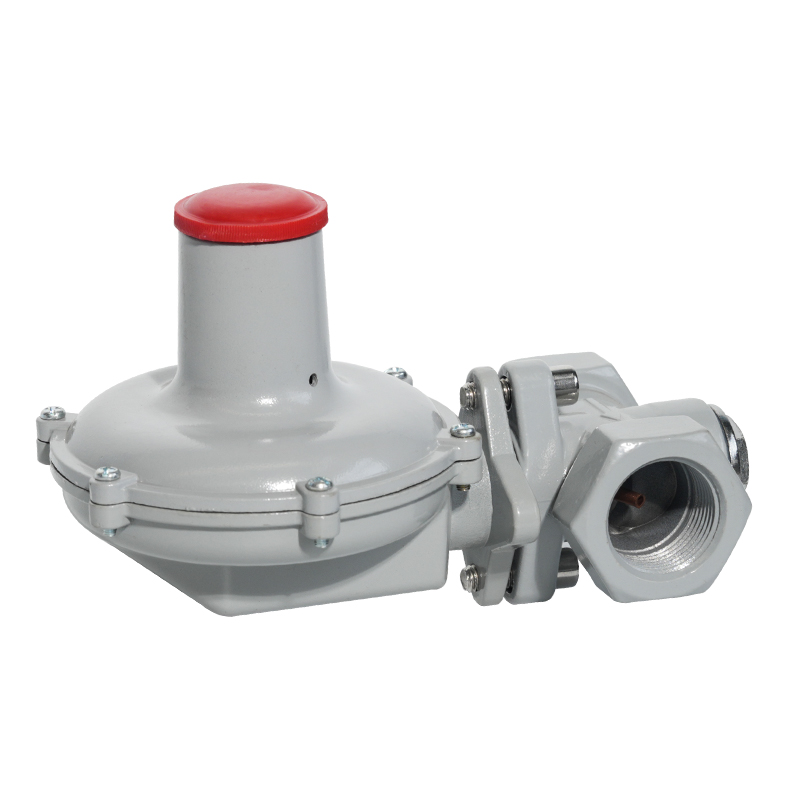
Safety valve gas control pump accessories pressure regulator is a key component in the gas supply system. Its main function is to ensure the stable su...
See Details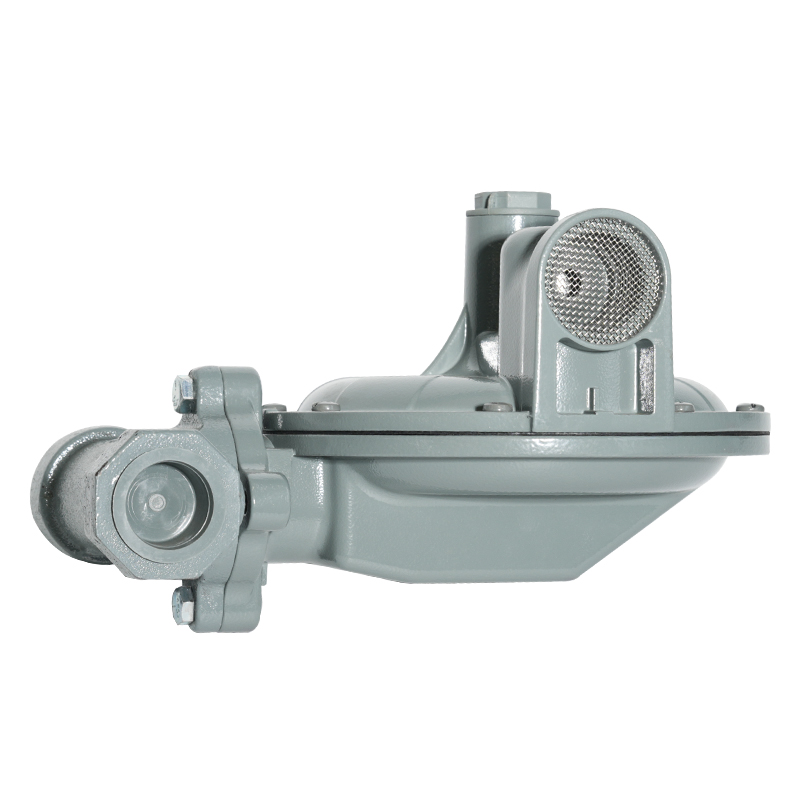
Safety valve gas control pump accessories pressure regulator is an indispensable key component in the gas system. As a protective device, the safety v...
See Details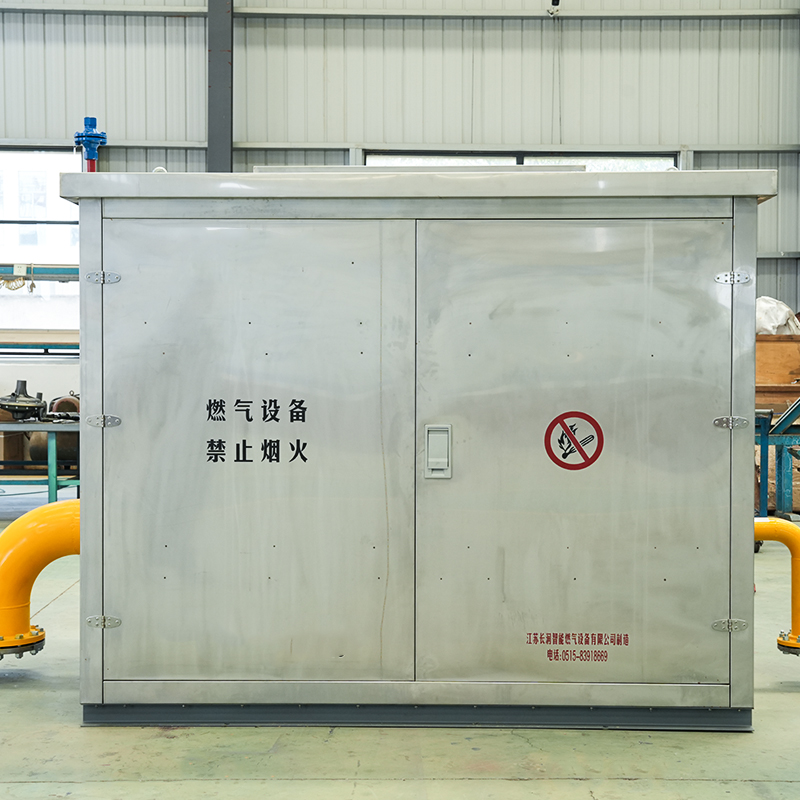
The stainless steel gas pressure regulating cabinet, and gas pressure regulating box are mainly made of high-strength stainless steel, and the outer s...
See Details
The company is a manufacturer specializing in gas transmission and +distribution equipment and gas pressure regulators. It is a professional manufacturer integrating the research and development, design, manufacturing, marketing and after-sales service of gas equipment.
Phone: +86 138-5131-2088
Tel: +86 0515-83918669
Email: [email protected]
Add: No. 13, Yongchuang Road, Dazhong Industrial Park, Dafeng District, Yancheng City, Jiangsu Province, China
Copyright © Jiangsu Changrun Intelligent Gas Equipment Co., Ltd All Rights Reserved.
Custom Smart Gas Pressure Regulators Manufacturers, Suppliers
 Login
Login
Contact Us