 English
 русский
 Español
 عربى
عربىHigh pressure regulating valve, gas pressure regulating valve, pressure regulator
Safety valve gas control pump accessories pressure regulator is an indispensable key component in the gas system. As a protective device, the safety v...
See Details


Request a Quote
Content
In industrial heating, processing, and power generation, the reliability of the entire system often depends on a single component. Gas parts—including valves, regulators, burners, and fittings—must operate with precision under continuous stress. For procurement engineers and facility managers, selecting these components involves more than matching dimensions. It requires a deep understanding of material compatibility, certification standards, and flow dynamics. This article provides a technical examination of critical gas system components to support informed B2B purchasing decisions.
Gas handling systems demand components that maintain integrity under pressure, resist corrosion, and provide precise flow control. A failure in any gas parts assembly can result in unsafe conditions, production downtime, or regulatory violations. Engineers evaluate these components based on maximum operating pressure, temperature range, material composition, and certification to recognized standards such as ANSI, ASME, CSA, or EN.
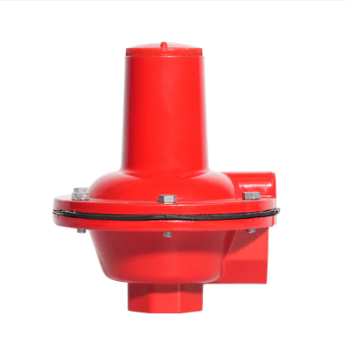
A complete gas train typically includes a manual shut-off valve, sediment trap, pressure regulator, safety shut-off valves, and a burner assembly. Each component serves a specific function within the safety and control hierarchy. The selection process must ensure that all components are compatible in terms of pressure ratings, connection types, and flow capacity. Mismatched components can lead to pressure drops, erratic burner performance, or unsafe operating conditions.
Engineering professionals and procurement specialists use specific search terms when sourcing gas system components. The following five long-tail keywords represent high-intent queries from technical buyers.
Industrial burners require components specifically rated for natural gas applications. Natural gas parts for industrial burners include gas valves with high turn-down ratios, flame supervision systems, and precision orifices. Engineers must verify that gas valves meet UL 429 or CSA 6.5 standards for safety shut-off applications. The valve response time, typically measured in milliseconds, is critical for safety systems that must interrupt gas flow upon flame failure detection.
Pressure regulators are among the most frequently serviced components in gas systems. A gas pressure regulator parts replacement kit typically includes diaphragms, seat discs, springs, and O-rings. Regulator diaphragms are manufactured from materials such as nitrile rubber (NBR) for natural gas or fluorocarbon (FKM) for propane applications. Replacement intervals are determined by the regulator manufacturer based on service hours or environmental conditions. Using non-OEM specification components in replacement kits can alter the regulator's set point accuracy and lock-up pressure characteristics.
HVAC systems use gas valves that combine pressure regulation and safety shut-off functions. Commercial gas valve parts for HVAC systems must meet specific inlet pressure ratings, typically up to 5 psi for commercial applications. These valves incorporate redundant safety features, including dual solenoid operators and proof-of-closure switches. The valve's flow coefficient (Cv) must be calculated based on the BTU load of the connected equipment to ensure proper gas supply without excessive pressure drop.
Outdoor gas appliances require components rated for exposure to weather and temperature variations. Gas fire pit parts replacement includes control valves, ignition systems, and burner assemblies designed for outdoor service. These components typically carry IP (Ingress Protection) ratings such as IP66, indicating resistance to dust and water jets. Valve systems for fire pits often include remote control capabilities and must comply with ANSI Z21.97 standards for outdoor decorative gas appliances.
Portable and stationary gas grills require flexible connections that maintain safety under movement and weather exposure. Gas grill parts, ts regulator, and hose assembly components must meet UL 569 or CSA 8.1 standards for rubber hose and regulator assemblies. The regulator must maintain a consistent outlet pressure, typically 11 inchesof water column for propane, across varying inlet pressures and flow rates. Hose assemblies should be replaced every 5 to 10 years based on manufacturer recommendations and visible signs of cracking or weathering.
Selecting the correct valve type is essential for system safety and efficiency. The table below compares key technical parameters across common gas valve categories.
| Valve Type | Typical Pressure Rating | Safety Certifications | Primary Applications | Key Design Features |
|---|---|---|---|---|
| Solenoid Safety Shut-Off | 0.5 to 5 psi | UL 429, CSA 6.5 | Industrial burners, boilers | Fail-safe closed, fast response, redundant coils |
| Diaphragm Regulator | Up to 10 psi inlet | UL 144, CSA 6.8 | Commercial HVAC, appliance supply | Spring-loaded diaphragm, lock-up feature, vent limiting |
| Ball Valve (Manual) | Up to 600 psi WOG | ASME B16.34, API 607 | Isolation, maintenance shut-off | Quarter-turn operation, full port design, fire-safe rating |
| Butterfly Control Valve | Up to 150 psi | ANSI Class 150, ISO 5208 | Modulating burner control | Disc-type flow control, position feedback available |
| Zero Governor (Atmospheric) | 0.5 to 2 psi inlet | ANSI Z21.18, CSA 6.3 | Premix burners, atmospheric appliances | Maintains zero differential pressure, air-gas mixing |
The materials used in gas parts directly affect service life and safety margins. For natural gas and propane applications, components must resist corrosion from moisture and sulfur compounds present in the gas stream.
For B2B procurement, verifying certifications is non-negotiable. Gas parts must carry recognized safety certifications to satisfy insurance requirements and building codes.
North American markets require CSA or UL certification for gas components. European markets require CE marking with compliance to EN 161 (automatic shut-off valves) or EN 88 (pressure regulators). The certification label must match the gas type (natural gas or propane) and the pressure rating of the application. Procurement documentation should include certificates of conformance and, for critical applications, third-party test reports validating flow characteristics and closure performance.
Proper installation practices significantly influence the service life of gas system components. Engineers should specify installation requirements, including proper thread sealants, piping support, and accessibility for service.
Valve sizing is based on the required flow capacity, expressed as the Cv (flow coefficient) value. The Cv represents the flow of water in gallons per minute at 60°F with a 1 psi pressure drop. For gas applications, the required Cv is calculated using the gas specific gravity, inlet pressure, pressure drop across the valve, and the required BTU load. Manufacturers provide sizing charts for each valve series. Selecting an undersized valve causes excessive pressure drop and reduced equipment capacity, while an oversized valve may cause poor control at low firing rates.
A safety shut-off valve is designed for on-off service with a primary function of stopping gas flow upon safety circuit interruption. These valves are certified to UL 429 or EN 161 and must demonstrate tight shut-off and reliable closure within specified response times. A control valve, or modulating valve, is designed to adjust gas flow proportionally to a control signal, maintaining precise burner output. Some systems use separate valves for safety shut-off and control functions, while combination valves integrate both functions in a single body.
Replacement intervals depend on the component type, operating conditions, and manufacturer recommendations. Pressure regulator diaphragms typically require inspection or replacement every 5 to 10 years, depending on service conditions and the presence of contaminants in the gas stream. Solenoid valves have cycle life ratings ranging from 100,000 to 500,000 operations. For critical applications, a preventive maintenance schedule should include periodic leak testing, lock-up pressure verification for regulators, and valve cycling tests. Components exposed to outdoor weather or corrosive environments require more frequent inspection.
Procurement professionals should request the following documentation: product certification labels (CSA, UL, CE) confirming compliance for the specific gas type and application; certificates of conformance stating that the components meet applicable standards; dimensional drawings for installation planning; flow characteristic curves for control valves; and, for critical applications, third-party inspection reports or hydrostatic test records. For replacement parts, request the manufacturer's recommended service interval and installation torque specifications to ensure proper field installation.
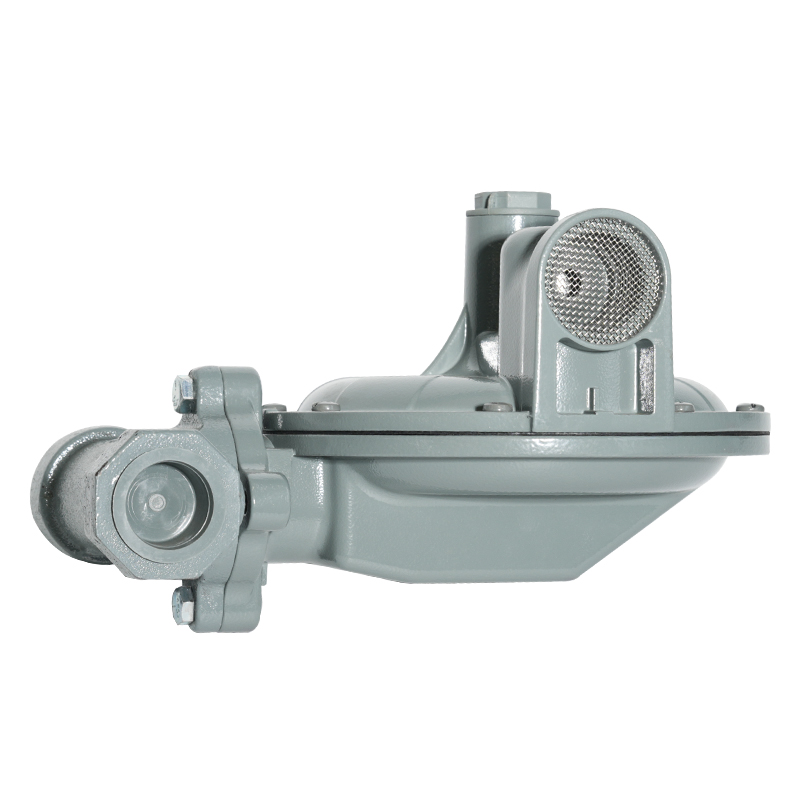
Safety valve gas control pump accessories pressure regulator is an indispensable key component in the gas system. As a protective device, the safety v...
See Details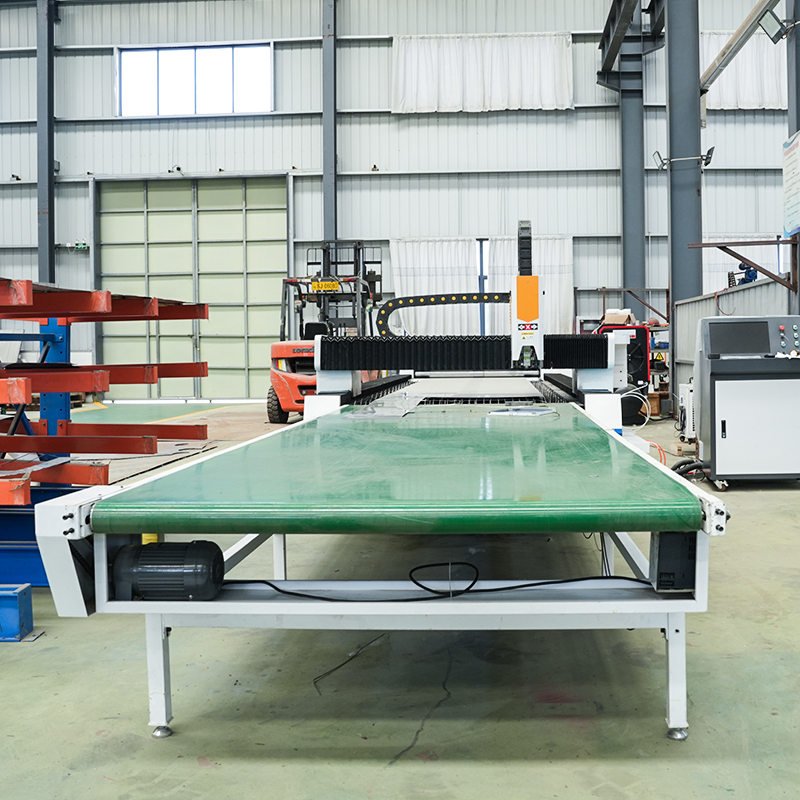
The leveling laser cutting machine is an advanced device that combines the leveling and laser cutting functions. It uses a high-precision laser beam f...
See Details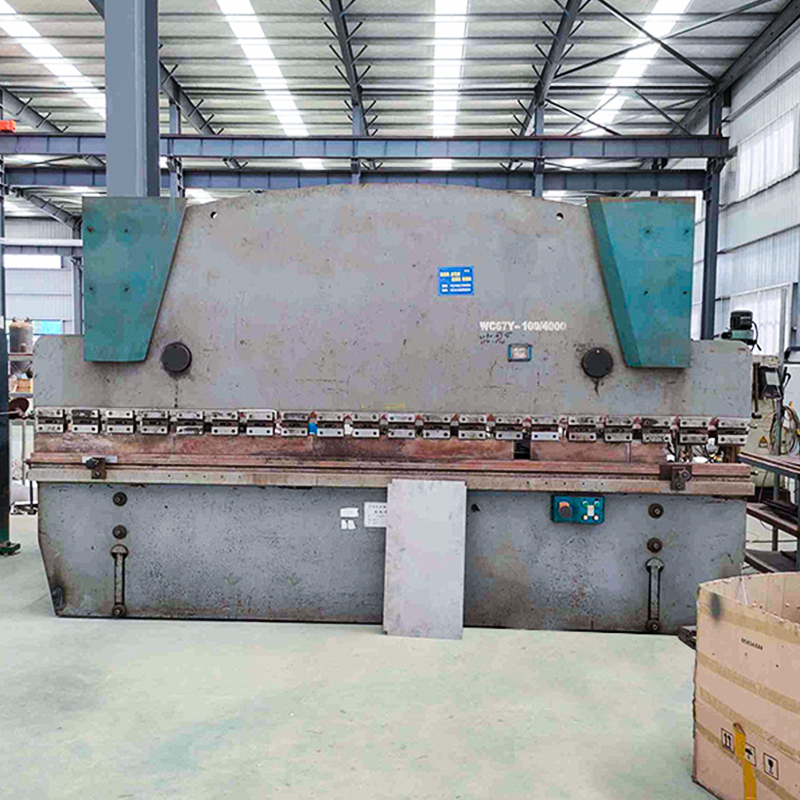
A liquefaction plant is a device that converts gas into liquid, especially in the production of liquefied natural gas (LNG). LNG plant specifically re...
See Details
The company is a manufacturer specializing in gas transmission and +distribution equipment and gas pressure regulators. It is a professional manufacturer integrating the research and development, design, manufacturing, marketing and after-sales service of gas equipment.
Phone: +86 138-5131-2088
Tel: +86 0515-83918669
Email: [email protected]
Add: No. 13, Yongchuang Road, Dazhong Industrial Park, Dafeng District, Yancheng City, Jiangsu Province, China
Copyright © Jiangsu Changrun Intelligent Gas Equipment Co., Ltd All Rights Reserved.
Custom Smart Gas Pressure Regulators Manufacturers, Suppliers
 Login
Login
Contact Us