 English
 русский
 Español
 عربى
عربىFully automatic gas shielded welding machine
The fully automatic gas shielded welding machine is an automatic welding equipment based on advanced control technology. It combines motor control, si...
See Details


Request a Quote
Content
Natural gas processing plants require specialized Gas Production Equipment for Natural Gas Processing Plants to convert raw gas into pipeline-quality products efficiently and safely. This equipment includes separators, scrubbers, compressors, and dehydration units that remove impurities, water, and other contaminants. Proper selection and maintenance of processing equipment ensure operational efficiency, maximize yield, and maintain compliance with environmental standards.
| Equipment Type | Primary Function |
| Separator | Remove solids and liquids from gas |
| Dehydration Unit | Remove water content |
| Compressor | Increase gas pressure for pipelines |
| Scrubber | Remove H2S and CO2 contaminants |
Small-scale operators benefit from Best Gas Production Equipment for Small Scale Operators designed for lower output volumes while maintaining efficiency. These systems are compact, modular, and easy to operate, making them ideal for regional or remote gas production sites. Scalability allows operators to expand production as demand increases without major infrastructure changes.
| Equipment Type | Recommended Use |
| Mini Compressor Unit | Small well-to-pipeline systems |
| Compact Dehydrator | Remote or limited-space installations |
| Portable Separator | Field testing and short-term operations |
Maintaining Gas Production Equipment Maintenance and Safety Guidelines is essential to ensure long-term operational efficiency and compliance with safety regulations. Regular inspections, preventative maintenance, and safety protocols reduce the risk of equipment failure, gas leaks, and accidents. Operators must adhere to industry standards and provide staff training for safe handling of high-pressure and flammable gas systems.
| Maintenance Task | Frequency |
| Compressor inspection | Monthly |
| Valve calibration | Quarterly |
| Pipeline integrity testing | Annually |
| Emergency drills | Semi-annually |
Advancements in High Efficiency Gas Production Equipment Technologies have led to higher gas yields with lower energy consumption. Modern equipment incorporates smart sensors, automation, and improved materials that optimize separation, compression, and purification processes. High-efficiency technologies reduce operational costs while minimizing environmental impact, contributing to sustainable production practices.
| Technology | Benefit |
| Smart Sensors | Real-time performance tracking |
| Automated Control Systems | Optimized operations and reduced human error |
| High-efficiency Compressors | Lower energy consumption |
| Advanced Scrubbers | Improved contaminant removal |
For upstream gas production, selecting Cost Effective Gas Production Equipment for Upstream Production is crucial for maximizing ROI. Equipment must balance initial purchase cost with operational efficiency, durability, and maintenance expenses. Careful evaluation ensures long-term savings, minimizes downtime, and improves production consistency across wells.
| Equipment Type | Cost Consideration |
| Compressor | Energy efficiency vs. purchase price |
| Separator | Maintenance frequency and durability |
| Dehydration Unit | Operational cost and water removal efficiency |
| Pump Systems | Energy consumption and maintenance needs |
Natural gas processing relies on separators, compressors, dehydration units, and scrubbers to remove water, solids, and contaminants. Properly designed equipment ensures high-quality pipeline gas while maintaining operational safety and efficiency.
Small-scale operators benefit from compact, modular, and energy-efficient equipment, including mini compressors, portable separators, and compact dehydrators. These solutions provide flexibility and scalability without large infrastructure investments.
Maintenance should follow a structured schedule: monthly compressor inspections, quarterly valve calibration, annual pipeline integrity testing, and semi-annual emergency drills. Adhering to these schedules ensures safety and operational efficiency.
High-efficiency technologies improve gas yield, reduce energy consumption, and minimize environmental impact. Automated controls, smart sensors, and advanced separation systems optimize performance while ensuring consistent output.
Selecting cost-effective equipment involves evaluating lifecycle costs, energy efficiency, and maintenance requirements. Choosing durable, modular, and energy-efficient units reduces operational expenses, minimizes downtime, and enhances overall return on investment.
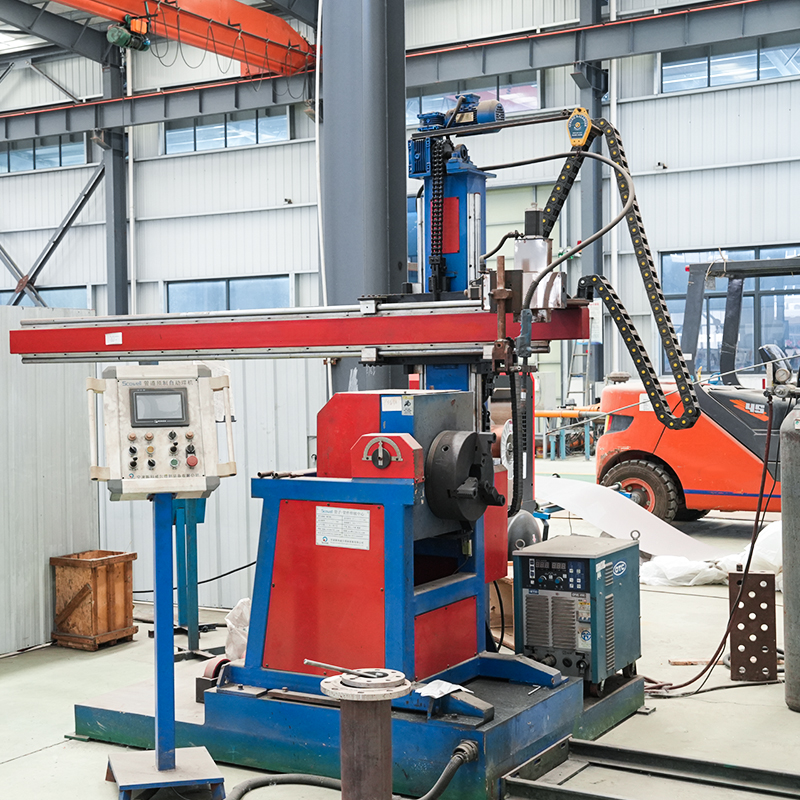
The fully automatic gas shielded welding machine is an automatic welding equipment based on advanced control technology. It combines motor control, si...
See Details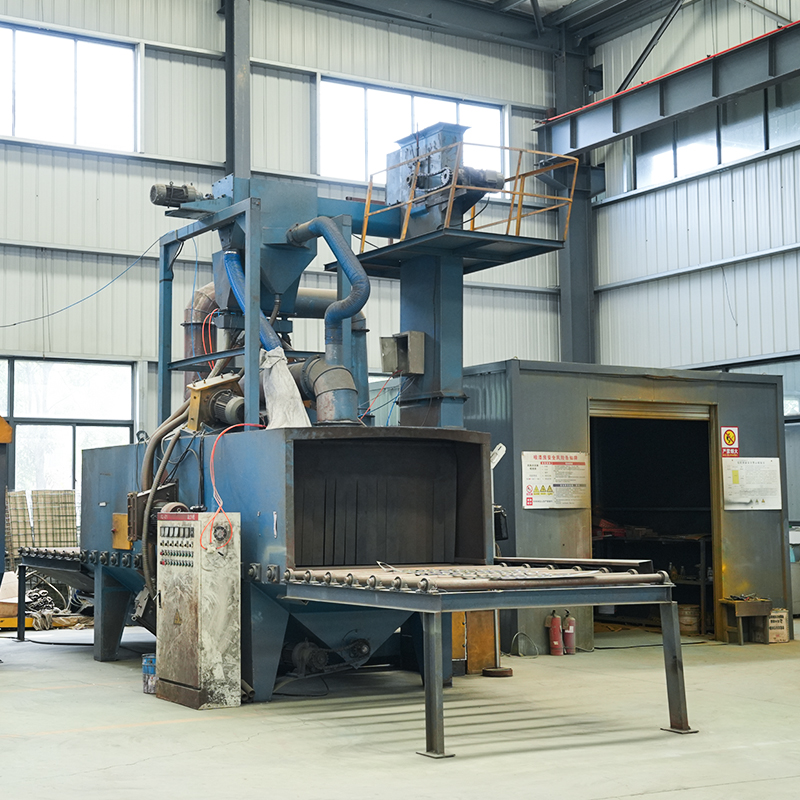
The through-type shot blasting machine is an efficient and automated machine and equipment, which is specially used for continuous through-type descal...
See Details
The intelligent voltage regulator static characteristic test bench can automatically clamp the voltage regulator to be tested, with high detection acc...
See Details
The company is a manufacturer specializing in gas transmission and +distribution equipment and gas pressure regulators. It is a professional manufacturer integrating the research and development, design, manufacturing, marketing and after-sales service of gas equipment.
Phone: +86 138-5131-2088
Tel: +86 0515-83918669
Email: [email protected]
Add: No. 13, Yongchuang Road, Dazhong Industrial Park, Dafeng District, Yancheng City, Jiangsu Province, China
Copyright © Jiangsu Changrun Intelligent Gas Equipment Co., Ltd All Rights Reserved.
Custom Smart Gas Pressure Regulators Manufacturers, Suppliers
 Login
Login
Contact Us