A regasification skid rated at 5,000 Nm3/h will not hold a stable downstream set point if the pressure reducing regulator inside it was specified for ambient-temperature natural gas. The symptom is measurable: outlet pressure drifts five to eight percent as flow swings from 20 to 100 percent of rated capacity, and in cold-box installations the seat begins to leak after the first thermal cycle. Buyers sourcing a China custom industrial LNG pressure reducing regulator run into this for one reason: the request for quotation lists inlet pressure, outlet pressure and flow rate, but never separates cryogenic service from ordinary pipeline service.
That gap is expensive. A regulator that passes a factory air test at 20 C can fail a cold functional test at minus 162 C, because the failure modes in liquefied natural gas service are thermal, not hydraulic. This guide covers what actually changes when a regulator is built for LNG, how to size it so it holds set point across the real operating range, and which factory checks predict field performance before the unit leaves the workshop.
Why LNG Service Breaks Regulators Built for Ambient-Temperature Gas
LNG destroys standard regulators through three mechanisms: thermal contraction mismatch between body and trim, seal embrittlement below the glass transition temperature of the elastomer, and Joule-Thomson cooling concentrated right at the seat orifice.
The third mechanism is the one most often underestimated. Natural gas expanding across a regulator plug drops in temperature by roughly 0.5 C for every bar of pressure drop, and the effect compounds when the gas is already cold. A 40 bar letdown to 4 bar can pull the seat area 20 C below the inlet temperature. If that inlet is already minus 140 C, ice and hydrate formation becomes a real risk on any moist stream, and the trim starts cycling against a frozen seat face.
-162 CAtmospheric storage temperature of LNG, the design floor for wetted trim
25:1Turndown achievable with a purpose-built cryogenic trim and pilot loading
+/- 0.5%Outlet pressure deviation a custom LNG regulator can hold from 20 to 100 percent flow
Rule of thumb: if the wetted trim will see LNG liquid or cold boil-off gas below minus 40 C, the regulator is not a pipeline regulator with different paint. It is a different assembly, with different materials, different clearances and a different test protocol.
China Custom Industrial LNG Pressure Reducing Regulator: What Customization Actually Changes
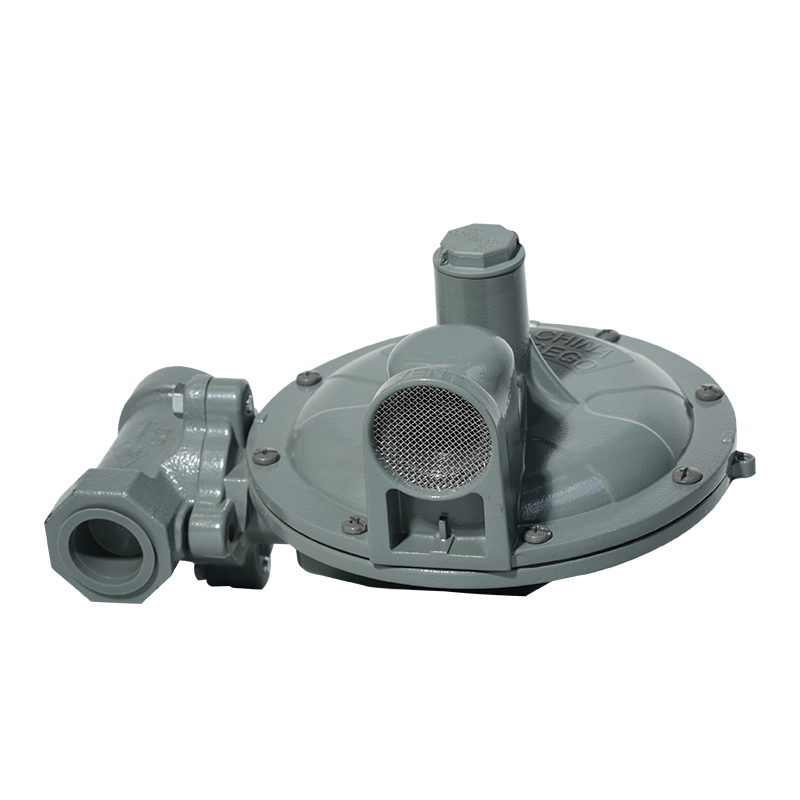
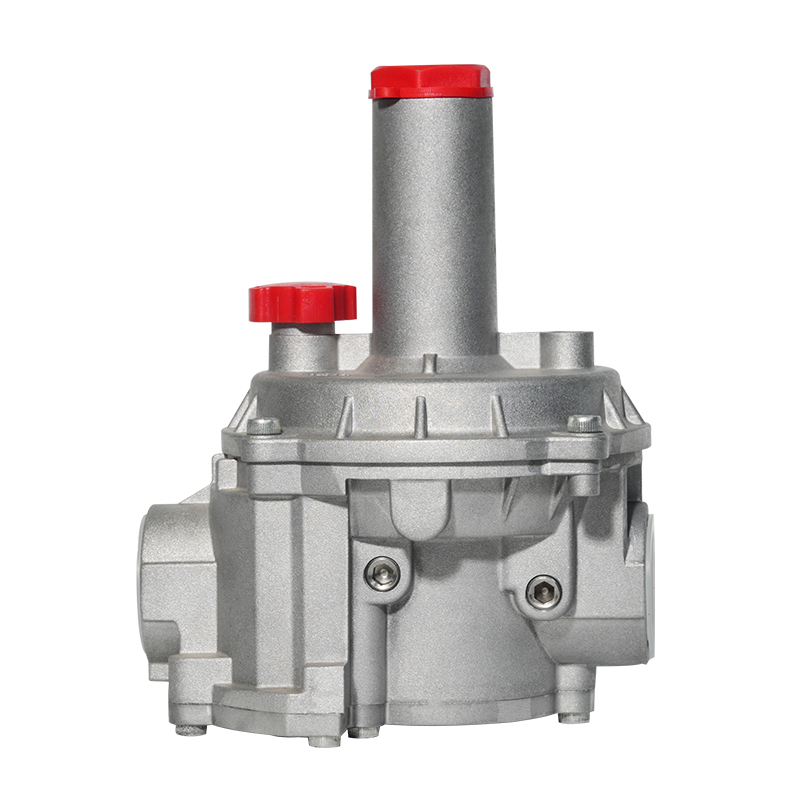
A China custom industrial LNG pressure reducing regulator is a spring-loaded or pilot-operated pressure control valve built to a buyer-defined specification that departs from the manufacturer's catalogue configuration: body rating, trim material, flow coefficient, end connections, instrumentation and documentation are all set by the project rather than by the catalogue.
The word "custom" carries real engineering weight in this category. It means the manufacturer re-trims the valve for a specific Cv, re-qualifies the elastomers for the minimum design metal temperature, and re-runs the performance test against the buyer's acceptance criteria. The table below shows what typically changes.
Configuration differences between a catalogue industrial gas regulator and a custom LNG-service pressure reducing regulator.
Parameter
Catalogue industrial regulator
Custom LNG-service regulator
Body and bonnet material
Cast iron or carbon steel
Austenitic stainless steel 304/316 or low-temperature carbon steel
Seat and trim
Nitrile or standard PTFE soft seat
PCTFE, reinforced PTFE or metal-to-metal seat
Sensing element
Nitrile diaphragm, -20 C to +60 C
Silicone or fluorosilicone diaphragm qualified to -60 C
Process connections
Threaded or PN16 flange
PN25 to PN63 flange to EN 1092 or ASME B16.5
Flow coefficient
Fixed catalogue Cv
Re-trimmed to the project turndown ratio
Leakage class
Class IV typical
Class V or Class VI on request
Testing
Air or nitrogen only
Helium leak test plus cold functional test
Documentation
Generic datasheet
Material certificates, weld maps, factory acceptance test report
That package of changes usually adds four to eight weeks to a delivery schedule compared with a catalogue unit, and it typically raises unit cost by 25 to 60 percent depending on the pressure class and the documentation scope. Buyers who treat those numbers as negotiable rather than as the cost of cryogenic qualification tend to end up with a valve that passes the paperwork and fails in the cold box.
Sizing Rules That Decide Whether the Unit Holds Set Point
Size for the lowest expected flow, not the maximum. An LNG regulator selected on peak flow alone will hunt, cycle and freeze its seat at low load, because the plug sits almost closed and the pressure drop concentrates on a tiny flow area.
The practical consequence is that the flow coefficient must be chosen so that the normal operating point falls between 20 and 80 percent of rated Cv, not at 5 percent. When a buyer specifies only "maximum flow 3,000 Nm3/h", the resulting valve often runs at 8 percent lift during normal demand, which is exactly the regime where cryogenic trim behaves worst. Supplying a turndown requirement alongside the flow rate forces the manufacturer to re-trim, and that single line in the specification sheet does more for set-point stability than any other item on it.
Outlet pressure deviation from set point across the flow range. The catalogue unit collapses once flow falls below 40 percent of rating; the re-trimmed LNG unit stays inside a narrow band.
Cryogenic Materials and Trim Choices That Prevent Seat Leakage
Seat leakage in LNG service almost always traces back to a material choice made on price rather than on low-temperature impact energy. Three selections carry most of the risk:
Body and bonnet: austenitic stainless steel 304 or 316 for small bore, low-temperature carbon steel such as A350 LF2 for larger valve bodies where cost matters. Ordinary A216 WCB carbon steel loses impact toughness and should not be used below minus 29 C.
Seat insert: PCTFE holds a resilient seal down to roughly minus 200 C and is the default. Metal-to-metal seats are specified where Class V or Class VI leakage is mandatory, but they demand tighter machining tolerance and a harder spring rate to seat reliably.
Diaphragm and O-rings: fluorosilicone or silicone are the workhorses; standard nitrile embrittles below minus 40 C and is the single most common cause of a regulator failing its first cold start.
The supporting detail matters as much as the headline material. Impact energy values, heat treatment records and weld procedure qualification for the seat pocket all belong in the documentation package, because those are the items a third-party inspector will ask for. A manufacturer that can supply grade-level traceability on cryogenic trim is generally also the one that can hold cryogenic material grades for LNG applications through a repeat order two years later.
Material substitution is where most LNG regulator failures originate. A supplier that cannot name the exact grade, the impact energy value and the test temperature for its seat insert has not qualified the trim for cryogenic service.
Factory Checks That Actually Predict Field Performance
Four checks separate a valve that will work in a cold box from one that only works on a test bench. Insist on all four, and insist on witnessing at least the first and third.
Material verification before machining
Confirm heat numbers on the body, bonnet and seat insert against the mill certificates. This is the only point at which a grade substitution can still be caught cheaply.
Dimensional check at the low-temperature condition
Measure the plug-to-cage clearance and the travel stops after a liquid nitrogen soak, not before. A clearance that looks generous at 20 C can close up at minus 160 C.
Helium leak test at the rated pressure class
Helium finds paths that nitrogen and air miss. Class V and Class VI claims should be backed by a helium bubble or mass spectrometer test, with the result recorded against the seat diameter.
Cold functional test across the full flow range
Run the valve at 10, 50 and 100 percent of rated flow with cold media, and record outlet pressure at each point. This single test generates the curve that tells you whether the turndown requirement was actually met.
Most sourcing problems on this product come from what the specification sheet leaves out, not from what the factory cannot build.
Specify explicitly
Minimum design metal temperature, stated in degrees Celsius
Normal flow, minimum flow and maximum flow, not just peak
Required turndown ratio and acceptable set-point deviation band
Leakage class with the test method named
End connection standard, pressure class and face finish
Documentation scope and factory acceptance test witness rights
Avoid
Selecting on maximum flow with no minimum-flow figure
Accepting "suitable for low temperature" without a grade and a test temperature
Skipping the cold functional test to save two weeks
Comparing quotations on price while the material grades differ
Assuming a catalogue Cv will fit after the piping layout changes
Buying cryogenic trim without impact energy data
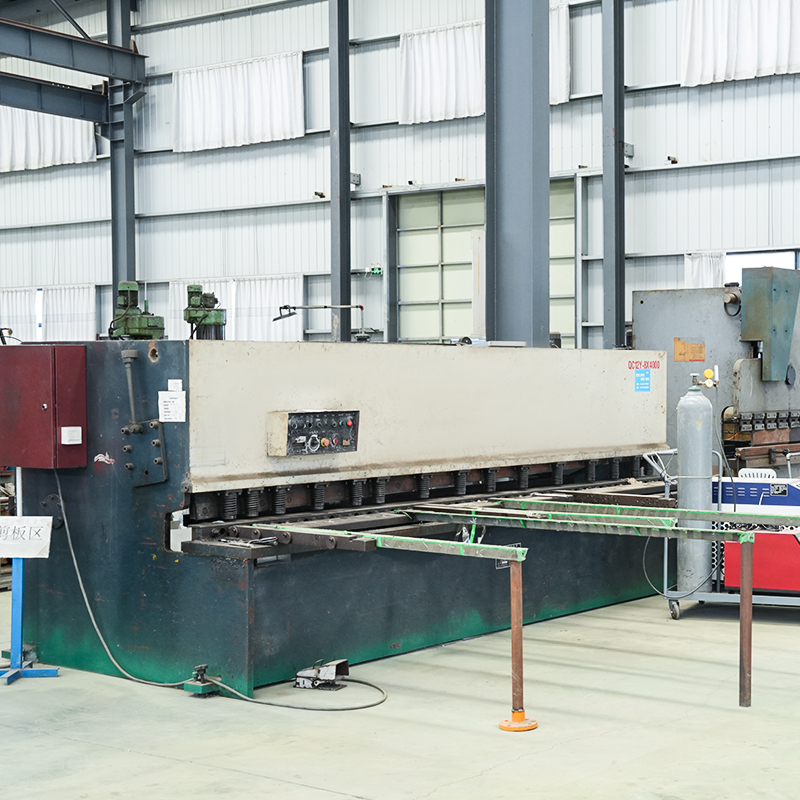
Jiangsu Changrun Intelligent Gas Equipment Co., Ltd. is one example of a Chinese manufacturer positioned to handle this kind of work. The company operates from a 10,000 square meter facility with five large machining workshops and reports an annual output above 10,000 units, with technical staff making up 56 percent of its workforce. Its product range covers high, medium and low pressure gas regulators, pressure regulating boxes, safety shut-off and relief valves, filtration equipment and gas detection apparatus, which means a project needing both the cryogenic regulator and its downstream filtration can be sourced from a single supplier instead of two. Buyers should still verify the cryogenic qualification directly, because a broad catalogue is not the same as a qualified LNG trim.
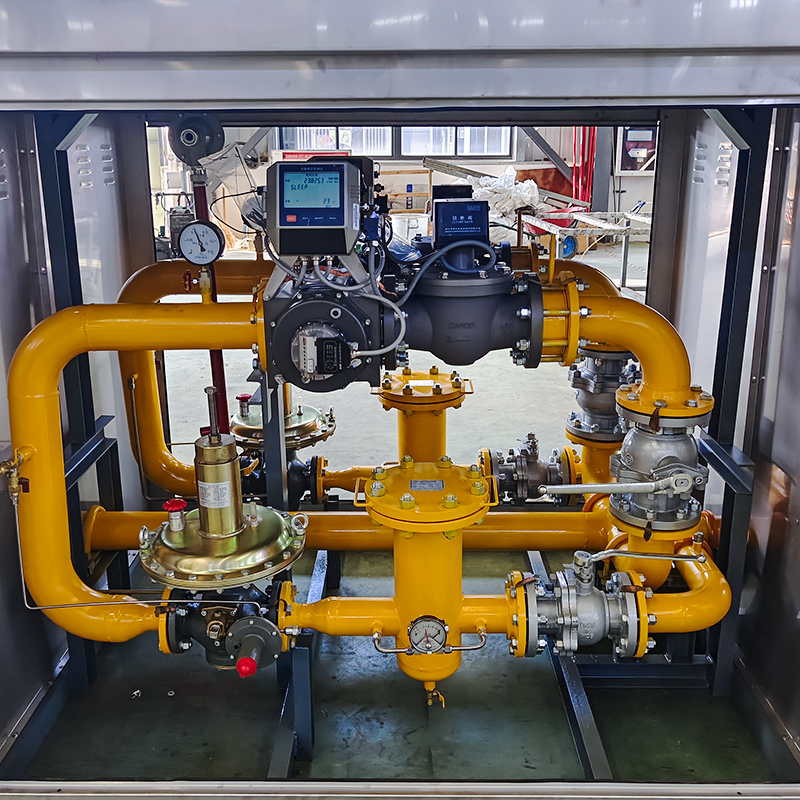
For a fully custom configuration, buyers can review the manufacturer's gas pressure regulating equipment portfolio and match the pressure class and flow coefficient to the project data sheet before requesting a quotation.
Frequently Asked Questions
What is the typical lead time for a custom LNG pressure reducing regulator from China?
Expect eight to fourteen weeks from drawing approval to shipment for a cryogenic unit with material certificates and a cold functional test. Catalogue units ship in three to five weeks, but they are not qualified for LNG service. Adding a third-party inspection agency typically adds one to two weeks.
Can a standard industrial gas regulator be converted for LNG service?
No, not economically. Converting means replacing the seat insert, the diaphragm, the trim and often the body material, then re-qualifying the assembly with a helium leak test and a cold functional test. The resulting cost approaches that of a new purpose-built unit while leaving the original pressure rating and documentation intact only on paper.
What turndown ratio should I specify for an LNG pressure reducing regulator?
Specify the real minimum and maximum flow and let the manufacturer confirm the achievable turndown. Most cryogenic trims hold stable control between 10:1 and 25:1, but the usable range narrows sharply once the pressure drop exceeds 30 bar, because Joule-Thomson cooling intensifies at high differentials.
Which documentation should accompany a Chinese LNG regulator shipment?
At minimum: mill certificates with heat numbers for the body, bonnet and seat insert; a weld map and weld procedure qualification if the body is fabricated; a helium leak test report stating the leakage class; a cold functional test record showing outlet pressure at three flow points; and a dimensional report. Without the cold test record, the other documents prove material quality but not control performance.
The natural gas pressure regulating device box and the gas pressure regulating cabinet are key equipment in the gas transmission system, which are mai...
High-purity natural gas/liquefied gas production machinery and equipment focuses on the production of high-quality and high-efficiency natural gas and...
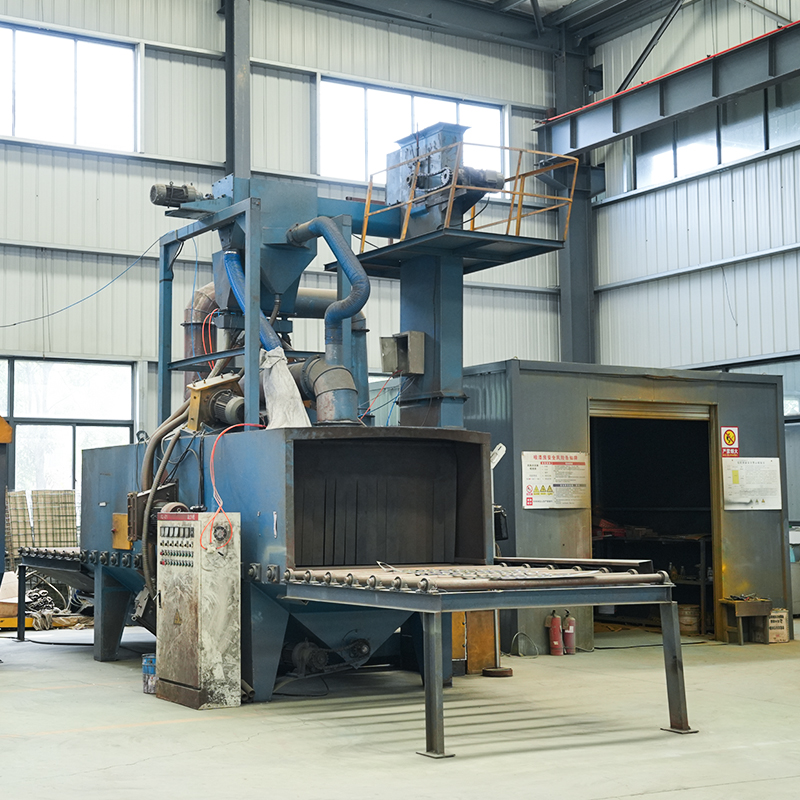
The through-type shot blasting machine is an efficient and automated machine and equipment, which is specially used for continuous through-type descal...



 English
 русский
 Español
 عربى
عربى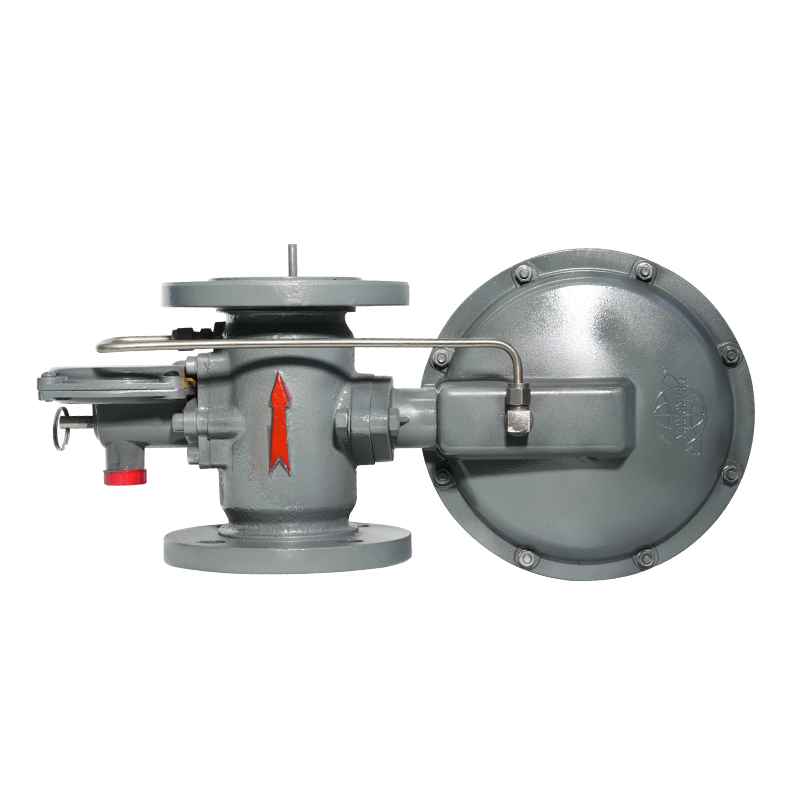


Contact Us