 English
 русский
 Español
 عربى
عربىIndustrial gas pressure regulator, pressure reducing valve, regulator
Industrial gas pressure regulating valve pressure reducing valve, pressure stabilizer is a device used to regulate and stabilize gas pressure. It can ...
See Details


Request a Quote
Content
A 30 percent gap between two quotes for the same DN50 natural gas pressure regulator usually means one bidder quietly removed the material certificates from the package. On paper, both units claim the same pressure class; on the test bench, the undocumented unit is the one that weeps at the seat, fails hydrostatic testing at commissioning, and pushes handover back by weeks. That pattern is why professional buyers treat oil and natural gas parts as engineered components with traceable paperwork, not as commodity hardware.
This guide condenses the screening logic we use on our own production floor into a checklist any procurement team can run: which part families carry the most risk, which decisions come first, and where sourcing budgets most often leak away.
Key takeaway
Award on the document package, not on unit price. An offer without EN 10204 type 3.1 material certificates, hydrostatic test records and NDT reports is an incomplete quote, whatever number is printed at the bottom.
Oil and natural gas parts are the pressure-containing, sealing and flow-control components of a gas system: pressure regulators, safety relief valves, filters and strainers, separators, and the cabinets and skids that house them.
Definition
Their individual cost is small; their systemic role is not. A city gate station or an industrial regulating skid holds dozens of these components, and every one of them is a pressure boundary. When one fails, the problem rarely stays contained: a weeping regulator seat inflates losses, a stuck relief valve invites overpressure, and a blinded filter starves every device downstream of it. Table 1 maps the main families and the first specification worth checking in each.
| Part family | Role in the system | First spec to check |
| Pressure regulator or reducing valve | Holds downstream pressure steady while inlet pressure and flow move | Inlet and outlet pressure range, orifice size, accuracy class |
| Safety relief valve | Vents overpressure before it can damage people or equipment | Set pressure, blowdown, relieving capacity at full lift |
| Filter and Y-type strainer | Removes pipe scale, weld slag and dust before regulators and meters | Filtration rating in microns and differential pressure limit |
| Gas-liquid or cyclone separator | Strips liquids and entrained solids from the gas stream | Separation efficiency and liquid holding capacity |
| Regulating box or cabinet | Houses regulators, shutoff valves and metering as one tested unit | Structural strength, ventilation and access for maintenance |
Inside those families, it is the internals that decide field life. Diaphragms, seats, stems and springs take the mechanical load on every cycle, which is why spring performance is verified on a dedicated spring testing machine and every regulator runs through a static characteristics test bench before release. Overpressure protection deserves the same discipline: an automatic relief valve is the last line of defense when a regulator overshoots, and it is the one component most worth over-specifying.
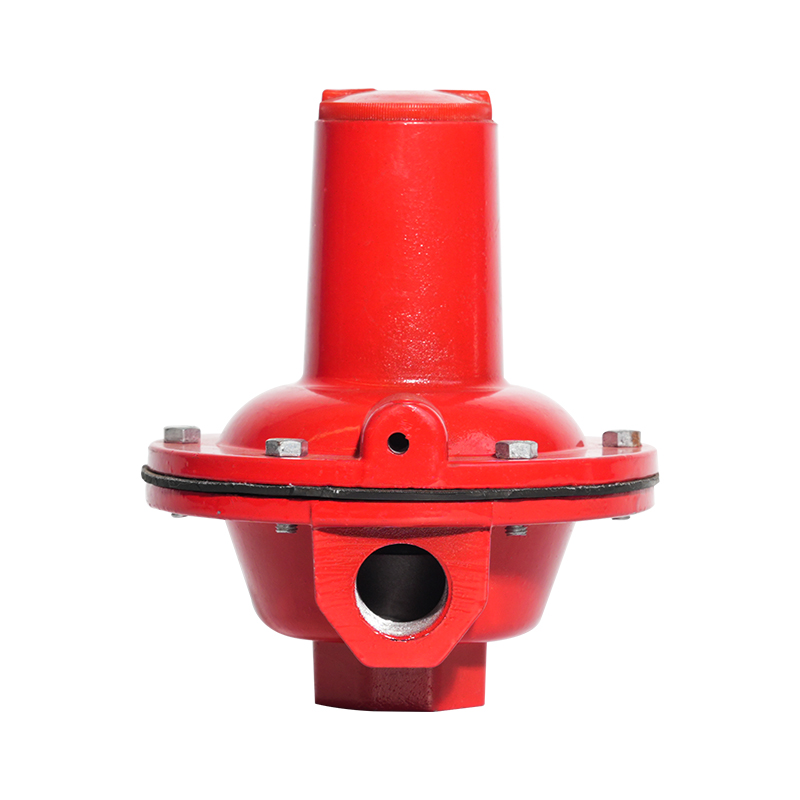 Gas Automatic Safety Relief Valve for Overpressure ProtectionAn automatic relief valve that vents excess pressure when a gas regulator overshoots. Positioned here as the last line of defense, it is the overpressure component most worth over-specifying in any gas installation.View Product →
Get the material grade and the pressure class right before anything else, because nearly every field failure in gas equipment traces back to one of these two specifications.
Temperature and gas composition drive the material choice. Standard WCB carbon steel is the workhorse for general service but loses toughness below minus 29 C, which rules it out for cryogenic duty. LCC low-temperature carbon steel extends the window to roughly minus 46 C, while 316 and 316L stainless handle corrosive streams and LNG service down to minus 196 C. Where the gas carries meaningful H2S, controlled-hardness steels and nickel alloys enter the conversation.
| Material | Typical service window | What to verify |
| WCB carbon steel | General service, about minus 29 C to 425 C | Impact test results for any low-temperature excursion |
| LCC low-temperature carbon steel | Down to about minus 46 C | Complete heat treatment records |
| 316 or 316L stainless steel | Corrosive and cryogenic duty to minus 196 C | Passivation and thread galling controls |
| Nickel alloys | Sour and high-temperature service | Mill source, lead time and welding procedure |
Pressure class is a temperature-dependent statement, not a single number. Ratings fall as metal temperature rises, so a class quoted without its temperature reference is incomplete. The pressure-temperature tables in ASME B16.34 are the reference to read, checked against the design conditions of your line rather than a catalog hero figure.
Rating discipline applies to simple hardware as well. A PN16 DN50 flanged ductile iron Y-type strainer announces its flange class, bore and body material in one designation, and a filter fitted with a differential pressure gauge goes further by telling operators when the element is loading up. Specifications a screening engineer can read at a glance are exactly what a strong quotation provides.
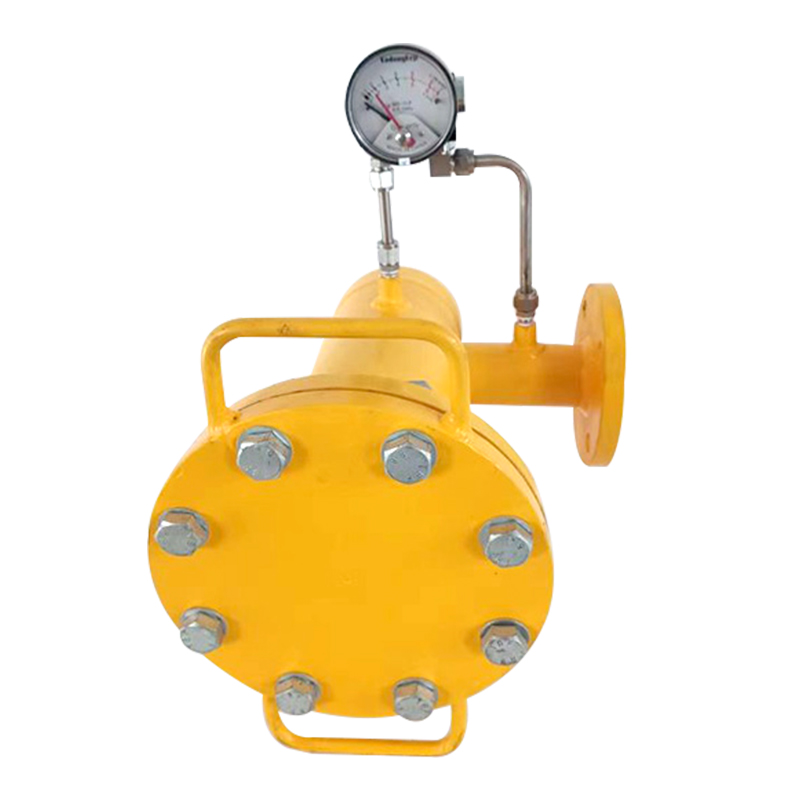 LPG and Natural Gas Filter with Differential Pressure GaugeThis flanged gas filter removes contaminants and uses a differential pressure gauge to signal when the element is loading up, letting operators read its condition at a glance during screening and specification review.View Product →
If a supplier cannot produce a complete, heat-number-traceable document package on request, treat the quote as incomplete no matter how attractive the price looks.
Standards give procurement an audit trail. API 6D governs pipeline valves, ASME B16.34 defines pressure classes and materials, and NACE MR0175, published jointly as ISO 15156, governs material selection for sour service. EN 10204 type 3.1 then ties each part to the actual heat of steel it was made from. Many distribution-grade parts are not legally required to meet every clause, but writing these references into the purchase order gives inspectors something they can verify line by line:
Sour service note
Where H2S is present above the NACE MR0175 thresholds, carbon steel parts need hardness control and a documented material review. A standard WCB body offered without that review is a rejection waiting to happen, and sometimes a safety finding as well.
The cheapest place to catch a defective part is at the supplier's test bench; the most expensive place is your own station after installation.
Check that heat numbers on the certificates match the stampings on the body, and that the drawing revision on every test report matches your purchase order.
Shell tests run at 1.5 times rated pressure. Ask for the hold time and the gauge trace, not only a pass stamp on the certificate.
A static characteristics test bench records how accurately a regulator holds outlet pressure across the flow range, and spring testing confirms set-point repeatability for relief valves.
Radiographic testing finds porosity and lack of fusion that no visual check will reveal, which is why serious part manufacturers keep X-ray inspection in-house.
Run together, these four checks take about a day at the factory and prevent the failures that would otherwise surface during commissioning. We keep the relevant equipment in-house - spring testing machines, high and low temperature chambers, an X-ray inspection room and regulator test stands - so that each production batch is measured against the same criteria a third-party inspector would apply.
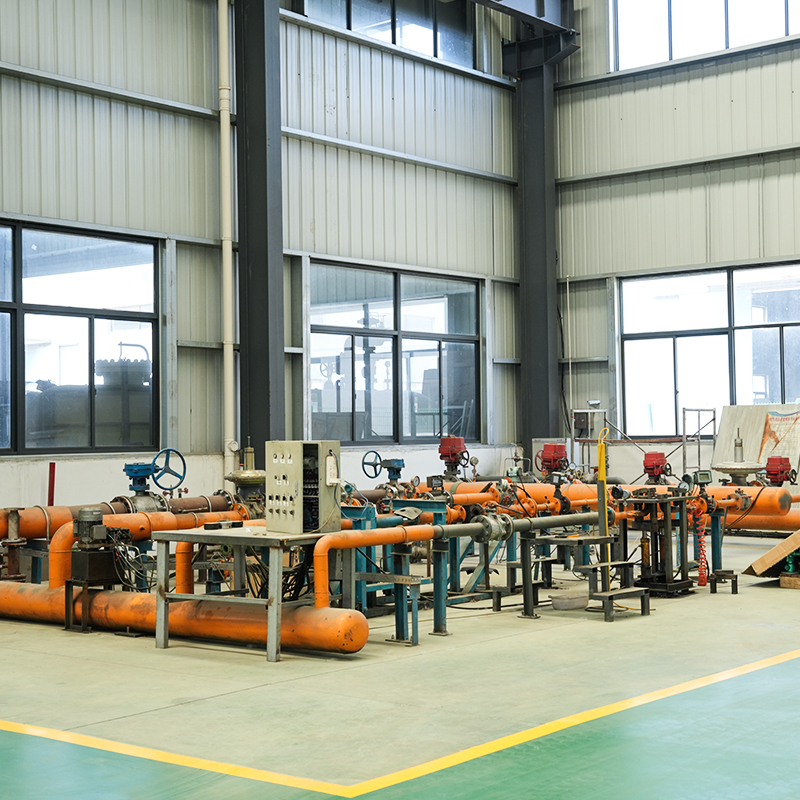 Regulator Static Characteristics Test BenchThis test bench measures regulator static performance in-house, so each production batch is verified against the same criteria a third-party inspector would apply before regulators are released for delivery.View Product →
Sourcing losses rarely come from bad luck; they come from five repeatable mistakes that a structured review removes.
Across factory audits and third-party inspections, quality findings cluster around paperwork and dimensional control far more often than around exotic metallurgy, which is why the document trail deserves as much attention as the metal itself.
Where quality findings cluster in supplied oil and natural gas parts
Illustrative composite of common factory audit and third-party inspection findings; individual projects vary.
Each finding on that chart maps to an avoidable purchasing habit:
Compares unit prices and lead times.
Accepts verbal assurances about materials.
Discovers defects at commissioning, then pays twice.
Compares certificates, test records and NDT reports.
Audits the workshop and the test benches behind the quote.
Catches defects at the factory and pays once.
Capacity and staffing are screenable facts, not sales talk, so ask every bidder for annual output, workshop count and the share of technical employees. Our own plant, Jiangsu Changrun Intelligent Gas Equipment Co., Ltd., produces more than 10,000 units per year across five large machining workshops, with technical staff making up 56 percent of the workforce, and you can browse the complete gas parts range to see how filters, strainers and relief valves are specified in practice.
They are the pressure-containing and flow-control components of oil and gas systems: pressure regulators, safety relief valves, filters and strainers, separators, regulating cabinets, and internal parts such as seats, diaphragms, springs and stems. Their material grades, pressure ratings and test records determine how safely everything around them operates.
Start from the design pressure of the incoming line rather than from a catalog. City distribution commonly works in the PN16 to PN40 range, while transmission-connected stations run higher classes. Select the class from the ASME B16.34 pressure-temperature tables at the real operating temperature, then confirm it against the station design documents.
Yes. LNG service sits at about minus 162 C, where standard WCB carbon steel becomes brittle. Low-temperature carbon steel reaches roughly minus 46 C, so cryogenic duty generally requires 316 or 316L stainless or selected nickel alloys, backed by impact test records for every heat of steel.
Put the document packages side by side: material certificates, hydrostatic and leak test records, NDT reports and performance data. Then compare in-house test equipment, workshop capacity, the share of technical staff and the after-sales plan for wear parts. A manufacturer that tests every batch in-house is almost always the cheaper choice over the life of the installation.
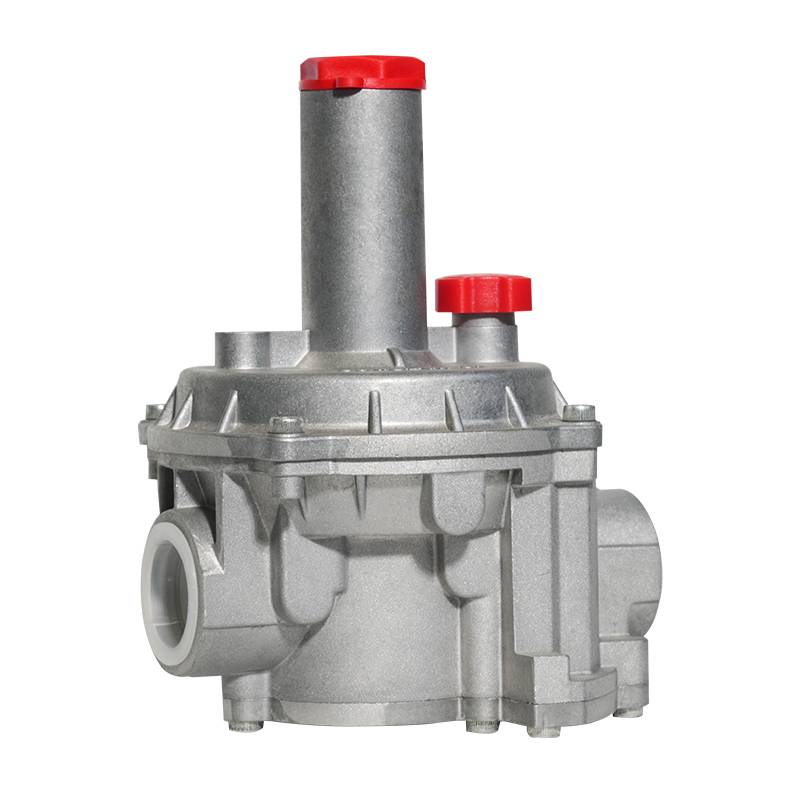
Industrial gas pressure regulating valve pressure reducing valve, pressure stabilizer is a device used to regulate and stabilize gas pressure. It can ...
See Details
The intelligent voltage regulator static characteristic test bench can automatically clamp the voltage regulator to be tested, with high detection acc...
See Details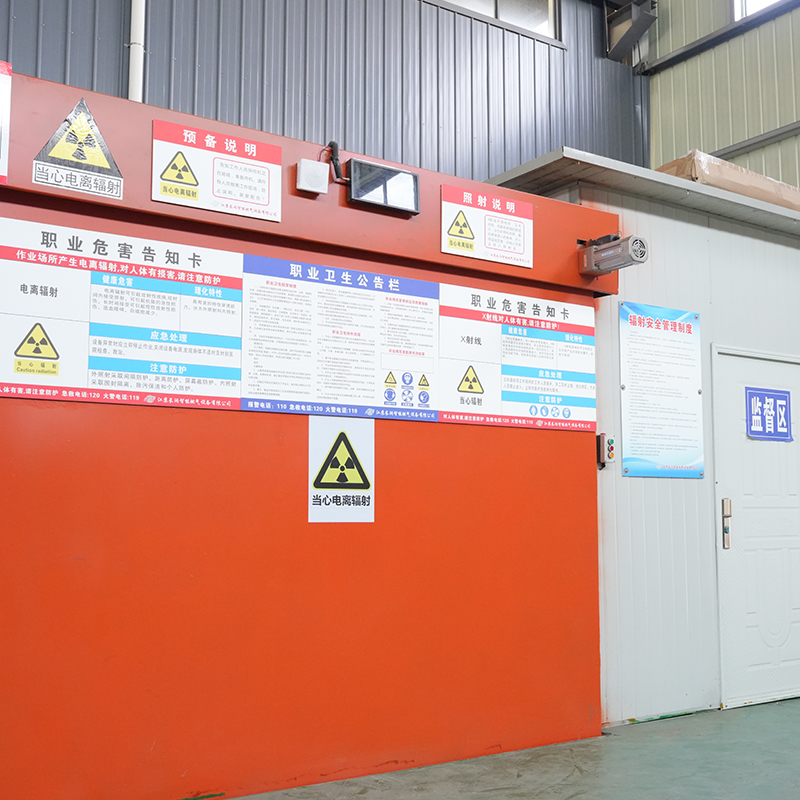
X-ray flaw detection room is a place specially used for X-ray flaw detection. It is equipped with X-ray industrial flaw detectors for non-destructive ...
See Details
The company is a manufacturer specializing in gas transmission and +distribution equipment and gas pressure regulators. It is a professional manufacturer integrating the research and development, design, manufacturing, marketing and after-sales service of gas equipment.
Phone: +86 138-5131-2088
Tel: +86 0515-83918669
Email: [email protected]
Add: No. 13, Yongchuang Road, Dazhong Industrial Park, Dafeng District, Yancheng City, Jiangsu Province, China
Copyright © Jiangsu Changrun Intelligent Gas Equipment Co., Ltd All Rights Reserved.
Custom Smart Gas Pressure Regulators Manufacturers, Suppliers
 Login
Login
Contact Us