 English
 русский
 Español
 عربى
Safety valve natural gas pressure regulator
The safety valve natural gas pressure regulator is an important device to ensure the safety of gas use. Its main function is to protect the equipment ...
See Details


Request a Quote
Content
A coastal industrial park specified a custom gas pressure regulating cabinet for a 0.6 MPa inlet and a 30 kPa outlet. The unit that arrived had a relief valve set eight percent above the downstream design pressure, an enclosure 300 mm wider than the concrete plinth, and no static-characteristic test record in the documentation pack. The regulator inside was correct. The interface around it was not.
A custom gas pressure regulating cabinet is a factory-assembled pressure control station sized for one declared flow and pressure envelope, with the enclosure, filtration, regulation, over-pressure protection and instrumentation engineered as a single system.
Catalogue cabinets are built around fixed ranges. They perform well when a site sits inside those ranges and behave unpredictably when it does not. Custom work begins with the site: gas type, maximum inlet pressure, minimum and maximum flow, ambient temperature, available footprint, and the signal the operator's supervisory control system expects to receive.
Definition: a custom gas pressure regulating cabinet is an integrated enclosure or skid in which filtration, pressure reduction, over-pressure protection and monitoring are engineered together for a single site's flow and pressure conditions.
 Natural Gas Pressure Regulating Cabinet and Equipment BoxIntegrated enclosure combines filtration, pressure regulation, metering, and safety controls to stabilize gas pressure and protect transmission systems.View Product →
No supplier can price a custom gas pressure regulating cabinet accurately from a flow figure alone. Five inputs decide the enclosure size, the regulator trim and the safety set points, and a quotation that arrives without them is an assumption rather than an offer.
| Specification input | Range to declare | What it changes |
| Maximum inlet pressure | 0.2 to 4.0 MPa for natural gas, higher for CNG | Regulator body class, flange rating and wall thickness |
| Outlet pressure and accuracy band | 2 to 300 kPa, usually within 5 percent of set point | Trim size, spring range and whether two stages are required |
| Design flow with turndown | 500 to 4,000 Nm3/h, plus the minimum load | Seat diameter, pressure drop budget and filter surface area |
| Gas type and dew point | Natural gas, LPG, CNG or biogas, dew point down to minus 20 C | Filter element rating and the need for heating |
| Site and climate | Minus 30 C to plus 45 C ambient, coastal or inland | Enclosure material, coating class, venting and footprint |
Suppliers who quote without asking for gas composition and dew point are usually repricing a standard box with a different label. Ask what happens at minimum flow, not only at design flow, because part-load instability is the most common complaint after commissioning.
Rule of thumb: a quotation that arrives in under 24 hours without a single technical question is based on an assumed envelope, not on your site.
Comparing enclosure formats before locking a design is worth the time. This breakdown of how to choose a gas pressure regulating box covers the sizing, access and maintenance angles that decide between a wall-mounted box and a walk-in cabinet.
Vetting a supplier comes down to evidence: flow calculations, measured curves and set-point certificates. Factory photographs and warranty sentences prove nothing about the cabinet that will arrive on your plinth.
The enclosure and the safety accessories decide whether a custom gas pressure regulating cabinet survives its site. The regulator only decides how precisely it controls pressure under normal conditions.
Enclosure material is a climate decision and a maintenance decision, and it is usually the first place a cheap quotation saves money.
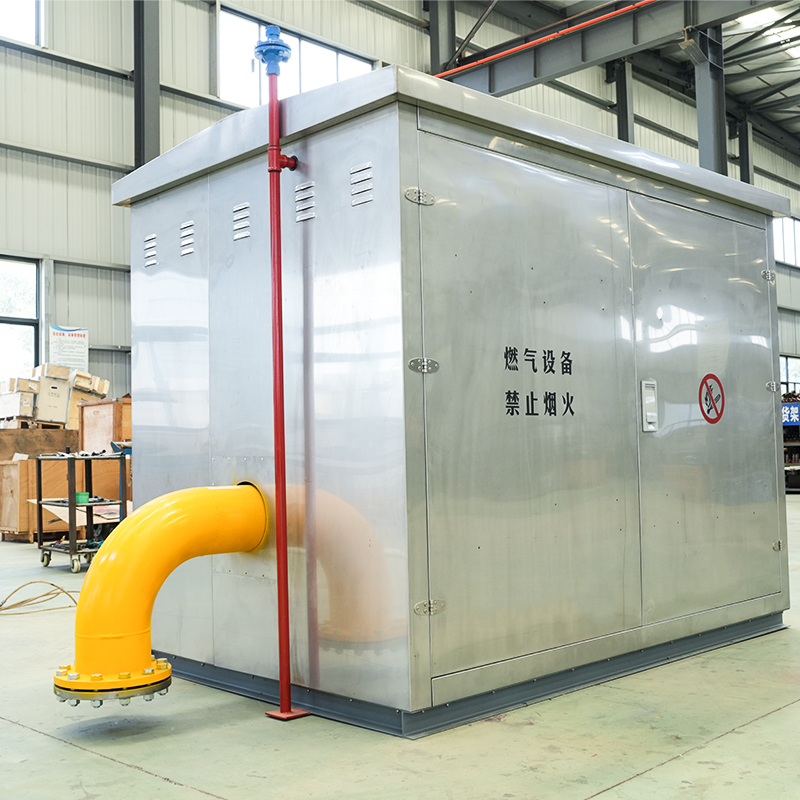 Stainless Steel Gas Pressure Regulating Cabinet and BoxStainless steel regulating cabinet with UV-resistant coating, corrosion and sun protection, safety valves, and indoor or outdoor gas supply use.View Product →
Every pressure reduction cools the gas. Dropping 0.6 MPa to 30 kPa can remove 15 to 25 C from the gas stream, and wet gas at that temperature forms hydrates or freezes the regulator seat. The fixes are mechanical, not procedural:
A cabinet without filtration protects nothing downstream. The differential pressure gauge is the maintenance trigger: when the reading climbs toward the element's change-out value, the filter is loading and the regulator is working against a rising pressure drop. Relief valves and safety shut-off valves are the second layer, and both must be set mechanically rather than trusted to a factory default.
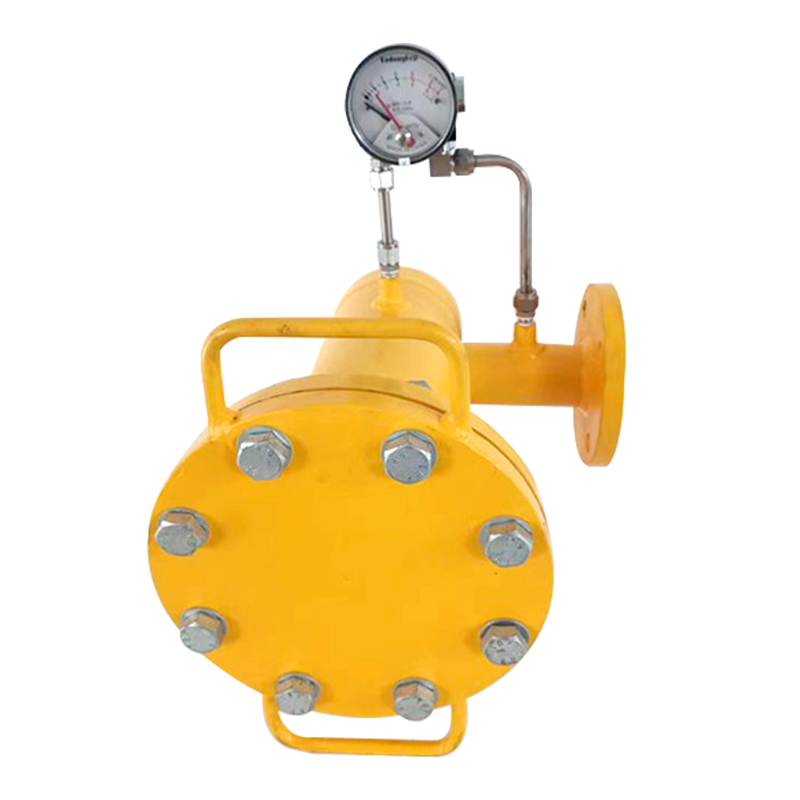 Gas Filter with Differential Pressure Gauge for LPG and Natural GasDifferential pressure gauge shows filter blockage; this filter removes impurities to support normal gas system operation and equipment life.View Product →
Roughly 30 percent of the engineering effort in a custom cabinet goes into sizing the regulator and its trim. The remaining 70 percent sits in filtration, fabrication, instrumentation and testing, which is why two suppliers can quote the same regulator body at prices 40 percent apart.
Lead time follows the same pattern. A genuinely custom unit with a stainless enclosure, a heated filter section and remote transmission terminals is a four to eight week build, and most of that time is fabrication and testing rather than regulator procurement. When a supplier promises two weeks, ask which components are already in stock and which specifications were quietly dropped to get there.
A measured test record is worth more than a warranty paragraph. Ask for the curve, the set pressure and the signature.
Capacity is checkable. Plant area, the number of fabrication shops, annual output and the share of technical staff separate manufacturers from trading companies, and all four can be verified on a site visit.
Jiangsu Changrun Intelligent Gas Equipment Co., Ltd. is a gas equipment manufacturer working from a 10,000 square metre plant with five large machining workshops, CNC processing equipment and AutoCAD-based design. Its range covers gas pressure regulating boxes and cabinets, high, medium and low pressure regulators, filters and safety relief valves, backed by in-house test assets that include a regulator static characteristics test bench, a spring testing machine, a film high and low temperature box and an X-ray inspection room. Quality control runs through eight documented control procedures covering the full production cycle.
What to send with your enquiry: maximum inlet pressure, outlet pressure with an accuracy band, design and minimum flow, gas type with dew point, ambient temperature range, enclosure material preference, connection sizes and the remote monitoring protocol. A supplier who works from those eight inputs returns a sized drawing, not a price list.
Plan on four to eight weeks for a non-standard unit with a stainless enclosure, heated filtration and remote transmission terminals. Standard enclosures fitted with stock regulators can ship in two to three weeks, but only when the flow and pressure data fall inside the stocked envelope.
Maximum inlet pressure, outlet pressure with an accuracy band, design and minimum flow, gas type and dew point, ambient temperature, enclosure preference and connection sizes. Without minimum flow and dew point, no supplier can size the trim or the filter element correctly.
Only if the regulator trim, spring range and elastomer materials are specified for both media. LPG has a higher heating value and different density, and diaphragms that suit natural gas are not automatically suitable for liquefied petroleum gas service.
Ask for a set-point test sheet recording relief valve set and reseat pressures, safety shut-off trip points and the regulator's static characteristic curve, each tied to an instrument identification number and signed by the quality department. That sheet is the only evidence that matters.
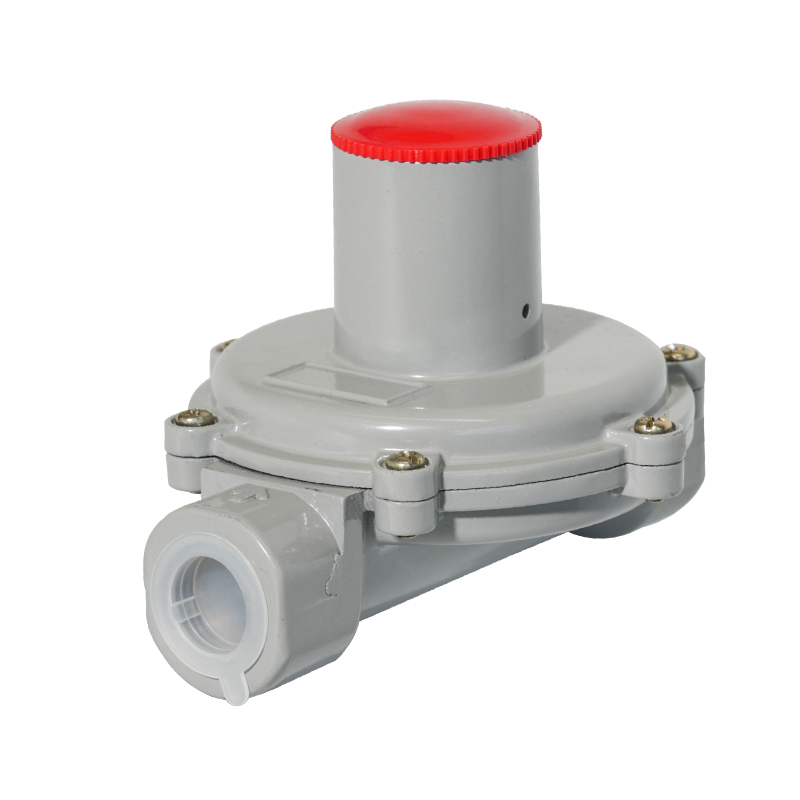
The safety valve natural gas pressure regulator is an important device to ensure the safety of gas use. Its main function is to protect the equipment ...
See Details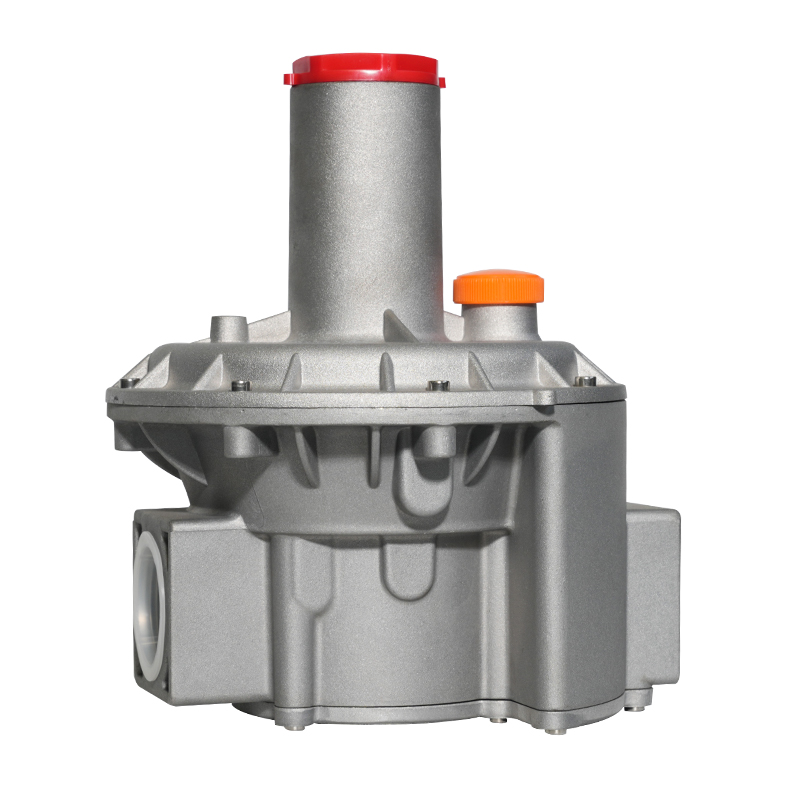
The natural gas pressure regulating valve and gas pipeline pressure regulator are important pipeline system devices, mainly used to adjust and control...
See Details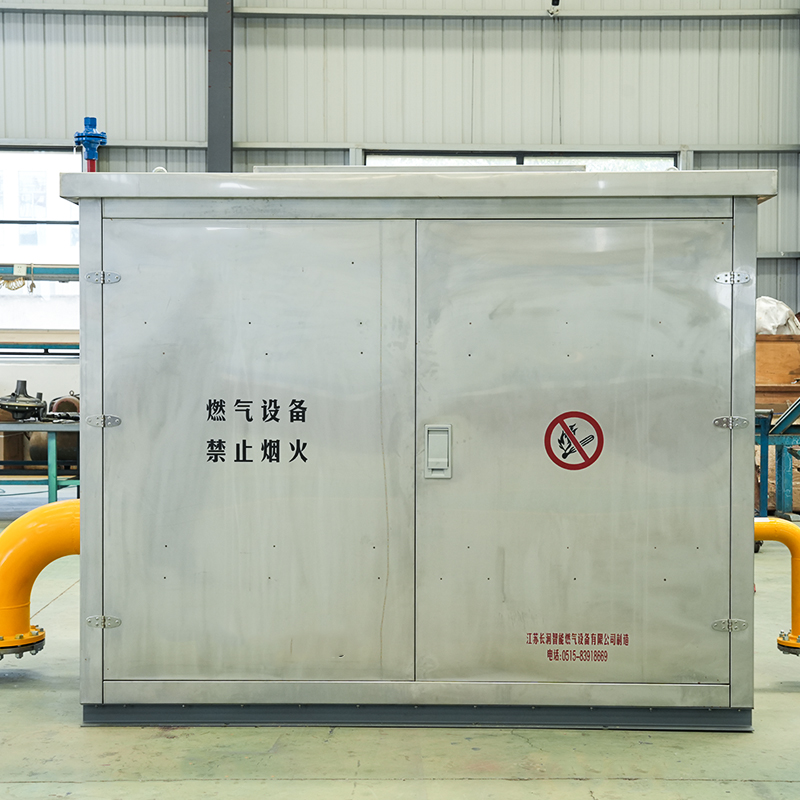
The stainless steel gas pressure regulating cabinet, and gas pressure regulating box are mainly made of high-strength stainless steel, and the outer s...
See Details
The company is a manufacturer specializing in gas transmission and +distribution equipment and gas pressure regulators. It is a professional manufacturer integrating the research and development, design, manufacturing, marketing and after-sales service of gas equipment.
Phone: +86 138-5131-2088
Tel: +86 0515-83918669
Email: [email protected]
Add: No. 13, Yongchuang Road, Dazhong Industrial Park, Dafeng District, Yancheng City, Jiangsu Province, China
Copyright © Jiangsu Changrun Intelligent Gas Equipment Co., Ltd All Rights Reserved.
Custom Smart Gas Pressure Regulators Manufacturers, Suppliers
 Login
Contact Us