 English
 русский
 Español
 عربى
عربىPipeline gas pressure reducing valve, regulator
The gas pressure regulator is a key device to maintain the stability of the downstream pressure of the gas pipeline. It automatically changes the gas ...
See Details


Request a Quote
Content
A complete technical guide to gas detection equipment — technologies, applications, selection, and safety standards.
Gas detection equipment is essential for monitoring and warning against hazardous gas leaks in industrial, commercial, and residential environments. From toxic gas sensors and combustible gas detectors to advanced multi-gas monitoring systems, these devices provide early warning of dangerous conditions, protecting workers, facilities, and surrounding communities.
As industries expand and safety regulations become increasingly stringent, gas detection equipment has evolved from simple alarm devices to sophisticated monitoring systems capable of continuous real-time data collection and analysis. Understanding the technologies, applications, and selection criteria is essential for safety professionals and facility managers.
Gas detection equipment refers to a range of devices designed to identify and measure the concentration of gases in the air. These systems provide early warning of hazardous gas accumulation, enabling timely response to prevent accidents, injuries, and fatalities.
Gas detection equipment is used across numerous industries including oil and gas, chemical manufacturing, mining, wastewater treatment, and confined space operations. The equipment can be portable for personal monitoring or fixed for continuous area monitoring.
Modern gas detection systems incorporate advanced sensors, microprocessors, and communication capabilities that allow for remote monitoring and integration with facility safety systems. They are designed to detect a wide range of gases including oxygen deficiency, combustible gases, toxic gases, and volatile organic compounds.
Electrochemical sensors are widely used for detecting toxic gases such as carbon monoxide, hydrogen sulfide, chlorine, and nitrogen dioxide. These sensors operate by generating a current proportional to the gas concentration through an electrochemical reaction. They offer good selectivity, low power consumption, and reliable performance in ambient conditions. The sensors typically have a lifespan of 2-3 years and require periodic calibration to maintain accuracy.
Catalytic bead sensors, also known as pellistors, are commonly used for combustible gas detection. They operate by oxidizing the gas on a heated catalytic surface, causing a temperature change that is measured as a resistance change. These sensors are effective for detecting flammable gases such as methane, propane, and hydrogen. They are robust and reliable but require oxygen to function and can be poisoned by certain compounds.
Infrared sensors use the absorption of infrared radiation by gas molecules to measure gas concentration. They are highly reliable for detecting hydrocarbon gases and carbon dioxide. Infrared sensors offer fast response times, long service life, and immunity to poisoning effects. They are particularly suitable for use in environments where other sensor types may be susceptible to contamination or interference.
Photoionization detectors use ultraviolet light to ionize gas molecules, creating a current that is proportional to the gas concentration. They are highly effective for detecting volatile organic compounds and other toxic gases at very low concentrations. PID sensors offer rapid response and are commonly used in industrial hygiene monitoring and environmental assessment.
Solid-state sensors use metal oxide semiconductors to detect gas concentrations. They are durable, low-cost, and suitable for a wide range of gases including hydrogen, methane, and carbon monoxide. These sensors are commonly used in consumer safety devices and low-cost monitoring applications.
Selecting the right gas detection equipment requires careful evaluation of several critical parameters:
Sensor type and gas specificity — Different sensor technologies are suited to different gases. Electrochemical sensors are preferred for toxic gases, catalytic bead sensors for combustibles, and infrared sensors for hydrocarbons and CO2. Understanding the specific gas hazards in your environment is the first step in selection.
Measurement range and resolution — The detection range must cover the expected gas concentration levels, with sufficient resolution to detect dangerous concentrations. For toxic gases, measurements are typically in parts per million, while combustible gas measurements are expressed as a percentage of the lower explosive limit.
Response time — The time required for the sensor to respond to a change in gas concentration is critical in emergency situations. Faster response times enable quicker warning and response, potentially preventing accidents.
Environmental conditions — Temperature, humidity, pressure, and the presence of interfering gases can affect sensor performance. Equipment must be selected based on the specific environmental conditions of the installation site.
Calibration and maintenance requirements — Regular calibration is essential for reliable gas detection. Equipment with automatic calibration features or simple calibration procedures reduces maintenance costs and ensures consistent accuracy.
Communication and integration capabilities — Modern gas detection systems can integrate with building management systems, SCADA systems, and emergency response systems. The ability to provide real-time data and alerts enhances safety and operational efficiency.
Gas detection equipment serves critical safety functions across virtually every industry where hazardous gases may be present.
Oil and Gas — Detection of combustible gases, hydrogen sulfide, and volatile organic compounds in drilling operations, refineries, and pipeline facilities. Continuous monitoring is essential to protect workers and prevent catastrophic events.
Chemical Manufacturing — Monitoring of toxic and flammable gases in production areas, storage facilities, and loading operations. Chemical plants often require multi-gas detection systems to address diverse gas hazards.
Mining — Detection of methane, carbon monoxide, and oxygen deficiency in underground mines. Mining operations require robust equipment capable of operating in harsh conditions.
Wastewater Treatment — Monitoring of hydrogen sulfide, methane, and chlorine in treatment facilities. Oxygen monitoring is also essential for confined space entry.
Food and Beverage — Detection of carbon dioxide, ammonia, and chlorine used in refrigeration systems and processing operations.
Confined Space Entry — Pre-entry testing and continuous monitoring of oxygen levels, flammable gases, and toxic gases in confined spaces. Four-gas monitors are standard equipment for confined space operations.
| Technology | Gases Detected | Response Time | Lifespan | Cost | Best Application |
|---|---|---|---|---|---|
| Electrochemical | Toxic gases (CO, H2S, Cl2) | 15-45 seconds | 2-3 years | Moderate | Toxic gas monitoring |
| Catalytic Bead | Combustible gases | 5-20 seconds | 3-5 years | Low to Moderate | Flammable gas detection |
| Infrared | Hydrocarbons, CO2 | 3-10 seconds | 5-10 years | High | Permanent installations |
| PID | VOCs | 2-5 seconds | 1-2 years (lamp) | High | Industrial hygiene |
| Solid-State | H2, CH4, CO | 10-30 seconds | 5-10 years | Low | Consumer and basic monitoring |
Determine the specific gases that may be present in your environment. This is the most critical step in selecting appropriate detection equipment.
Evaluate potential gas concentrations and exposure limits to determine the required detection range and sensitivity.
Select between fixed systems for continuous monitoring and portable devices for personal protection and spot checks.
Evaluate temperature, humidity, pressure, and potential interfering gases that may affect sensor performance.
Determine whether integration with facility control systems, remote monitoring, or wireless connectivity is required.
Consider calibration requirements, sensor replacement intervals, and availability of technical support.
Choosing the right gas detection equipment is essential for workplace safety and regulatory compliance.
Evaluate gas hazards, application requirements, and maintenance needs to select the most suitable detection solution for your facility.
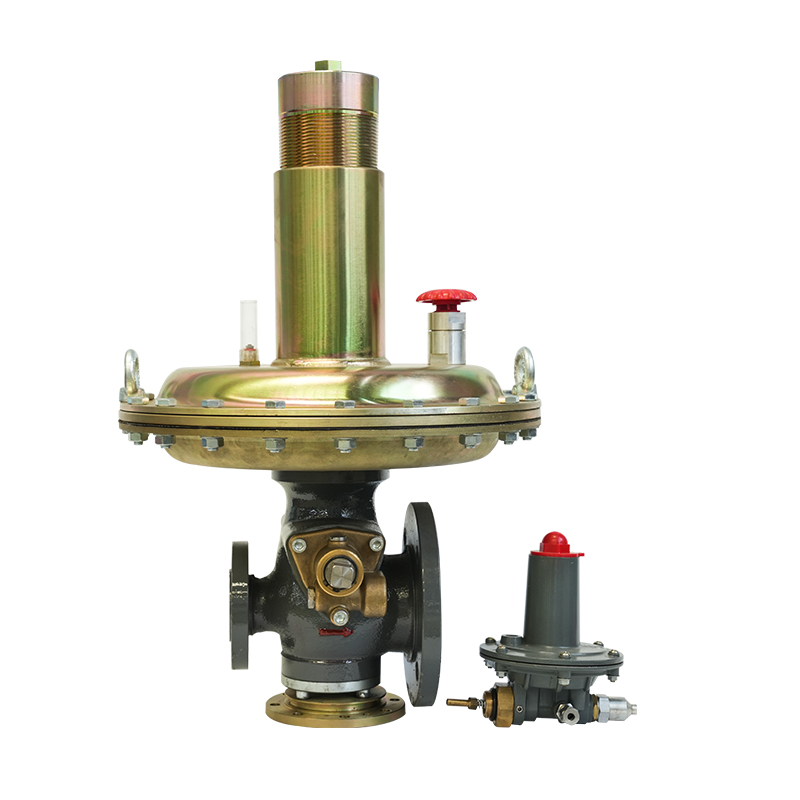
The gas pressure regulator is a key device to maintain the stability of the downstream pressure of the gas pipeline. It automatically changes the gas ...
See Details
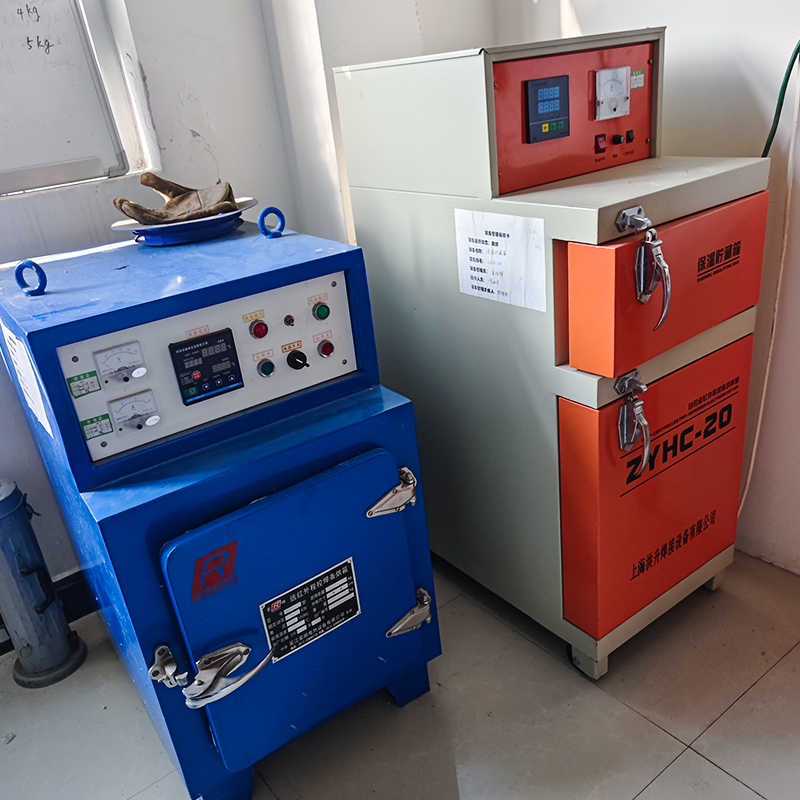
The welding rod baking and insulation box is an important equipment in welding engineering, mainly used for drying and heat preservation of welding ro...
See Details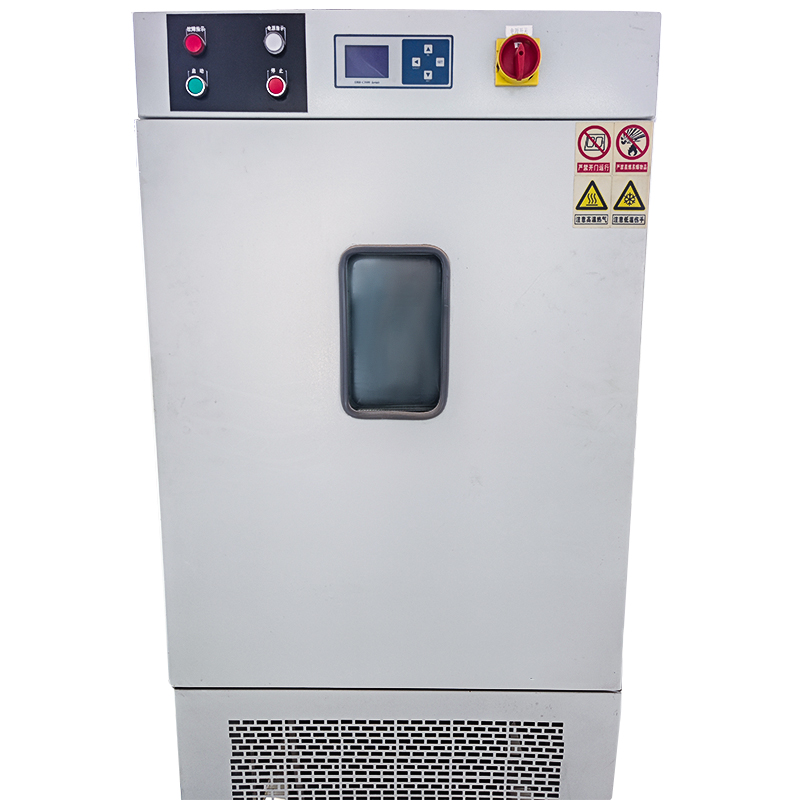
The film test high and low temperature chamber is a device specially used to test the stability and reliability of material films under different temp...
See Details
The company is a manufacturer specializing in gas transmission and +distribution equipment and gas pressure regulators. It is a professional manufacturer integrating the research and development, design, manufacturing, marketing and after-sales service of gas equipment.
Phone: +86 138-5131-2088
Tel: +86 0515-83918669
Email: [email protected]
Add: No. 13, Yongchuang Road, Dazhong Industrial Park, Dafeng District, Yancheng City, Jiangsu Province, China
Copyright © Jiangsu Changrun Intelligent Gas Equipment Co., Ltd All Rights Reserved.
Custom Smart Gas Pressure Regulators Manufacturers, Suppliers
 Login
Login
Contact Us