 English
 русский
 Español
 عربى
عربىNatural gas pressure reducing valve, gas pressure regulator
Industrial LPG pressure regulator, also known as industrial LPG pressure regulator, is divided into high pressure and low pressure. This pressure regu...
See Details


Request a Quote
Content
When a city gate station receives natural gas from a long-distance transmission pipeline, the inlet pressure can reach 4.0 MPa or higher. Before that gas reaches a residential building regulator, it must be stepped down to around 0.2 to 0.4 MPa. Meanwhile, at an LNG receiving terminal, the same system may include components exposed to cryogenic temperatures as low as -162°C. Every pressure reduction stage, every overpressure event, and every particle of debris that enters the flow relies on a specific part to keep the system safe.
This is what the procurement category of oil and natural gas parts really means. It is not a single product family. It covers pressure-regulating valves, safety relief devices, filtration components, and the test equipment used to verify their performance. Getting a bill of materials right depends on understanding media conditions, pressure ratings, material selection, and the compliance standards that apply to each component. This guide walks through the main categories, the engineering parameters that define a good part, and the sourcing criteria that separate a reliable supplier from a risky one.
In industrial sourcing, oil and natural gas parts refers to the mechanical components and assemblies that keep gas transmission, distribution, and utilization systems operating under controlled pressure and clean flow conditions. Some definitions, such as the U.S. Energy Information Administration's glossary, use the word "parts" to describe the physical output fractions of a well, such as crude oil, natural gas, and lease condensate. In a B2B procurement context, however, the term points to engineered components with defined pressure ratings, material grades, and test requirements.
Four categories cover the vast majority of real purchase orders:
Within a gas pressure-regulating station, these parts work as one integrated system. The filter protects the regulator from contamination. The regulator controls outlet pressure. The safety relief valve acts as a final layer of protection if the regulator fails or the downstream demand drops suddenly. Selecting each part in isolation, without checking how it interacts with the others, is a common source of operational problems.
A natural gas pressure regulator is the most safety-critical part in most distribution systems. Its job is to maintain a constant outlet pressure even when the inlet pressure varies, the flow rate changes, or the gas temperature shifts. For example, a pipeline gas pressure regulator serving a small industrial customer may need to hold outlet pressure within ±5% across a flow range from 10% to 100% of rated capacity. High-pressure natural gas regulators used in city gate stations must handle inlet pressures up to 4.0 MPa or more while delivering stable downstream pressure for the entire network.
The internal construction matters as much as the pressure rating. The diaphragm material must remain flexible across the operating temperature range. The valve seat must resist erosion from high-velocity gas flow. The spring must provide consistent force without taking a permanent set over years of service. For severe service conditions, such as LPG systems or cold-climate installations, specifiers often require specialized designs. A well-documented guide to oil and gas parts materials, ratings, and API compliance can help narrow down which regulator design fits a given duty. When the operating parameters are clear, a natural gas pipeline pressure regulator built to match those parameters becomes a straightforward specification rather than a gamble.
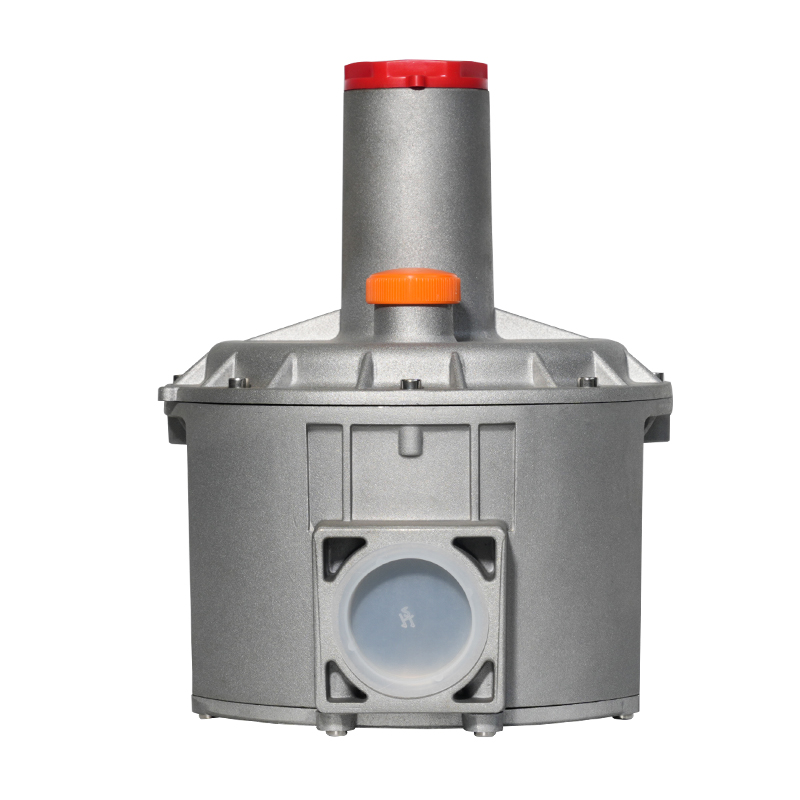 Natural And Pipeline Gas Pressure Regulators SuppliersJiangsu Changrun Is China Custom Pipeline Gas Pressure Regulators And Natural Gas Pressure Regulator Suppliers, Manufacturers, Offer Desi...View Product →
Every pressure-regulating system must have a defined overpressure protection strategy. A safety relief valve is typically set to open slightly above the maximum allowable operating pressure of the downstream equipment. If a regulator fails in the open position, the relief valve must be capable of venting the full upstream flow while keeping the downstream pressure within acceptable limits.
Two criteria matter most when selecting a relief valve: set pressure accuracy and reseating capability. Set pressure accuracy determines how close the valve opens to its stamped set point. Reseating capability determines whether the valve closes tightly enough after a discharge event to avoid constant weeping, which wastes gas and damages the valve seat. A gas automatic relief valve with safety relief functionality must also be sized correctly for the worst-case fault scenario, not for the normal operating flow. Undersized relief valves are a recurring finding in gas system audits because they are selected based on pipe size rather than fault flow.
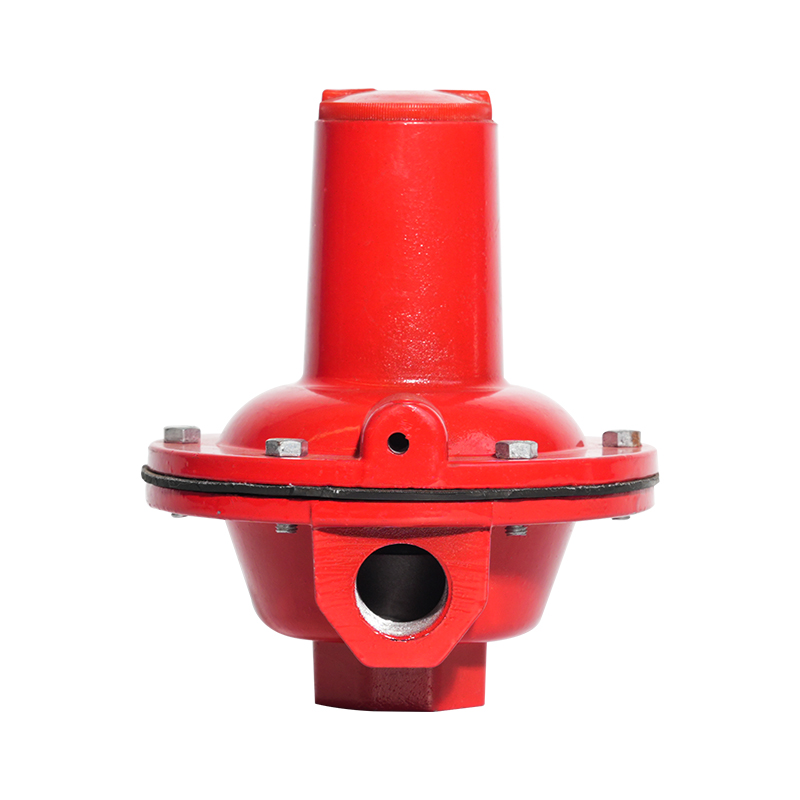 Custom Design Gas automatic relief valve, gas relief valve, safety relief valve Jiangsu Changrun Intelligent Gas Equipment Co., Ltd. is China Custom Design Gas automatic relief valve, gas relief valve, safety relief v...View Product →
Natural gas is rarely clean when it reaches a distribution network. Pipe scale, welding slag, sand, and corrosion byproducts travel with the gas stream and settle at the lowest points in the pipeline, which is usually exactly where the regulator station is located. A filter or strainer installed upstream of the regulator traps these particles before they can damage the valve seat or interfere with the regulator's closing action.
Y-type strainers are the most common filtration component in gas distribution. They are available in flanged and threaded versions, with mesh sizes selected based on the downstream equipment's sensitivity. A regulator with a small orifice and a tight shut-off requirement typically needs a finer mesh than a rugged ball valve. The pressure drop across the strainer is also a design consideration. As the mesh catches debris, the pressure drop increases, which means the regulator's inlet pressure drops. If the strainer is undersized, the increasing differential pressure can eventually starve the downstream system. A PN16 flanged ductile iron Y-type strainer in DN50 or DN80 is a typical choice for medium-pressure distribution networks where filter capacity and flow performance need to stay balanced over the full service interval.
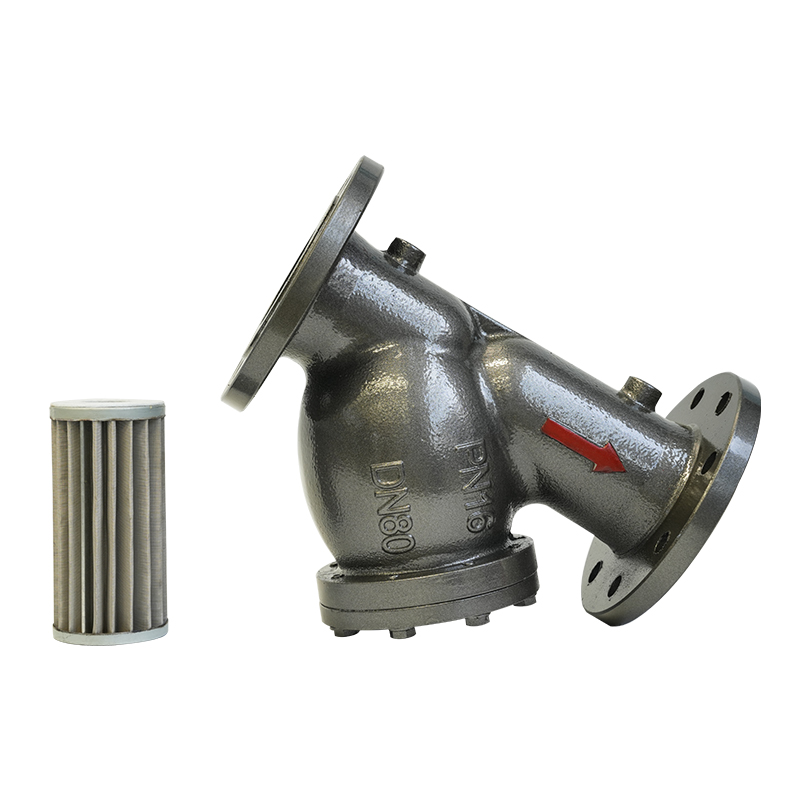 Custom High Pressure Y Type Strainer Suppliers, ManufacturersAs China Custom High Pressure Y Type Strainer Suppliers, Manufacturers, Jiangsu Changrun Offer Design PN16 DN50/DN80 flanged ductile iron...View Product →
The performance of oil and natural gas parts is only as trustworthy as the testing behind them. A manufacturer that claims a regulator holds outlet pressure within a certain tolerance should be able to prove it with a static characteristic test bench. Spring force, which determines set pressure and regulator response, should be verified on a spring testing machine. For components used in cold climates, film high-and-low-temperature chambers test whether the diaphragm and other polymer parts can survive the specified minimum temperature without cracking. X-ray inspection rooms verify the integrity of welded joints in pressure-containing parts.
These test devices are not just production tools. When evaluating a supplier, asking which test equipment the factory operates and what records it keeps tells you whether quality claims are backed by measurement or by assumption. A supplier that owns its own test benches and weld inspection facilities can provide objective evidence of compliance; a supplier that outsources all testing leaves room for ambiguity.
Oil and natural gas parts are specified by two numbers above all others: material grade and pressure rating. They determine whether the part is metallurgically suitable for the gas composition and whether it can contain the maximum pressure it may see over its working life.
| Component | Common Material | Typical Pressure Rating | Typical Application |
|---|---|---|---|
| Y-type strainer | Ductile iron | PN16 (1.6 MPa) | Medium-pressure distribution networks |
| Gas pressure regulator | Cast iron body, stainless steel trim | PN16 to PN40 | City gate stations, industrial supply lines |
| Safety relief valve | Brass or cast iron | Set-pressure dependent | Regulator station overpressure protection |
| Cryogenic LNG components | Stainless steel (CF8M, 316) | ANSI 150 to ANSI 300 | LNG vaporizers, low-temperature piping |
Pressure ratings directly determine the wall thickness, flange class, and bolting requirements of each component. A PN16-rated ductile iron part has a maximum allowable pressure of 1.6 MPa at ambient temperature. If the operating pressure sits at 1.5 MPa, the part is working at more than 90% of its rated capacity, which leaves little margin for surge events. For parts purchased in bulk, one bad material lot combined with a marginal pressure rating is a failure waiting to happen.
In the oil and gas industry, compliance standards exist to harmonize dimensions, materials, and test methods across different manufacturers. For valves and pressure-containing parts, API standards are the most widely recognized reference. API 6D covers pipeline valves, API 607 covers fire-test requirements for soft-seated quarter-turn valves, and related standards define pressure/ temperature ratings, material traceability, and testing procedures.
When verifying a supplier's compliance, do not accept a generic "certified" claim. Ask for specifics: material test certificates, pressure test reports, the actual static characteristic curve for each regulator, and the calibration records for test equipment. A manufacturer that operates its own gas parts quality and compliance verification procedures can provide these documents as a matter of routine. A supplier that hesitates or offers only a general catalog is a warning sign, because consistent documentation is what allows a buyer to trace a single part back to its material lot, production date, and test results.
For high-pressure natural gas applications, pay close attention to material grades as well. A part that looks identical from the outside may differ entirely in internal material specs. Bodies made from low-grade cast iron can contain hidden porosity that only shows up after months of pressure cycling. This is why the critical process of sourcing oil and natural gas parts begins with material specification, not price comparison.
Translated into a day-to-day procurement checklist, the engineering considerations above become five concrete criteria:
One additional consideration is supplier process capability. A manufacturer that runs its own CNC machining centers, gas shielded welding machines, and shot blasting lines has direct control over dimensional accuracy, weld quality, and surface preparation. That control translates into consistent batch quality across large orders, which matters when the same regulator or strainer is installed at dozens of different sites, each with its own pressure conditions.
Oil and natural gas parts should be treated as system components, not independent commodity items. A regulator is only as reliable as the strainer protecting it and the relief valve backing it up. A relief valve is only as trustworthy as the spring inside it, which is only as good as the test equipment used to verify its force curve. When all parts are specified correctly and supported by traceable materials and documented test data, the system works quietly for years. When one link in the chain is weak, the consequences tend to show up at the least convenient moment — a cold winter night, a peak demand period, or the one hour the maintenance crew is not on site.
Define the operating parameters first. Then match the material, pressure rating, and compliance standards to those parameters. And choose a supplier whose manufacturing and testing capabilities prove, through records, that the parts will do the job they are specified to do.
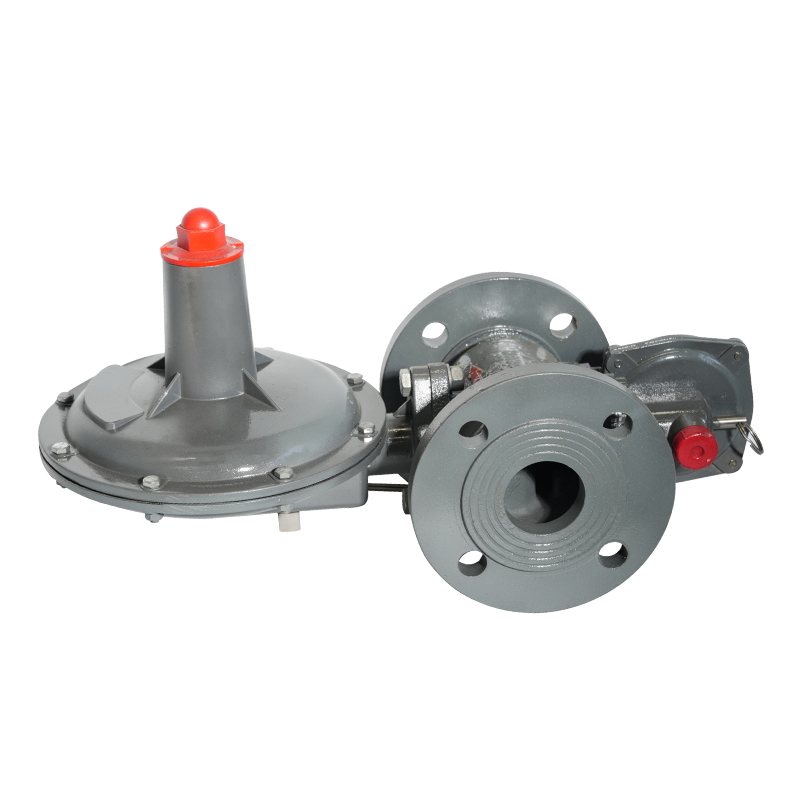
Industrial LPG pressure regulator, also known as industrial LPG pressure regulator, is divided into high pressure and low pressure. This pressure regu...
See Details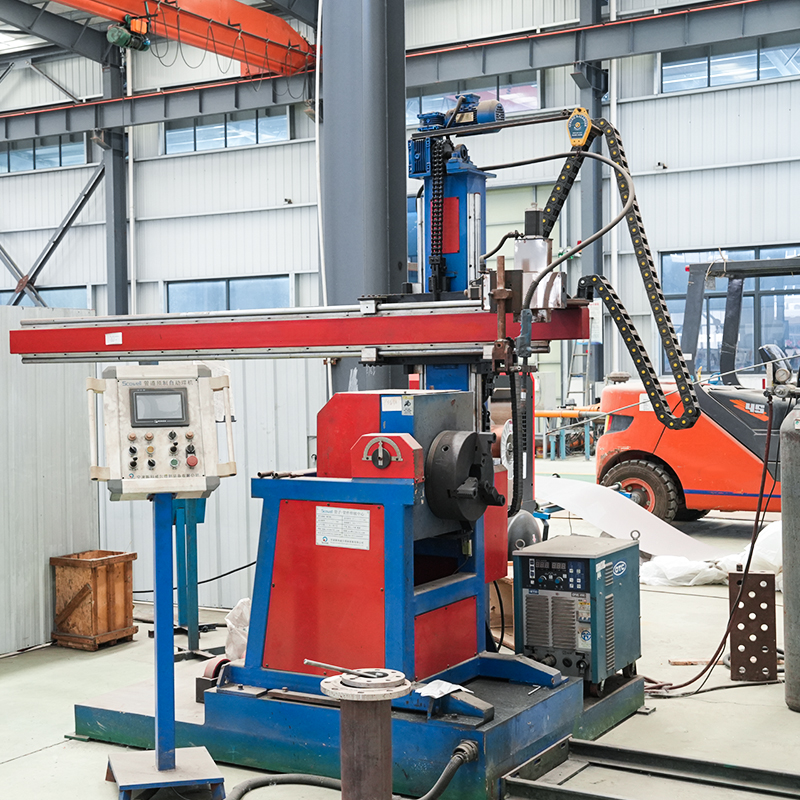
The fully automatic gas shielded welding machine is an automatic welding equipment based on advanced control technology. It combines motor control, si...
See Details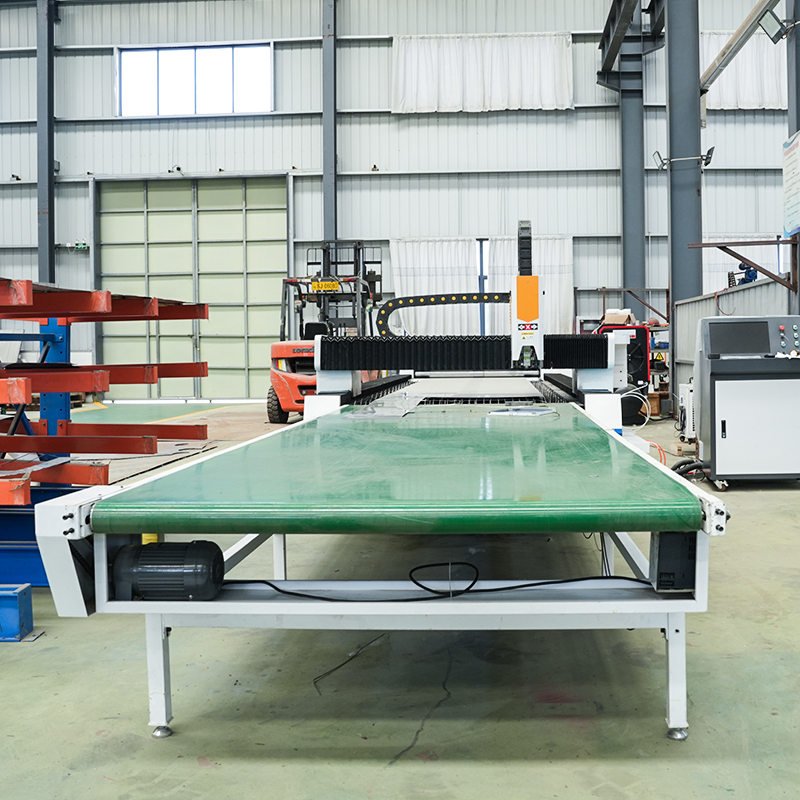
The leveling laser cutting machine is an advanced device that combines the leveling and laser cutting functions. It uses a high-precision laser beam f...
See Details
The company is a manufacturer specializing in gas transmission and +distribution equipment and gas pressure regulators. It is a professional manufacturer integrating the research and development, design, manufacturing, marketing and after-sales service of gas equipment.
Phone: +86 138-5131-2088
Tel: +86 0515-83918669
Email: [email protected]
Add: No. 13, Yongchuang Road, Dazhong Industrial Park, Dafeng District, Yancheng City, Jiangsu Province, China
Copyright © Jiangsu Changrun Intelligent Gas Equipment Co., Ltd All Rights Reserved.
Custom Smart Gas Pressure Regulators Manufacturers, Suppliers
 Login
Login
Contact Us