 English
 русский
 Español
 عربى
عربىNatural gas pressure reducing valve, gas pressure regulator
Industrial LPG pressure regulator, also known as industrial LPG pressure regulator, is divided into high pressure and low pressure. This pressure regu...
See Details


Request a Quote
Content
Direct conclusion: For oil and natural gas parts operating in corrosive environments, the optimal material strategy is a three-tiered approach: use corrosion-resistant alloys (CRAs) such as 316L stainless steel or Inconel for downhole and high-temperature sections, duplex stainless steels for moderate sour service, and engineered thermoplastics or composites (PEEK, PTFE, glass-epoxy) for seals, bearings, and electrical isolation. Pressure ratings must meet or exceed 15,000 psi for wellhead components, with temperature tolerances from -50°F to 450°F, depending on application. Full API compliance—particularly API 6A, 16A, and 17D—is non-negotiable, requiring documented material traceability, third-party testing, and strict dimensional verification. This combination of material science, engineering margins, and certified quality systems ensures safe, reliable operation across the upstream, midstream, and downstream sectors.
Critical insight: The single most common cause of premature failure in oil and gas parts is not mechanical overload but localized corrosion (pitting, crevice, or stress corrosion cracking) exacerbated by temperature cycling. Selecting materials based solely on general corrosion rates overlooks the synergistic effect of H₂S, CO₂, and chlorides. Always specify materials using NACE MR0175/ISO 15156 guidelines for sour service.
Material selection must address three aggressive agents: hydrogen sulfide (H₂S), carbon dioxide (CO₂), and chloride ions (from produced brine). The following categories are proven performers:
Every oil and natural gas part must be rated for its specific service condition. The industry uses standard classes defined by API and ASME. Below are the minimum requirements for common applications:
| Component type | Pressure rating (psi) | Temperature range (°F) | Typical material |
|---|---|---|---|
| Wellhead valves (API 6A) | 5,000 – 20,000 | -20 to 350 | Duplex SS / Inconel 718 |
| Choke valves | 10,000 – 15,000 | -50 to 450 | Carbide-coated 416 SS |
| Flange isolation kits | Up to 2,500 (ANSI 600) | -40 to 400 | G-10 / PTFE |
| Downhole packer elements | 5,000 – 10,000 | 200 – 400 | Nitrile / FKM (Viton) |
| Pipe supports & wear pads | N/A (structural) | -320 to 250 (cryo to ambient) | Laminated densified wood (Ranprex) / Glass-epoxy |
For subsea applications (depths > 3,000 feet), external hydrostatic pressure adds significant stress. Components must be proof-tested to 1.5x the working pressure. Industry data shows that using 2205 duplex instead of 316L in subsea manifolds reduces wall thickness by up to 30% while maintaining the same pressure integrity, directly lowering material costs and weight.
API (American Petroleum Institute) standards are the bedrock of quality assurance. For oil and gas parts, the relevant specifications include:
Field reality: Simply owning an API monogram is not sufficient. End-users increasingly demand third-party witness testing, meaning an independent inspector must be present during hydrostatic tests and material verification. The most common audit finding is inadequate traceability – ensure your supplier can produce a complete pedigree from raw material to finished part.
Beyond material selection, design details dramatically affect part life. Three proven strategies:
The manufacturing route influences both cost and performance. Here is a practical guide:
A hybrid approach is common: cast or forged blanks are rough-machined, then finished to tolerance on 5-axis CNC centers. This allows tight tolerances of +/- 0.001 inch, essential for valve seats and sealing surfaces.
To pass API audits, your supply chain must be transparent. Each shipment of oil and natural gas parts should include:
Industry surveys indicate that up to 15% of field failures in wellhead equipment are caused by material mix-ups (e.g., using 316L instead of 625). Routine PMI inspection at receiving docks is now standard practice among major operators.
Bottom line: Reliable oil and gas parts are not simply “strong” or “corrosion-resistant” – they are the product of deliberate material selection, precise rating calculations, and rigorous adherence to API standards. By prioritizing corrosion data, verifying pressure-temperature limits, and insisting on full traceability, engineers can dramatically reduce downtime and safety risks. When sourcing, demand suppliers who demonstrate both API certification and a track record of custom-engineered solutions.
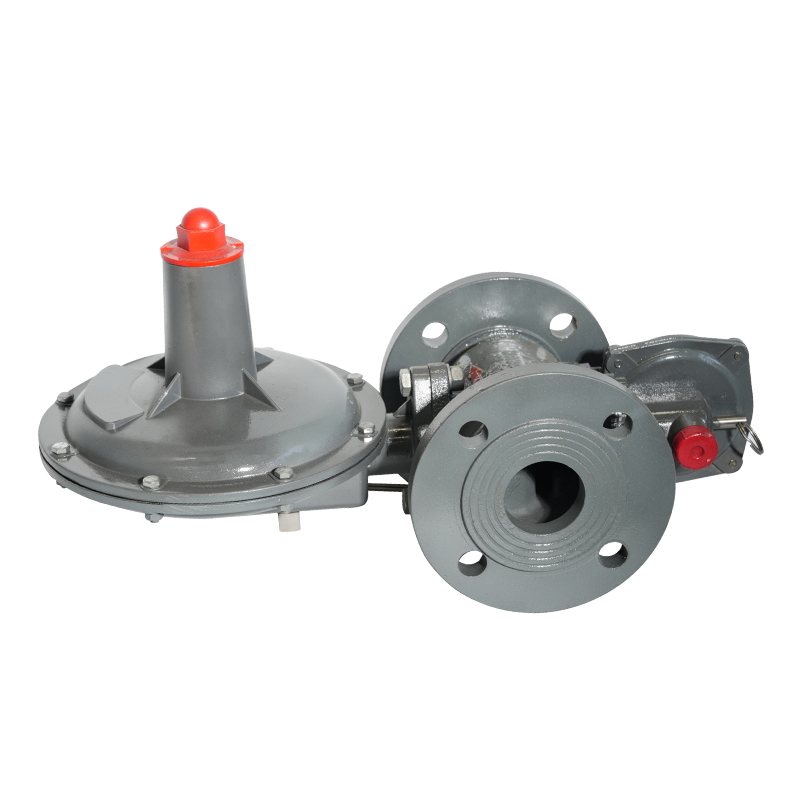
Industrial LPG pressure regulator, also known as industrial LPG pressure regulator, is divided into high pressure and low pressure. This pressure regu...
See Details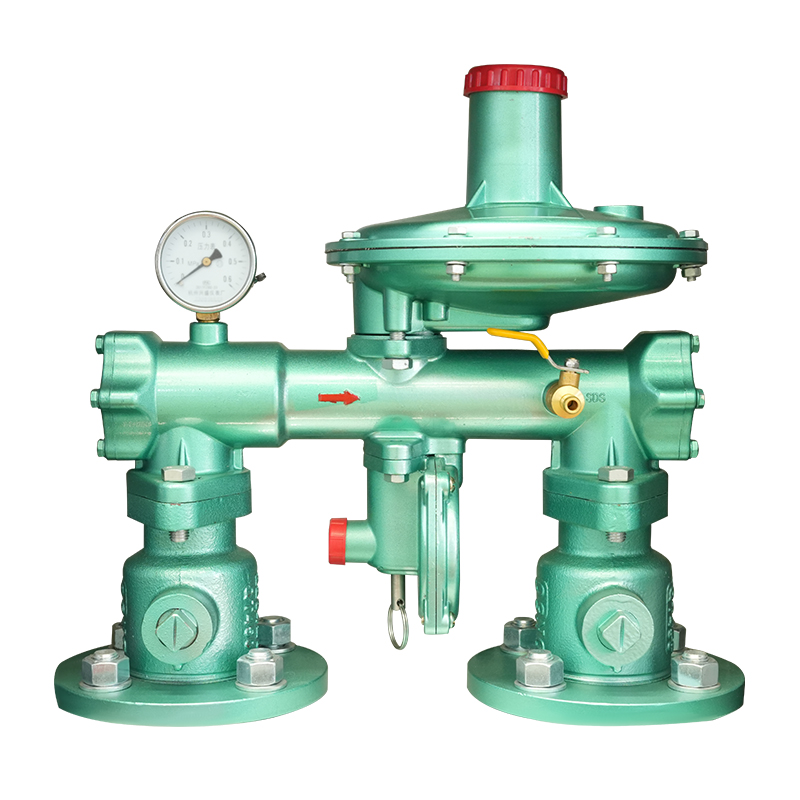
Natural gas pressure regulating box, wall-mounted building pressure regulating box is a key equipment of gas transmission pipeline. Its main function ...
See Details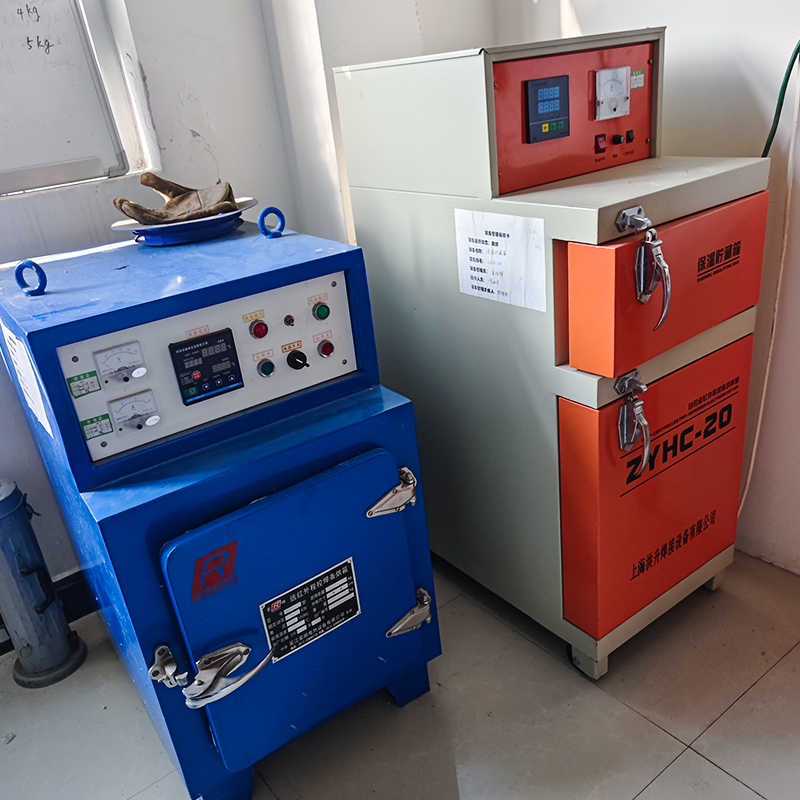
The welding rod baking and insulation box is an important equipment in welding engineering, mainly used for drying and heat preservation of welding ro...
See Details
The company is a manufacturer specializing in gas transmission and +distribution equipment and gas pressure regulators. It is a professional manufacturer integrating the research and development, design, manufacturing, marketing and after-sales service of gas equipment.
Phone: +86 138-5131-2088
Tel: +86 0515-83918669
Email: [email protected]
Add: No. 13, Yongchuang Road, Dazhong Industrial Park, Dafeng District, Yancheng City, Jiangsu Province, China
Copyright © Jiangsu Changrun Intelligent Gas Equipment Co., Ltd All Rights Reserved.
Custom Smart Gas Pressure Regulators Manufacturers, Suppliers
 Login
Login
Contact Us