 English
 русский
 Español
 عربى
عربىNatural gas pressure regulator, gas pipeline pressure regulator
The natural gas pressure regulating valve and gas pipeline pressure regulator are important pipeline system devices, mainly used to adjust and control...
See Details


Request a Quote
Content
A 40,000 cubic meter per day gas supply duty can attract two quotes that differ by a factor of three: one prices liquefied gas shipped in by tanker, the other prices gas production equipment installed at the plant fence line. The gap is not vendor markup. It reflects a structural decision about where gas is made, who absorbs transport and boil-off losses, and how quickly the plant can react to demand swings. Buyers who judge the choice on purchase price alone routinely overspend, because energy and logistics dominate the lifetime cost.
This guide condenses that decision into four questions: what gas production equipment actually includes, where the cost break-even between making and buying gas falls, which categories and specifications deserve attention, and which factory tests to demand before shipment.
Gas production equipment is the machinery that converts raw natural gas or LPG feedstock into fuel gas or liquefied product meeting defined purity, pressure and flow targets at or near the point of use. The category covers the production train itself and the fabrication machines that build it, and sourcing the two together changes warranty and interface risk.
Gas production equipment: the integrated machines, vessels and control systems that liquefy, generate or purify natural gas and LPG feedstock to specified pressure, purity and flow conditions at the point of consumption.
In practice the category splits along the process chain into four groups:
For a city-gate or industrial LNG duty, the liquefaction train is the anchor purchase, and everything downstream is sized around its daily output.
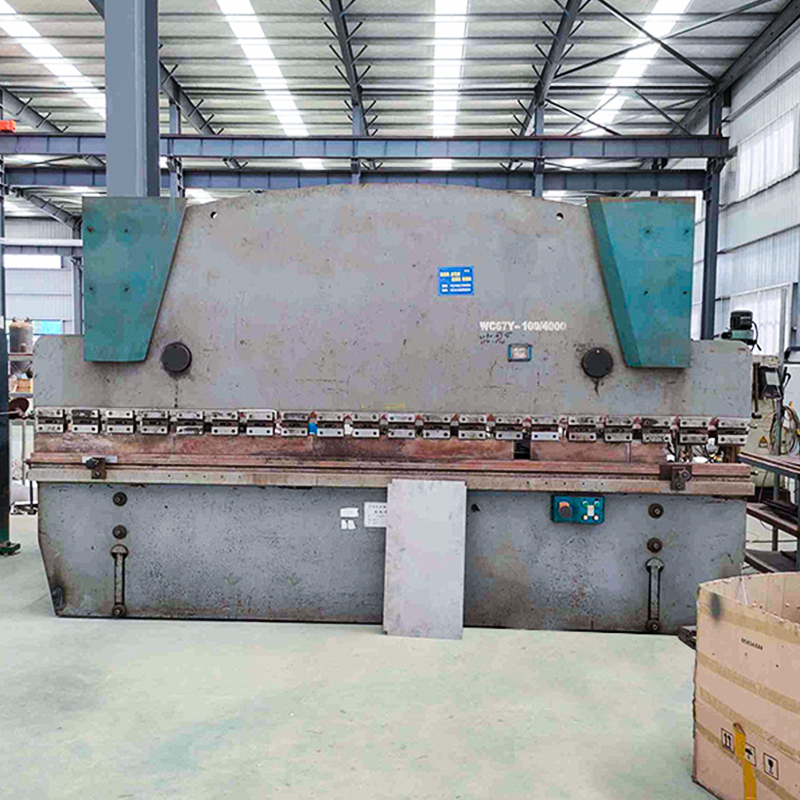 Liquefaction plant LNG plant Gas manufacturing equipmentGas automatic relief valve, gas relief valve, safety relief valveView Product →
Above roughly 1,500 cubic meters per day of continuous demand, on-site gas production equipment usually beats delivered liquid on total energy cost; below that threshold, tanker supply stays cheaper because the capital is spread over too few running hours.
Delivered Energy Cost Index by Supply Mode
Index basis: on-site production equals 100. Illustrative planning values for continuous industrial demand; actual results depend on load factor, feed prices and local logistics.
The arithmetic behind this choice, including the consumption assumptions behind each supply mode, is worked through in our analysis of on-site gas production equipment versus bulk liquid energy cost.
A complete production line is built from four equipment groups, and sourcing them from separate vendors is the fastest way to create interface gaps and split warranties.
| Equipment Group | Representative Machines | Role in the Line | Check This First |
| Liquefaction and storage | LNG plant gas manufacturing equipment with cryogenic storage | Chills and holds feed gas as LNG | Daily liquefaction capacity and insulation performance |
| Gas generation | Natural gas and LPG gas generation equipment and machines | Produces fuel gas on demand at the plant | Turndown ratio against minimum night load |
| High purity production | High purity natural gas and liquefied gas production machinery | Removes moisture, sulfur and heavies for precision users | Guaranteed outlet purity and dew point |
| Fabrication and finishing | Fully automatic gas shielded welding machine, leveling laser cutting machine, through-type shot blasting machine | Builds and finishes skids, vessels and piping | Weld records and surface preparation grade |
Interface responsibility is worth real money: one supplier accountable for generation, fabrication and testing closes the gaps where commissioning delays usually hide.
Jiangsu Changrun Intelligent Gas Equipment Co., Ltd. manufactures across all four groups and publishes its full gas production equipment range on a single catalogue page, which makes it easier to hold one party to the interface.
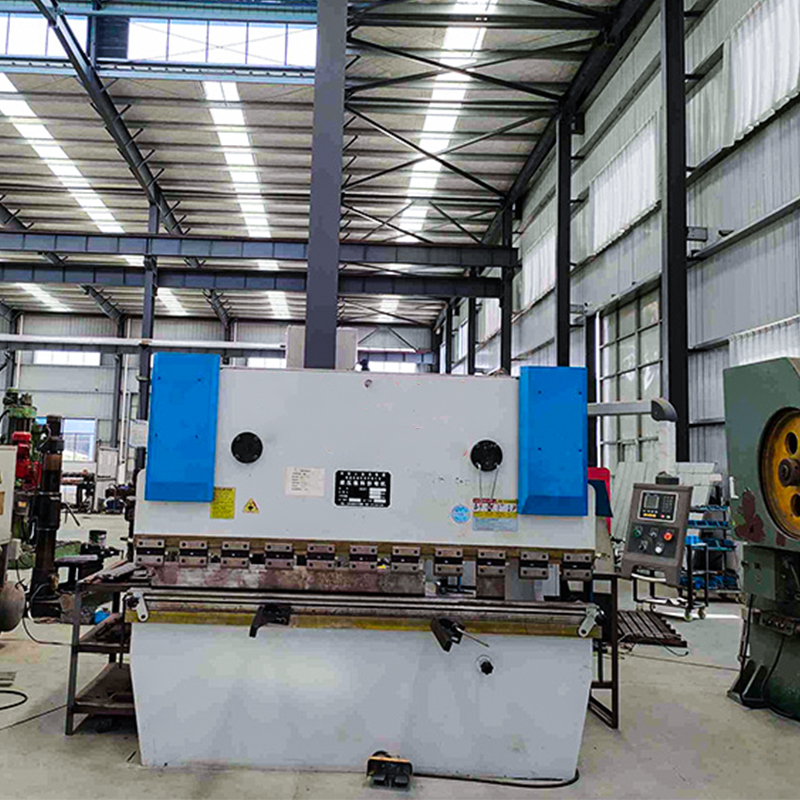 Natural gas/LPG gas generation equipment and machinesGas automatic relief valve, gas relief valve, safety relief valveView Product →
Specify the purity grade the duty actually needs; every extra nine in the specification adds pretreatment stages, energy draw and purchase price without adding value at the burner.
Fuel gas for kilns, boilers and dryers tolerates a broad specification, which is why standard generation machinery is the economical choice for most industrial duties. Precision applications, from specialty heating to sensitive chemical processes, justify high purity machinery because contamination there costs scrap and rework, not just fuel.
Define dew point and total sulfur limits before purity percentages. Moisture and sulfur cause the corrosion, hydrate formation and catalyst poisoning that actually stop production lines, and they are cheap to prevent at the design stage.
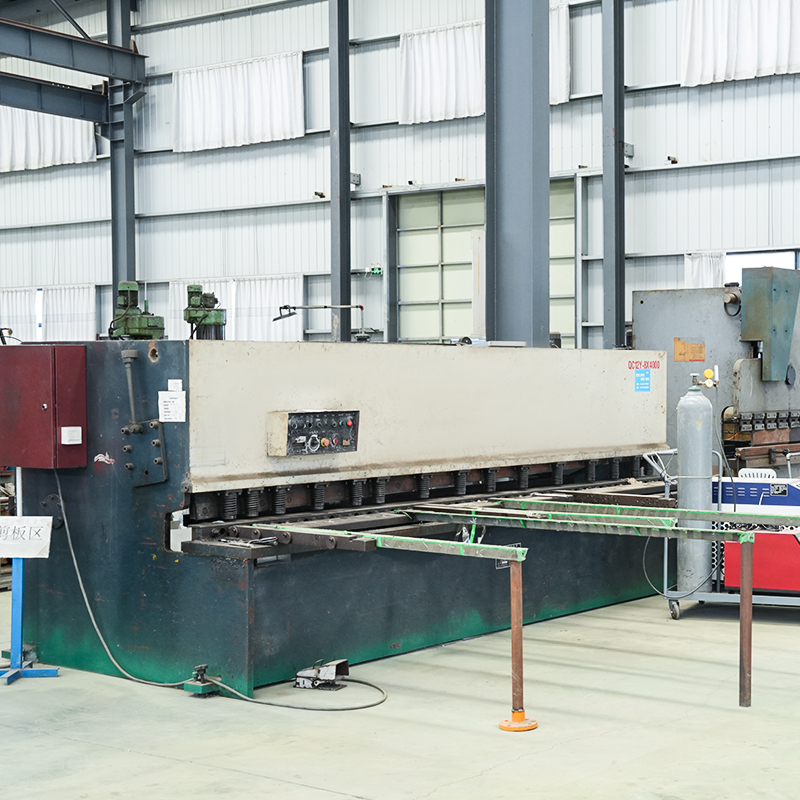 High-Purity Natural Gas and Liquefied Gas Production MachineryHigh-purity gas production equipment demands careful specification before purchase. Defining dew point and total sulfur limits ahead of purity percentages prevents corrosion, hydrate formation and catalyst poisoning, while avoiding unnecessary pretreatment stages and cost from over-specified purity grades.View Product →
Sizing errors, not machine quality, cause most underperforming gas production installations, so fix five numbers before any vendor visit.
A quotation that does not state turndown ratio, dew point guarantee and utility consumption is a price tag, not a proposal. Send it back.
Ask for test records rather than certificates alone: regulator test bench runs, weld films and spring test data prove the machine, paper alone does not.
Quality shows up in checkable evidence. A regulator static characteristics test bench run documents how the regulating valve holds outlet pressure across the flow range. Spring testing records back the safety valve calibration, X-ray films show weld penetration inside vessels and piping, and high and low temperature chamber reports prove that diaphragms and seals survive the thermal cycles they will face in service. A manufacturer that runs these tests in-house hands over records the same week instead of after a third-party queue.
Ask for a witnessed test at named pressures, with output purity and dew point recorded in the protocol. Thirty minutes at the factory prevents months of commissioning disputes.
The production train, meaning liquefaction plant machinery, gas generation sets and high purity machinery, plus the fabrication equipment that builds the skids, such as fully automatic gas shielded welding machines, laser cutting lines and shot blasting machines.
No. Below roughly 1,500 cubic meters per day of continuous demand, or on seasonal and standby duties, bulk liquid delivery usually costs less because the capital sits idle. At high load factors the 30 to 60 percent delivery premium outweighs financing and maintenance, and producing on site wins.
Dew point paired with total sulfur limits. Together they prevent hydrate formation, corrosion and catalyst poisoning, the three failure modes that most often stop a gas supply line.
Yes, and it is usually the safer contract shape. A manufacturer that builds generation machinery, fabricates skids with its own welding and cutting lines, and tests regulators and welds in-house can accept end-to-end interface responsibility.
Buy against load profile and test records, not against the lowest quotation, and gas production equipment becomes a cost reducer within two to three years.
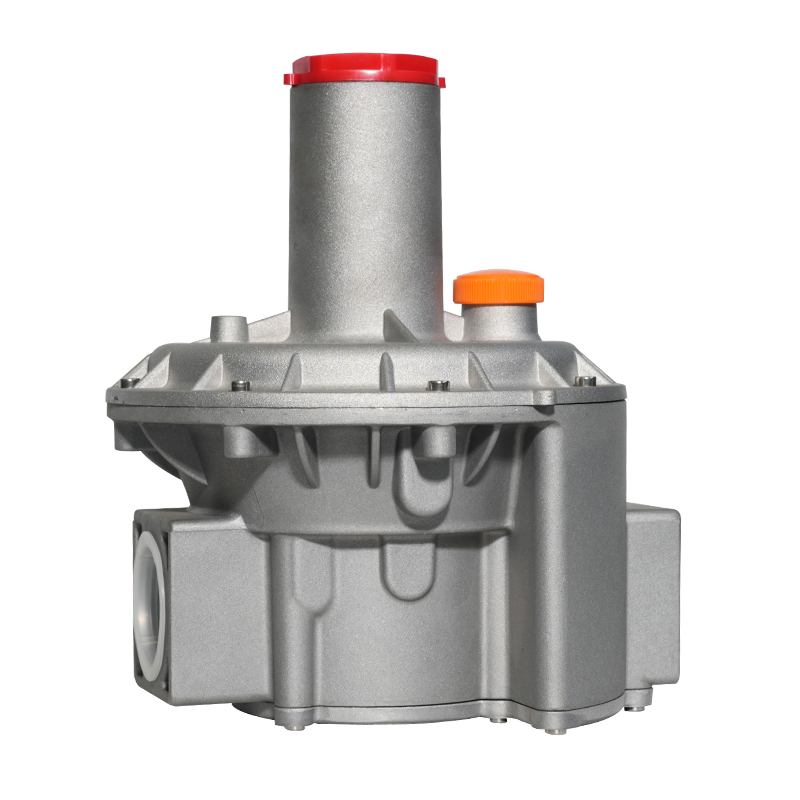
The natural gas pressure regulating valve and gas pipeline pressure regulator are important pipeline system devices, mainly used to adjust and control...
See Details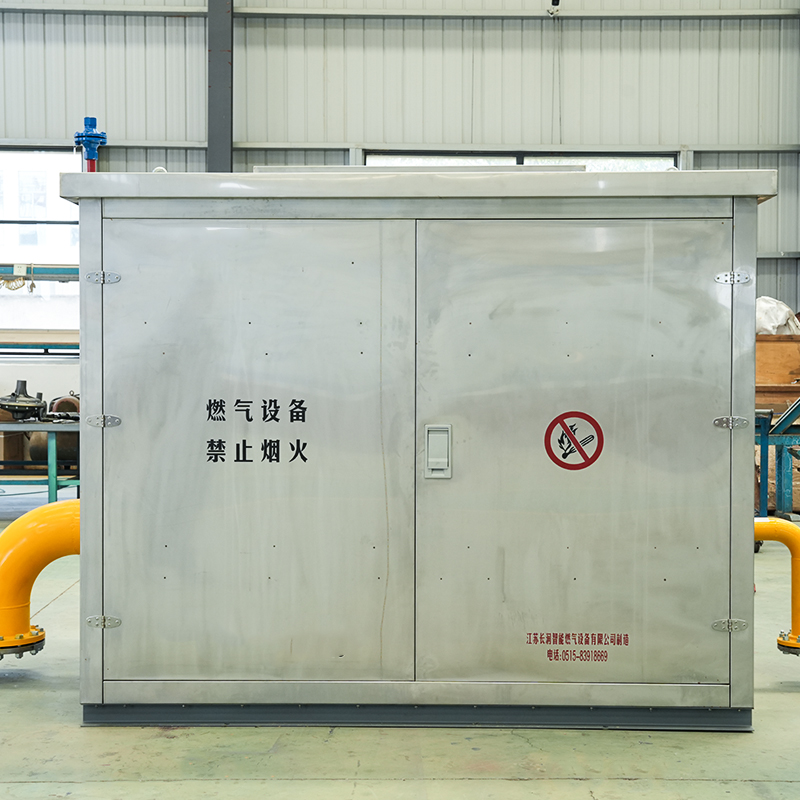
The stainless steel gas pressure regulating cabinet, and gas pressure regulating box are mainly made of high-strength stainless steel, and the outer s...
See Details
Natural gas/LPG gas generator is a device specially used to convert natural gas or LPG into electrical energy. The device connects the engine and the ...
See Details
The company is a manufacturer specializing in gas transmission and +distribution equipment and gas pressure regulators. It is a professional manufacturer integrating the research and development, design, manufacturing, marketing and after-sales service of gas equipment.
Phone: +86 138-5131-2088
Tel: +86 0515-83918669
Email: [email protected]
Add: No. 13, Yongchuang Road, Dazhong Industrial Park, Dafeng District, Yancheng City, Jiangsu Province, China
Copyright © Jiangsu Changrun Intelligent Gas Equipment Co., Ltd All Rights Reserved.
Custom Smart Gas Pressure Regulators Manufacturers, Suppliers
 Login
Login
Contact Us