 English
 русский
 Español
 عربى
عربىNatural gas pressure reducing valve, gas pressure regulator
Industrial LPG pressure regulator, also known as industrial LPG pressure regulator, is divided into high pressure and low pressure. This pressure regu...
See Details


Request a Quote
Content
Gas arrives at a city gate station at anywhere from 200 to 1,500 psi, yet the water heater at the end of the street runs on roughly 0.25 psi. Everything that makes that drop safe, metered, and repeatable is what engineers group under gas transmission and distribution equipment, and every purchasing decision about it starts with three questions: how the pressure is staged, how clean the gas is, and who is watching the station.
Gas transmission and distribution equipment is best understood as a chain of five equipment classes, each solving one specific problem between the high pressure pipeline and the end user.
The five classes map directly onto physical locations:
Pressure is reduced in stages, never in one step, because each stage must hold a stable outlet while flow swings between night minimums and winter peaks.
A typical profile: compressor stations hold the transmission main between 200 and 1,500 psi, replacing what friction consumes. At the city gate, the first major cut drops gas to distribution levels while meters record volume and odorant is injected. District stations trim pressure again for medium pressure mains, and a service regulator at each building makes the final cut to about 0.25 psi.
The regulator is the component your network will judge you on, because it is the only piece of gas transmission and distribution equipment that end users feel directly whenever pressure wobbles.
Five specifications separate a serious regulator from a mediocre one:
Suppliers such as Jiangsu Changrun Intelligent Gas Equipment Co., Ltd. cover these variables with dedicated product families: high pressure regulating valves for transmission level inlets, industrial reducing regulators, pipeline regulators for city networks, and LPG specific units with elastomers chosen for vaporized petroleum gas.
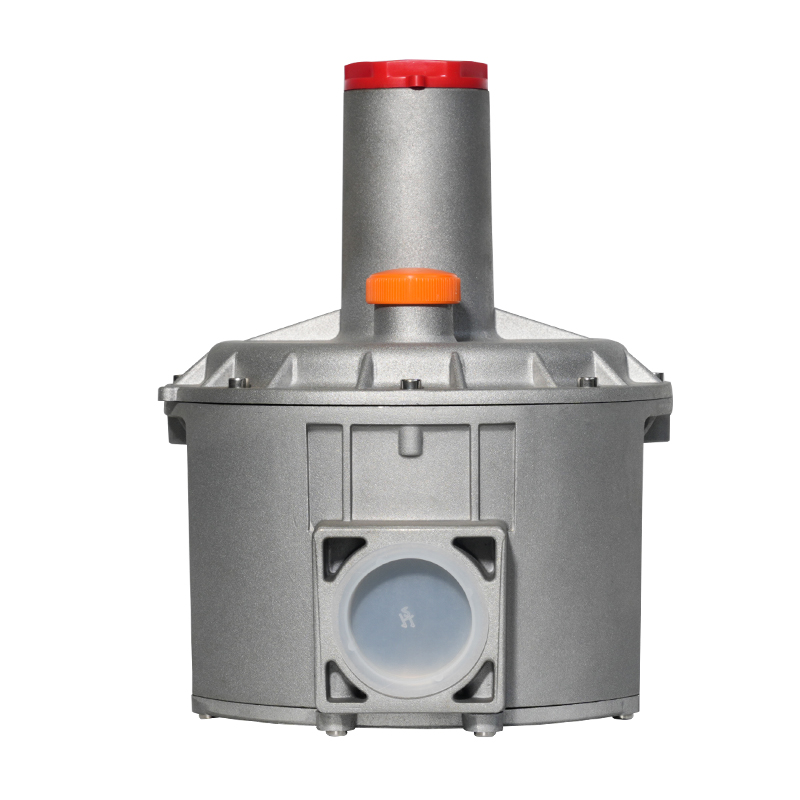 Gas Pressure Regulators for Transmission, Industrial and LPG LinesThis regulator family covers transmission inlets, industrial reducing duty, city network lines, and LPG-specific service, giving stations a controlled pressure path that protects downstream equipment and reduces pressure complaints.View Product →
Clean gas and a controlled failure path are prerequisites rather than accessories, because a regulator seat scored by pipe scale is the most common root cause behind station pressure complaints.
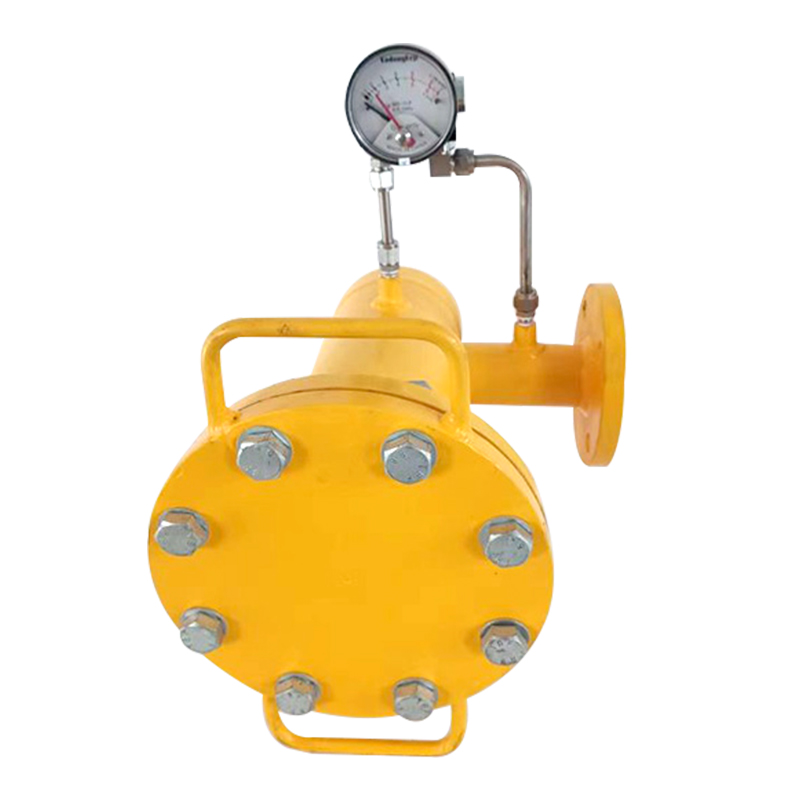 Gas Filter with Differential Pressure Gauge for LPG and Natural GasA Y-type filtration solution in multiple flanged sizes with a differential pressure gauge, designed to remove pipe scale before it reaches regulator seats, the most common cause of station pressure problems.View Product →
A regulating station that cannot be observed is a station that can only be defended after something goes wrong; modern designs solve that by building telemetry into the enclosure itself.
Wall mounted building boxes handle single building loads, while steel and stainless steel regulating cabinets serve district and industrial demand, and modular internal layouts let technicians exchange regulators and filters without hot work on site. Jiangsu Changrun Intelligent Gas Equipment Co., Ltd. pairs such cabinets with remote transmission SCADA systems, so dispatch sees pressure, temperature, and valve status live and responds to alarms in seconds rather than on the next patrol.
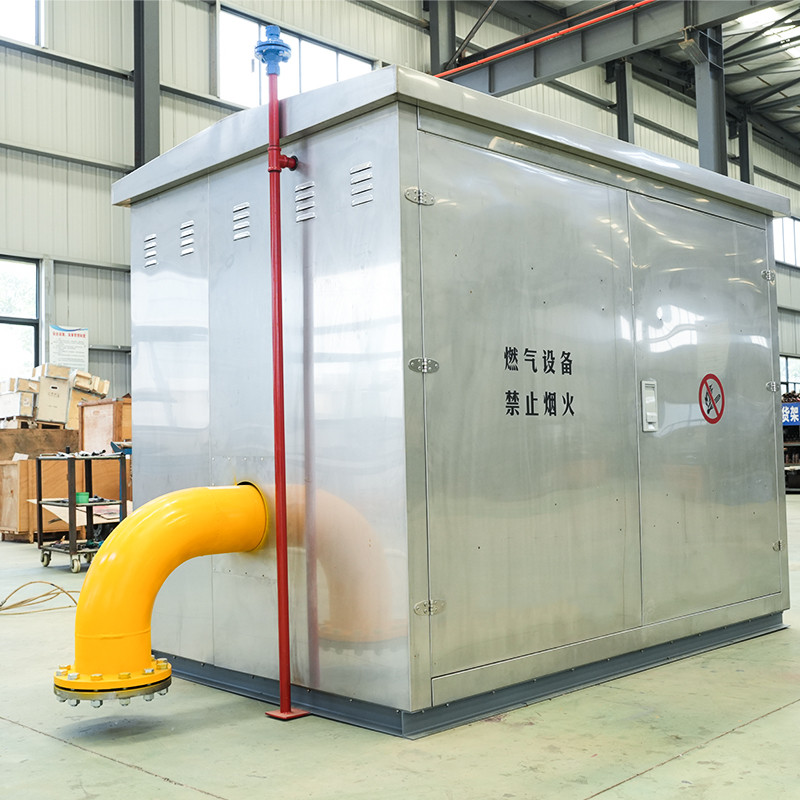 Stainless Steel Gas Pressure Regulating Cabinet with SCADA IntegrationSteel and stainless steel regulating cabinets for district and industrial loads, with modular internals for tool-free regulator and filter exchange, paired with remote SCADA transmission of pressure, temperature, and valve status.View Product →
The measurable payoff of intelligent management of the natural gas transmission process is shorter outage response, evidence based maintenance scheduling, and a documented pressure history for every station in the network.
Purchasing decisions get easier when every supplier is asked for the same four things: written pressure classes, factory test documentation, material traceability, and practical service access. Use the scope below as the baseline for quotations.
| Equipment | Role in the chain | Typical location | First spec to verify |
| Pipeline pressure regulator | Holds outlet pressure under varying flow | City gate, district station, building inlet | Inlet class and flow capacity (Cg or Kv) |
| Filter or Y-type strainer | Removes particulates before regulation | Upstream of regulators and meters | Filtration rating and housing pressure rating |
| Safety relief valve | Vents overpressure from regulator failure | Downstream of every regulator | Set pressure and relieving capacity |
| Regulating box or cabinet | Houses and protects regulation equipment | District, industrial, building supply | Structural strength and corrosion protection |
| SCADA monitoring | Telemetry, alarms, pressure history | Station level and dispatch center | Protocol compatibility and alarm latency |
Transmission equipment moves gas long distances at 200 to 1,500 psi and includes compressor stations and large valve assemblies. Distribution equipment takes over at the city gate: regulators, cabinets, filters, and meters that deliver gas at 0.25 to 200 psi to end users.
Most residential service regulators deliver around 0.25 psi, roughly seven inches of water column, which is what standard appliance controls expect at the inlet.
No. A single stage cut that large causes severe cooling, icing risk, and poor accuracy across the flow range. Practical stations stage the reduction through a gate station, district regulators, and a service regulator.
Let evidence drive the schedule: service filter elements when the differential pressure gauge shows loading, and inspect regulators at least annually under common utility practice, with records kept per station.
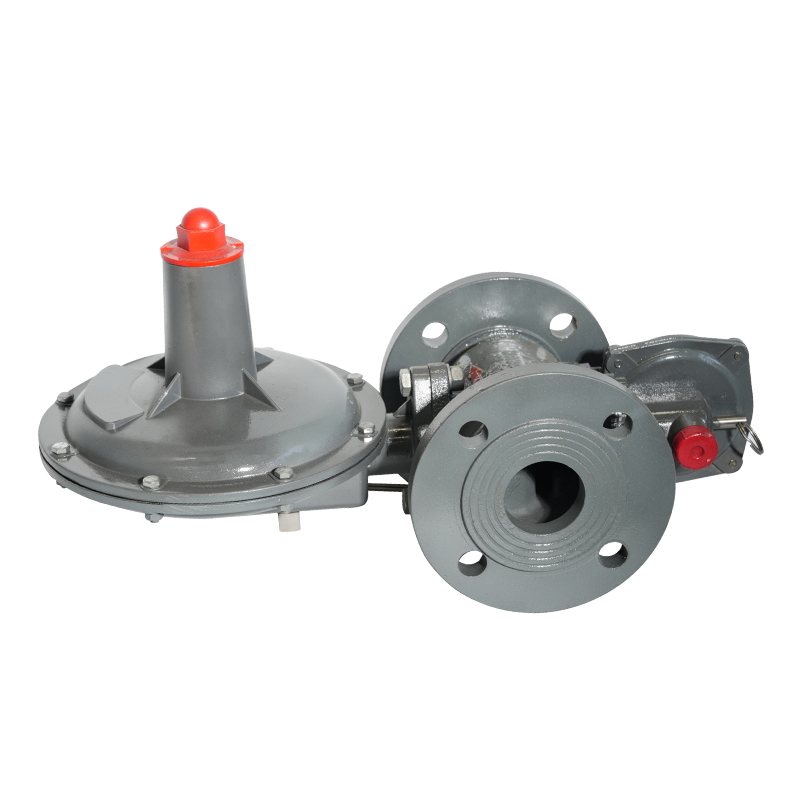
Industrial LPG pressure regulator, also known as industrial LPG pressure regulator, is divided into high pressure and low pressure. This pressure regu...
See Details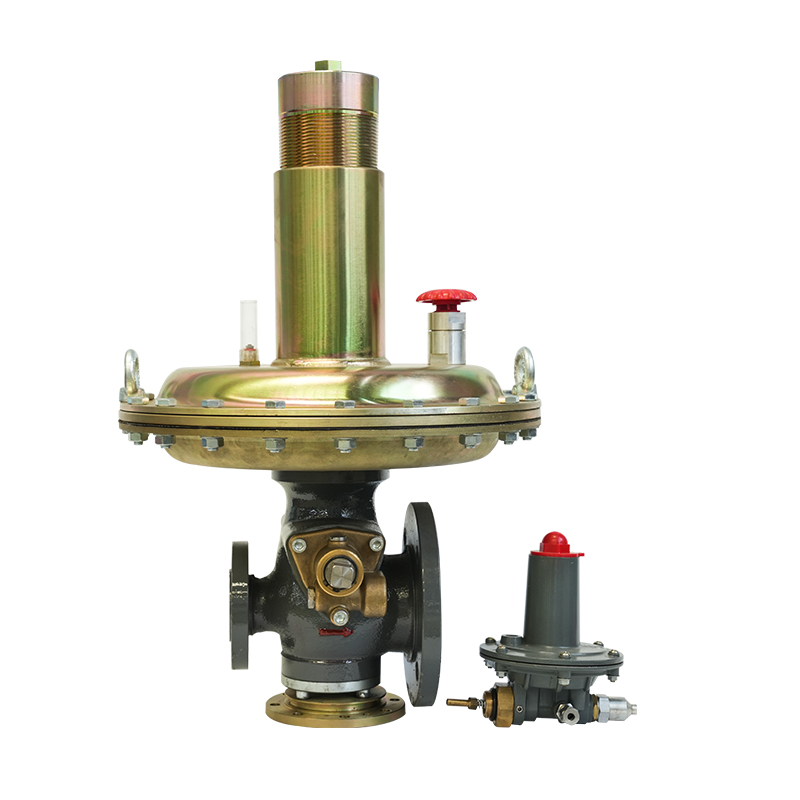
The gas pressure regulator is a key device to maintain the stability of the downstream pressure of the gas pipeline. It automatically changes the gas ...
See Details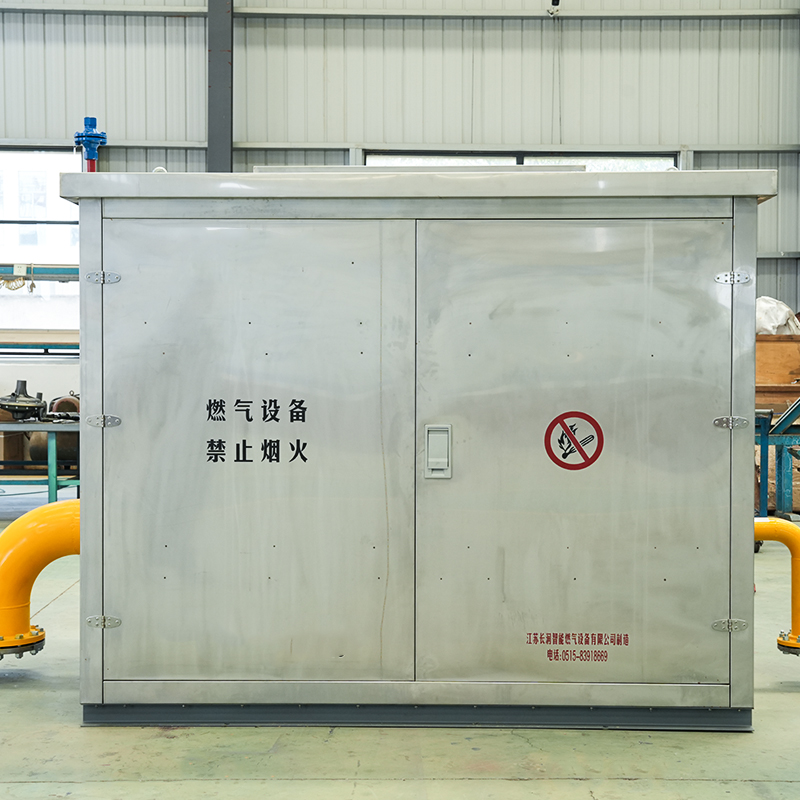
The stainless steel gas pressure regulating cabinet, and gas pressure regulating box are mainly made of high-strength stainless steel, and the outer s...
See Details
The company is a manufacturer specializing in gas transmission and +distribution equipment and gas pressure regulators. It is a professional manufacturer integrating the research and development, design, manufacturing, marketing and after-sales service of gas equipment.
Phone: +86 138-5131-2088
Tel: +86 0515-83918669
Email: [email protected]
Add: No. 13, Yongchuang Road, Dazhong Industrial Park, Dafeng District, Yancheng City, Jiangsu Province, China
Copyright © Jiangsu Changrun Intelligent Gas Equipment Co., Ltd All Rights Reserved.
Custom Smart Gas Pressure Regulators Manufacturers, Suppliers
 Login
Login
Contact Us