 English
 русский
 Español
 عربى
عربىNatural gas valve pressure regulator gas regulating valve
LPG Pressure Regulator Industrial gas pressure regulator is a key device to ensure the safe use of gas. This regulating valve is mainly used to contro...
See Details


Request a Quote
Content
A natural gas pressure regulator is an essential safety device within any gas supply system, designed to automatically manage and reduce the high pressure from the supply line to a safe, consistent, and usable level for household appliances. The core principle of its operation involves a delicate balance of forces. Incoming gas pressure acts upon a diaphragm inside the regulator's body. This diaphragm is connected to a valve that controls the flow of gas. A spring, set to a specific tension, provides a counterforce against the diaphragm. When downstream appliances are not in use and pressure builds, the increased pressure pushes against the diaphragm, compressing the spring and gradually closing the valve to restrict flow. Conversely, when an appliance is turned on and gas pressure drops, the spring force pushes the diaphragm open, allowing more gas to flow through. This continuous, automatic adjustment ensures that your appliances receive a steady, low pressure regardless of fluctuations in the main supply line, which is critical for both safety and equipment longevity.
Choosing the correct gas pressure regulator is not a one-size-fits-all process and requires careful consideration of several factors to ensure both safety and performance. One of the primary distinctions lies between single-stage and two-stage regulation. A single-stage regulator reduces the supply pressure to the appliance pressure in a single step, which is sufficient for many applications where the inlet pressure is relatively stable and the outlet pressure does not require extreme precision. However, for systems with significant inlet pressure variations or where a highly consistent outlet pressure is paramount, a two-stage regulator system is recommended. This configuration uses two regulators in series to achieve a more stable pressure reduction. The first stage handles the bulk of the pressure drop, while the second stage provides a final, precise adjustment, effectively eliminating fluctuations and ensuring appliance performance remains optimal. Beyond the type of regulation, proper sizing is crucial. This involves calculating the total British Thermal Unit (BTU) requirement of all appliances that will be operating simultaneously and ensuring the regulator's flow capacity, inlet and outlet pressure ratings, and connection sizes are compatible with your specific gas system requirements.
The installation of a gas pressure regulator is a task that demands precision and should ideally be performed by a qualified and licensed professional. Incorrect installation can lead to gas leaks, improper pressure regulation, and serious safety hazards. The process begins with selecting an appropriate location that is well-ventilated, easily accessible for future inspection or maintenance, and protected from physical damage and environmental elements. The regulator must be installed with the flow direction correct, as indicated by the arrow on its body, and it is typically positioned upstream of all appliance shutoff valves. Proper pipe preparation, including deburring and the application of approved pipe thread sealant, is essential to prevent leaks. Following physical installation, the system must be thoroughly checked for leaks using a soap solution or a specialized gas leak detector. Finally, the outlet pressure must be verified and adjusted using a manometer to match the specifications required by the local gas code and the connected appliances, a critical step that confirms the regulator is functioning as intended.
A malfunctioning gas pressure regulator can present several telltale signs that should never be ignored. One of the most noticeable symptoms is an audible hissing or chattering noise coming from the regulator itself, which can indicate internal component wear or an unstable pressure control mechanism. Appliance performance issues are another major red flag. You may observe yellow or lifting flames on your stove burners instead of a crisp blue flame, or your water heater and furnace may fail to ignite, produce soot, or provide inconsistent heating. A distinct smell of gas, even when no appliances are running, can signal a leak caused by a failed diaphragm or seal within the regulator. In severe cases of diaphragm failure, a condition called "lock-up" can occur where the valve fails to open, resulting in no gas flow to appliances. Conversely, a "bypass" condition, where the valve fails to close, can lead to excessively high gas pressure, potentially damaging appliances and creating a significant fire risk.
While gas pressure regulators are designed as durable, maintenance-free devices for their operational lifespan, ensuring their long-term health relies on a regime of proactive observation and system care. The most important maintenance practice is regular visual inspection for signs of corrosion, physical damage, or the presence of dirt and debris that could obstruct the vent hole, a small opening on the regulator that is critical for its proper function. This vent must always be kept clear and should never be painted over or plugged. Homeowners should also remain attentive to changes in appliance performance, as detailed earlier, which can serve as an early warning system. It is highly recommended to have the entire gas system, including the regulator and its pressure settings, inspected periodically by a certified technician who can perform precise checks that go beyond a visual assessment. Understanding that regulators have a finite service life and planning for a professional replacement when they near the end of their recommended lifespan, or immediately upon noticing any failure symptoms, is the ultimate best practice for maintaining a safe and efficient gas supply.
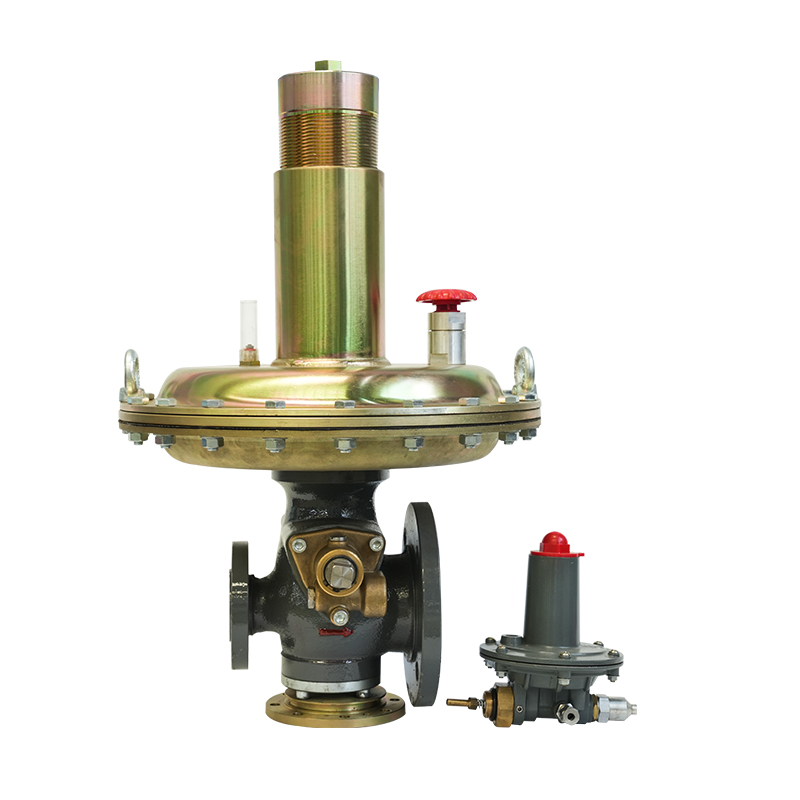
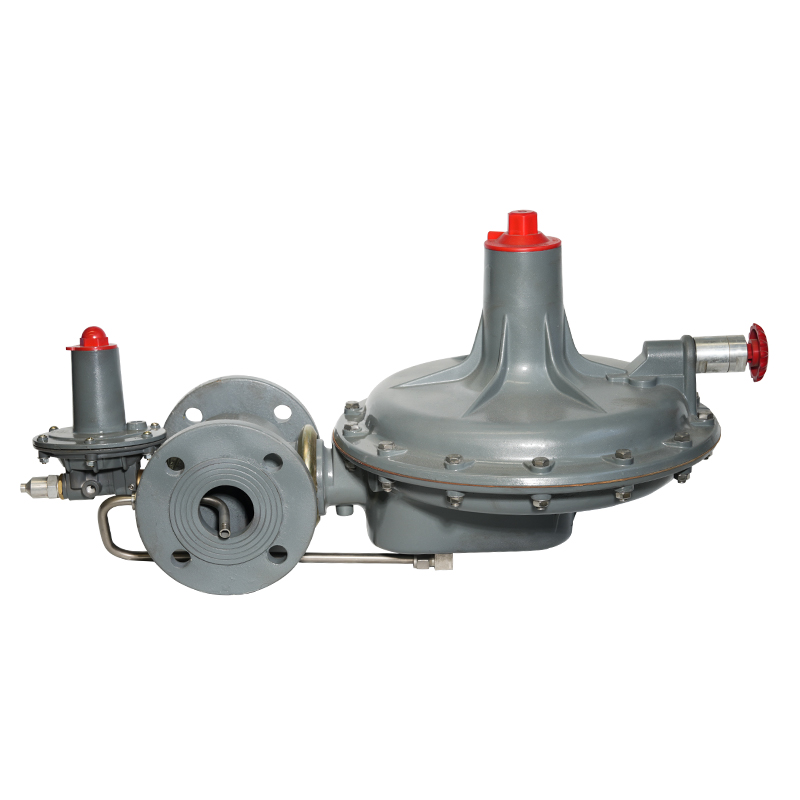
LPG Pressure Regulator Industrial gas pressure regulator is a key device to ensure the safe use of gas. This regulating valve is mainly used to contro...
See Details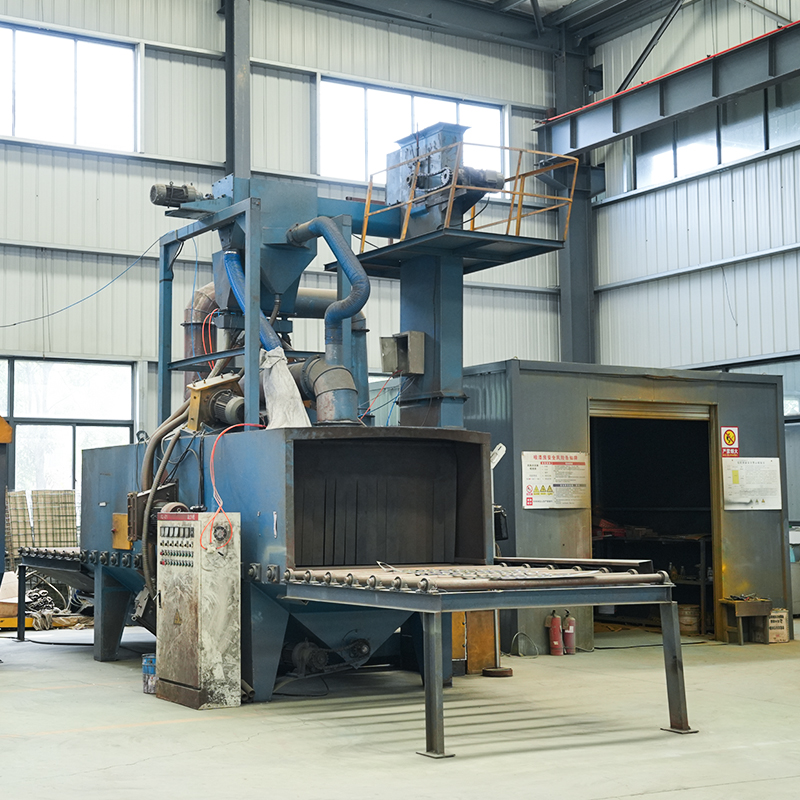
The through-type shot blasting machine is an efficient and automated machine and equipment, which is specially used for continuous through-type descal...
See Details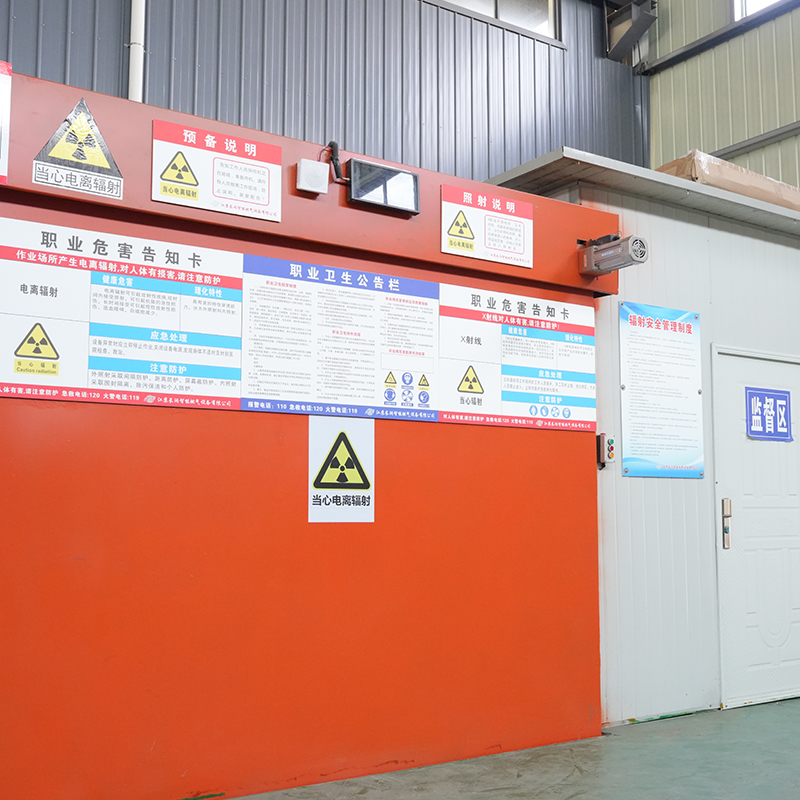
X-ray flaw detection room is a place specially used for X-ray flaw detection. It is equipped with X-ray industrial flaw detectors for non-destructive ...
See Details
The company is a manufacturer specializing in gas transmission and +distribution equipment and gas pressure regulators. It is a professional manufacturer integrating the research and development, design, manufacturing, marketing and after-sales service of gas equipment.
Phone: +86 138-5131-2088
Tel: +86 0515-83918669
Email: [email protected]
Add: No. 13, Yongchuang Road, Dazhong Industrial Park, Dafeng District, Yancheng City, Jiangsu Province, China
Copyright © Jiangsu Changrun Intelligent Gas Equipment Co., Ltd All Rights Reserved.
Custom Smart Gas Pressure Regulators Manufacturers, Suppliers
 Login
Login
Contact Us