 English
 русский
 Español
 عربى
عربىLPG/natural gas/fuel gas filter with differential pressure gauge
The LPG/natural gas/fuel gas filter with differential pressure gauge is a device that filters gas and monitors its pressure changes. The filter can ef...
See Details


Request a Quote
Content
In the complex network of fluid dynamics, the control of energy within a gas stream is paramount. A Gas Pressure Regulator serves as the critical valve component that reduces high-pressure input to a stable, lower output pressure. This device ensures that downstream equipment operates within safe design limits. Without this regulation, pipes, fittings, and appliances would suffer from over-pressurization, leading to catastrophic failures.
To understand how does a gas pressure regulator work, one must look at the balance of forces. The regulator acts as a resistance mechanism. It creates a constriction in the flow path. This constriction, known as the valve orifice, reduces the pressure by forcing the gas through a smaller opening. The velocity increases, but the potential energy (pressure) drops. The main function is not just to restrict flow but to maintain a constant outlet pressure despite fluctuations in inlet pressure or flow demand.
The core mechanism involves a diaphragm, a spring, and a valve plug. The spring applies a downward force on the diaphragm, which opens the valve plug. Gas pressure from the outlet side pushes against the other side of the diaphragm. When the outlet pressure exceeds the spring force, the diaphragm moves up, closing the plug. This constant mechanical feedback loop is the heart of pressure regulation. It requires precision engineering to prevent hunting or oscillation.
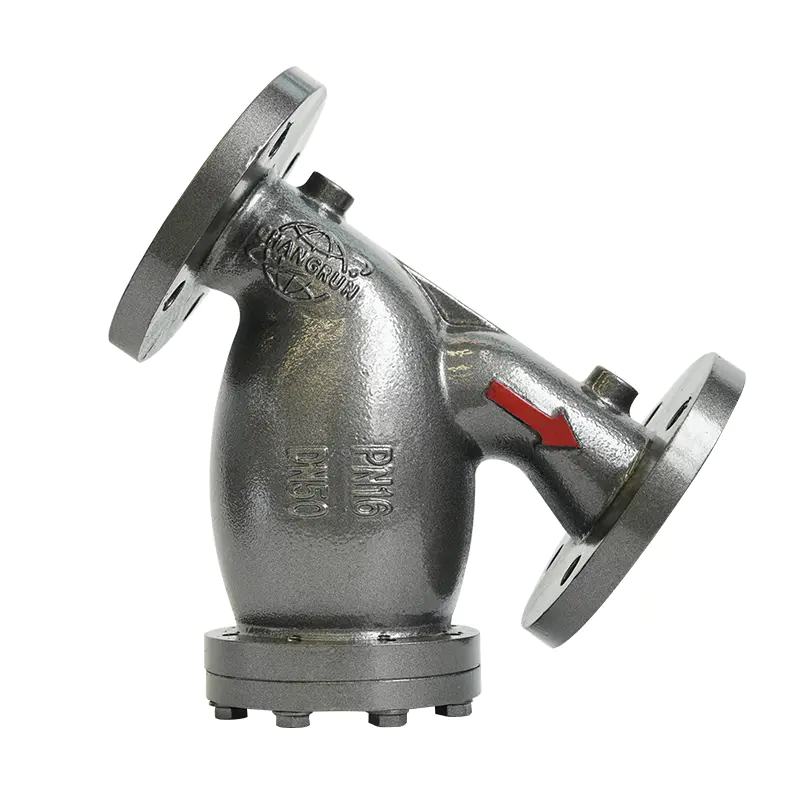
Engineers classify regulators based on their load mechanism and sensitivity. The selection process depends heavily on the required accuracy and flow rates.
When reviewing industrial gas regulator types, professionals categorize them by their loading method. The simplest form is the spring-loaded or weight-loaded regulator. For more demanding applications, pressure-loaded or pilot-operated regulators are standard. These devices handle higher capacities and offer better response times to rapid load changes. Choosing the wrong type can lead to operational inefficiencies or safety hazards.
The distinction between direct-operated and pilot-operated regulators is significant. Direct-operated regulators use the force of the main spring directly against the diaphragm. They are simple, cost-effective, and suitable for small loads. Pilot-operated regulators use a small auxiliary regulator (the pilot) to load the main diaphragm. This allows for much larger orifice sizes and higher accuracy.
The following table compares these two primary technologies for B2B procurement reference.
| Feature | Direct-Operated Regulator | Pilot-Operated Regulator |
| Accuracy (Set Point) | Low to Medium | High |
| Flow Capacity | Low | High |
| Response Time | Fast | Slightly Slower (due to pilot volume) |
| Complexity | Simple construction | Complex, more moving parts |
| Best Application | Residential, Small Commercial | Industrial, Large Distribution |
For wholesale buyers and engineers, the datasheet holds the truth. Selecting a Gas Pressure Regulator requires a deep dive into performance curves.
Flow capacity is the maximum volume of gas the regulator can pass while maintaining the set pressure. As flow increases, the outlet pressure drops. This phenomenon is called "droop." Engineers must size the regulator so that the expected maximum flow falls within the usable range of the droop curve. Oversizing can lead to instability, while undersizing restricts flow and causes pressure starvation.
Inlet pressure varies widely depending on the source. Transmission pipelines operate at very high pressures, while local distribution lines are lower. The regulator body must be rated for the Maximum Inlet Pressure (MIP) with a significant safety factor.
A high pressure gas regulator valve differs significantly from standard units. It typically features reinforced body castings and larger actuator diaphragms. These units often handle pressures exceeding 1000 PSI. They require special materials like stainless steel or high-grade carbon steel to withstand the mechanical stress. Noise attenuation is also a concern, as high-pressure drops can generate severe acoustic energy.
Different sectors have vastly different requirements. The regulator for a home furnace is not the same as one for a chemical plant.
For residential applications, safety and simplicity are the priorities. A natural gas pressure regulator for home use typically reduces line pressure from 2 PSI (or higher) down to the standard appliance pressure of 7 inches water column (approx. 0.25 PSI). These units are usually direct-operated and vent-limited. Venting is critical; if the diaphragm fails, gas must vent to the atmosphere safely rather than accumulating in the house. Compliance with local building codes is mandatory for these installations.
Industrial applications demand rigorous precision. In a petrochemical plant, a Gas Pressure Regulator might control fuel gas to a burner or blanketing gas in a storage tank. These systems often require electronic controllers that interface with the regulator. Remote monitoring of pressure set points allows operators to adjust flow rates from a control room, optimizing efficiency and safety.
The longevity of the device depends on proper handling. A perfectly manufactured regulator will fail prematurely if installed incorrectly.
A comprehensive gas regulator installation guide starts with pipe preparation. Debris from threading pipes can damage the valve seat. Installers should always purge the lines before introducing gas to the regulator. The regulator must be oriented correctly; most have an arrow indicating flow direction.
After installation, a pressure test is necessary. The engineer introduces air or nitrogen at a pressure slightly higher than the set point to verify that the regulator locks up. Lock-up is the state where the valve closes completely when downstream flow stops. If the pressure continues to rise, the regulator is leaking (failing to lock up), which requires immediate replacement.
The Gas Pressure Regulator is a cornerstone of modern energy infrastructure. From the rugged high pressure gas regulator valve in transmission stations to the small unit on a residential meter, the engineering principles remain consistent. For B2B buyers, understanding the nuances of droop, lock-up, and material compatibility is essential for making informed procurement decisions. Strict adherence to installation guides ensures that these devices provide reliable service for decades.
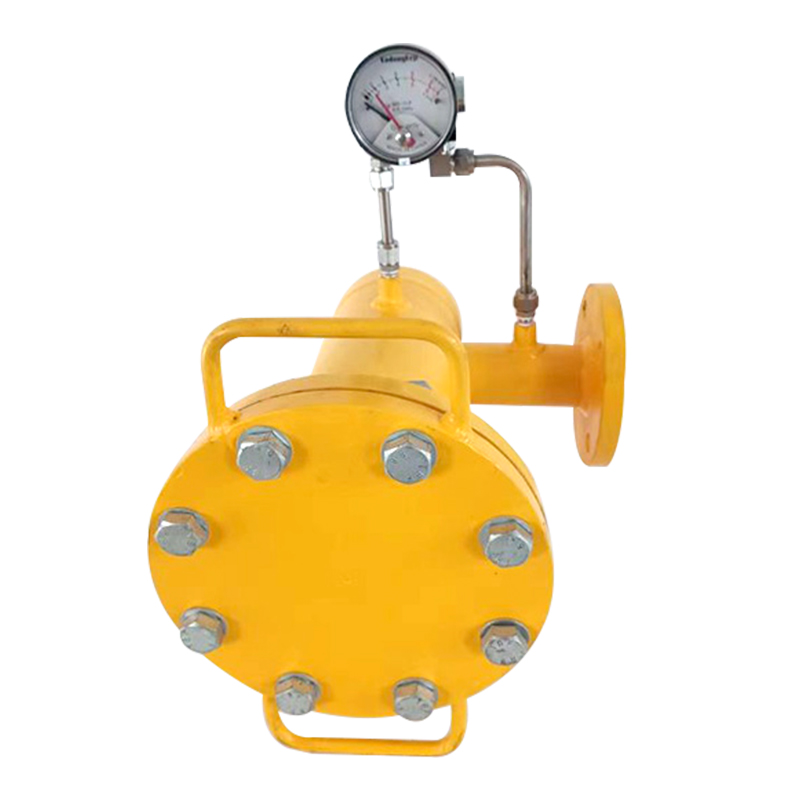
The LPG/natural gas/fuel gas filter with differential pressure gauge is a device that filters gas and monitors its pressure changes. The filter can ef...
See Details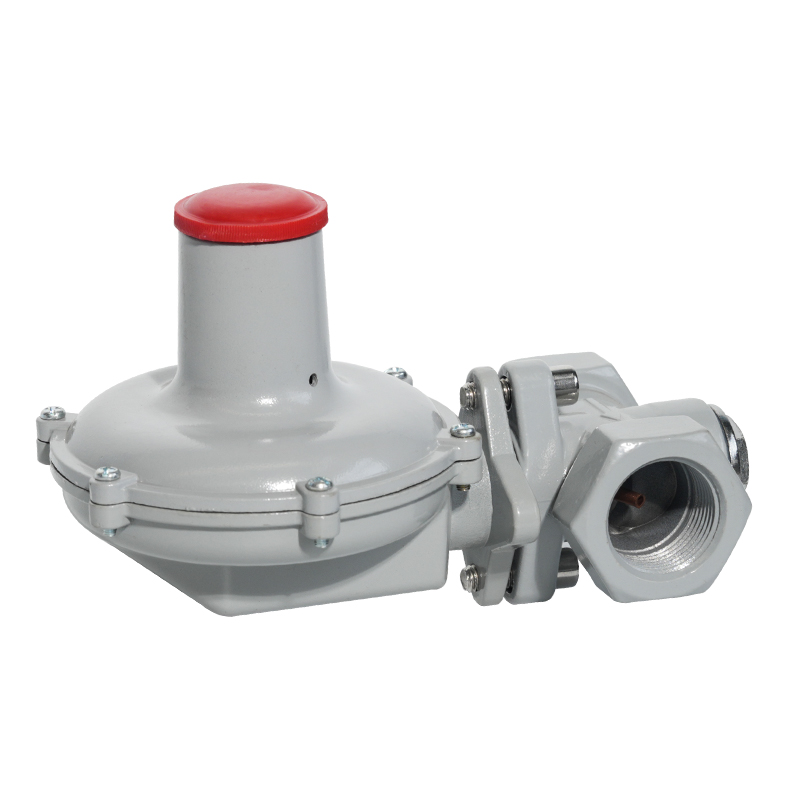
Safety valve gas control pump accessories pressure regulator is a key component in the gas supply system. Its main function is to ensure the stable su...
See Details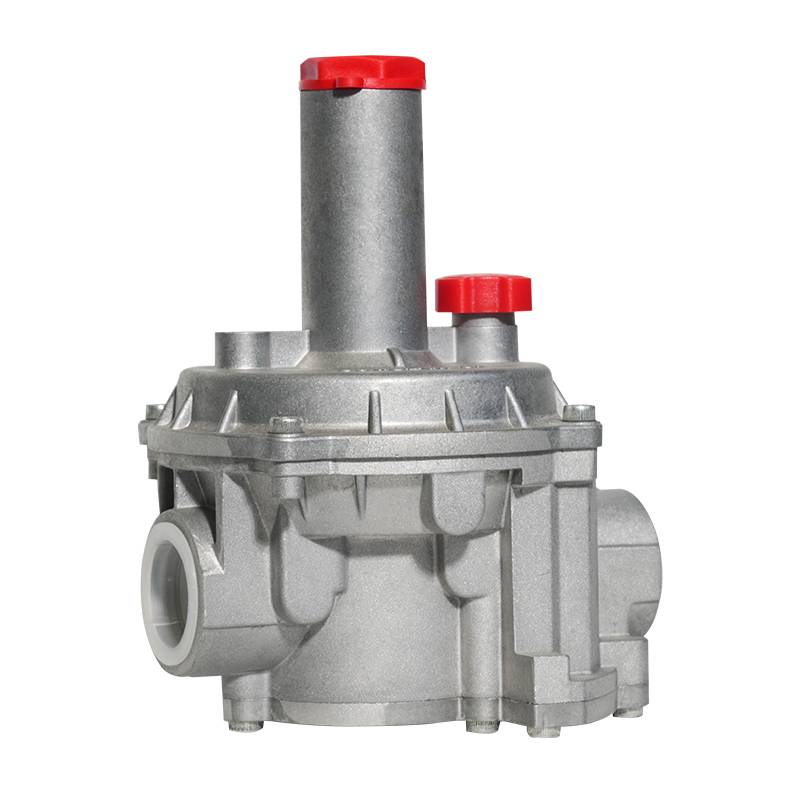
Industrial gas pressure regulating valve pressure reducing valve, pressure stabilizer is a device used to regulate and stabilize gas pressure. It can ...
See Details
The company is a manufacturer specializing in gas transmission and +distribution equipment and gas pressure regulators. It is a professional manufacturer integrating the research and development, design, manufacturing, marketing and after-sales service of gas equipment.
Phone: +86 138-5131-2088
Tel: +86 0515-83918669
Email: [email protected]
Add: No. 13, Yongchuang Road, Dazhong Industrial Park, Dafeng District, Yancheng City, Jiangsu Province, China
Copyright © Jiangsu Changrun Intelligent Gas Equipment Co., Ltd All Rights Reserved.
Custom Smart Gas Pressure Regulators Manufacturers, Suppliers
 Login
Login
Contact Us