 English
 русский
 Español
 عربى
عربىGas automatic relief valve, gas relief valve, safety relief valve
The automatic gas relief valve is a safety device used to adjust the pressure in the gas system to ensure the stable operation of the system. The valv...
See Details


Request a Quote
Content
The upstream sector forms the foundation of the entire oil and gas industry, and sourcing the right Oil And Natural Gas Parts here is paramount for operational success and safety. This phase encompasses everything from the surface control equipment at the wellhead to the sophisticated tools used thousands of feet underground. A failure in any of these components can lead to costly non-productive time (NPT) and significant safety hazards. Therefore, a strategic sourcing approach that prioritizes certified quality, material integrity, and supplier reliability is not just a best practice but a necessity for profitable and secure exploration and production.
The wellhead and Christmas tree are the critical pressure-containing and control equipment for any well. Sourcing these from reputable API 6A wellhead equipment suppliers is non-negotiable. The API 6A specification from the American Petroleum Institute sets the global standard for wellhead and tree equipment, defining requirements for design, materials, testing, and inspection. A supplier that is fully API 6A licensed demonstrates a commitment to quality and a rigorous adherence to industry-recognized manufacturing processes. This ensures that the equipment can withstand the extreme pressures and corrosive environments encountered throughout the well's lifecycle.
API 6A equipment is categorized by pressure, temperature, and material class, which must be carefully matched to the well's specific parameters. Pressure ratings range from 2,000 psi to 20,000 psi, with specific designations like PSL1, PSL2, PSL3, and PSL4 indicating increasing levels of quality control, testing, and performance requirements. Selecting the correct PSL and material class (e.g., AA, BB, CC, DD, EE) is crucial for ensuring the wellhead's integrity and preventing catastrophic failures. A deep understanding of these specifications is essential for any procurement engineer.
| Specification | Description | Typical Application |
| Pressure Rating | Maximum working pressure (e.g., 3,000 psi, 10,000 psi) | Determined by wellbore pressure and safety factors |
| Material Class | Corrosion-resistant material (e.g., DD for H2S) | Chosen based on reservoir fluid composition |
| Performance Level (PSL) | Quality control and stringency level (1-4) | PSL1 for standard, PSL3-4 for critical/hazardous service |
Efficient drilling is a function of technology, and a skilled downhole drilling tools manufacturer is a key partner in maximizing the Rate of Penetration (ROP). Beyond the drill bit, a suite of downhole tools, including Measurement-While-Drilling (MWD) and Logging-While-Drilling (LWD) tools, directional drilling systems, and drill collars, are essential for modern drilling operations. These tools provide real-time data and mechanical capabilities that allow engineers to steer the wellbore, optimize drilling parameters, and make informed decisions to avoid costly downtime and hazards.
MWD tools provide real-time data on the wellbore's trajectory and basic drilling parameters, while LWD tools offer more detailed geological information. Drill collars are heavy, thick-walled tubulars placed above the drill bit to apply the necessary weight on bit (WOB). The reliability and precision of these tools directly impact drilling efficiency. A manufacturer that invests in robust electronics, shock-resistant designs, and high-strength metallurgy for these components can significantly improve drilling performance and reduce the risk of tool failure in the harsh downhole environment.
| Tool Type | Primary Function | Impact on Drilling |
| MWD (Measurement-While-Drilling) | Provides real-time wellbore direction and position | Enables precise directional drilling |
| LWD (Logging-While-Drilling) | Gathers geological data (resistivity, porosity) | Allows for real-time formation evaluation |
| Drill Collars | Applies Weight on Bit (WOB) for drilling | Crucial for maintaining efficient penetration |
The drill bit is the single most important consumable in the drilling process, acting as the primary tool that physically breaks the rock. Selecting the right bit is a science that balances formation type, hardness, and abrasiveness with the capabilities of the drilling rig and the desired ROP. While a vast array of bits exists, the tricone bit remains a versatile and widely used option, particularly for softer formations and specific applications. A strategic approach to sourcing this critical Oil And Natural Gas Parts can yield significant cost savings and performance gains.
When searching for a tricone drill bit for sale, the key is to match the bit's design to the specific geological formation. Tricone bits use three rotating cones with teeth (either steel teeth or tungsten carbide inserts - TCI) to crush or gouge the rock. The IADC (International Association of Drilling Contractors) code is a standardized classification system that describes the bit's suitability for different formations, hardness, and features. Understanding this code is the first step in making an informed purchase.
The IADC code is typically a four-character code. The first three digits classify the bit for formation hardness and cutting structure, while the fourth denotes special features. For example, a code starting with '1' is for soft formations with steel teeth, while a code starting with '8' is for very hard formations with TCI. Matching the IADC code to the expected lithology ensures optimal performance, longer bit life, and a lower cost per foot drilled.
| IADC First Digit | Formation Type | Cutting Structure |
| 1-2 | Soft Formations | Steel Tooth (Mill Tooth) |
| 3-4 | Medium Hard Formations | Steel Tooth (Mill Tooth) |
| 5-7 | Medium to Hard Formations | Tungsten Carbide Insert (TCI) |
| 8-9 | Very Hard Formations | Tungsten Carbide Insert (TCI) |
While tricone bits are effective, Polycrystalline Diamond Compact (PDC) bits have become dominant in many applications, especially in homogeneous, soft to medium-hard formations. PDC bits shear the rock rather than crushing it, which can lead to much higher ROPs. However, they are less effective in highly interbedded or very hard formations. The choice between a tricone (roller cone) and a PDC bit is a fundamental decision that must be based on a detailed analysis of the well plan and geological data.
The midstream sector, responsible for the transportation, storage, and wholesale marketing of oil and gas, relies heavily on compression and processing infrastructure. The reliability of this infrastructure is critical for maintaining the continuous flow of hydrocarbons from the wellhead to the refinery. The Oil And Natural Gas Parts used in this sector, particularly in gas compression stations, must be exceptionally durable and able to withstand the rigors of continuous, high-pressure operation.
In a reciprocating gas compressor, the valves are among the most critical and frequently serviced components. Gas compressor valve components, including the valve plate, seat, and springs, endure millions of high-impact cycles per year. Their failure can lead to a complete shutdown of the compressor unit, causing significant production losses. Therefore, sourcing these components from manufacturers that use high-grade materials, precision machining, and advanced fatigue analysis is essential for maximizing compressor uptime and reducing maintenance intervals.
The choice of material for compressor valve components is dictated by the composition of the gas being compressed. For "sweet" natural gas, high-strength alloy steels are often sufficient. However, for "sour" gas containing hydrogen sulfide (H2S) and carbon dioxide (CO2), materials must be chosen for their resistance to sulfide stress cracking and general corrosion. Common choices include PEEK (polyether ether ketone) for non-metallic parts and stainless steels or nickel-based alloys (like Inconel) for metallic components.
| Gas Type | Key Challenge | Recommended Valve Materials |
| Sweet Gas (Low H2S/CO2) | High pressure, fatigue | Alloy steel, PEEK |
| Sour Gas (High H2S) | Sulfide stress cracking | NACE MR0175 compliant alloys, Duplex steel |
| High CO2 Gas | Acidic corrosion | Stainless steel (316/317), Inconel |
Effective maintenance is key to midstream reliability. This involves not only replacing worn Oil And Natural Gas Parts but also implementing predictive maintenance strategies. Using vibration analysis, performance monitoring, and oil analysis can help predict valve and other component failures before they occur. A strategic sourcing partner that can provide not just the parts but also technical support and rapid delivery is invaluable for minimizing downtime in critical midstream assets.
The downstream sector, which includes refineries, petrochemical plants, and product distribution, demands the highest level of precision and safety. The Oil And Natural Gas Parts used here, especially process control valves, are not just passing fluids; they are precisely regulating complex chemical reactions, managing extreme temperatures and pressures, and ensuring environmental compliance. The selection of these components is a matter of both operational efficiency and regulatory adherence.
Refinery process control valves are the final control elements in a refinery's automated systems. They must precisely modulate the flow of everything from crude oil and refined products to catalysts and steam. The selection process is highly complex, requiring a deep understanding of process conditions, fluid properties, and required flow characteristics ( Cv). A single valve failure can disrupt an entire unit, leading to significant production losses and potential safety risks.
Different valve types are suited for different applications within a refinery. Globe valves are excellent for precise throttling and regulation. Ball valves offer tight shut-off and are ideal for on/off service. Butterfly valves are used for large-diameter, low-pressure applications where a tight shut-off is not critical. Selecting the correct valve type, trim material, and actuator is a complex engineering task that directly impacts the safety and efficiency of the refining process.
| Valve Type | Primary Function | Common Refinery Application |
| Globe Valve | Precise throttling and regulation | Feedwater control, catalyst flow |
| Ball Valve | Reliable on/off service, tight shut-off | Isolation, product transfer lines |
| Butterfly Valve | Flow control in large pipes | Cooling water, large-volume gas lines |
In refining, material compatibility is paramount due to the presence of highly corrosive and flammable hydrocarbons. Valve bodies and trim must be made from materials like carbon steel, stainless steel, or advanced alloys to withstand corrosion and high temperatures. Furthermore, modern environmental regulations mandate low fugitive emissions. This requires valves with advanced stem sealing technologies, such as live-loaded packing or bellows seals, to prevent leaks of volatile organic compounds (VOCs) into the atmosphere.
API 6A and API 6D are both critical specifications from the American Petroleum Institute, but they govern different types of Oil And Natural Gas Parts. API 6A covers wellhead and Christmas tree equipment, which are the pressure-controlling components at the source of the well. API 6D, on the other hand, covers pipeline valves, which are used in the transportation of oil and gas in the midstream sector. While both deal with high-pressure equipment, their design, testing, and application requirements are tailored to their distinct operational environments.
Choosing the right IADC code for a drill bit requires analyzing the geological data for the well you are drilling. The first digit of the code relates to the formation hardness, from soft (1-2) to extremely hard (8-9). The second digit further refines this within the hardness category. The third digit indicates the bearing/seal type and additional features. For example, a code of '437' would be a TCI bit for a medium-hard formation (4), with a specific design feature (3), and standard roller bearings (7). Consulting with a knowledgeable downhole drilling tools manufacturer and using offset well data is the best practice for accurate selection.
Frequent failure of gas compressor valve components is typically caused by a combination of mechanical fatigue, corrosion, and improper application. The valves undergo millions of high-impact cycles, leading to metal fatigue. If the gas contains corrosive elements like H2S or CO2, it can lead to material degradation. Other causes include liquid slugging in the gas stream, which creates hydraulic shock, and operating the compressor outside of its design parameters. Selecting components made from the correct materials and ensuring proper operating conditions are key to extending their life.
Not always. OEM (Original Equipment Manufacturer) parts guarantee exact fitment and adherence to the original design specifications, which is often critical for safety-critical Oil And Natural Gas Parts. However, high-quality aftermarket parts can offer significant cost savings and, in some cases, improved performance or durability. The key is to source aftermarket parts from reputable manufacturers who provide full material certifications, test data, and a clear warranty. For non-critical applications or where an upgraded design is beneficial, a trusted aftermarket supplier can be a very cost-effective choice.
Fugitive emissions are unintended releases of gases or vapors from pressurized equipment, and they are a major concern with refinery process control valves for several reasons. First, they represent a loss of valuable product. Second, many of the released gases are volatile organic compounds (VOCs), which are harmful to the environment and subject to strict environmental regulations that carry heavy fines. Third, leaks of flammable hydrocarbons create significant safety hazards. This is why modern valves are designed with advanced sealing technologies, like low-emission packing and bellows seals, to minimize these leaks and ensure regulatory compliance.
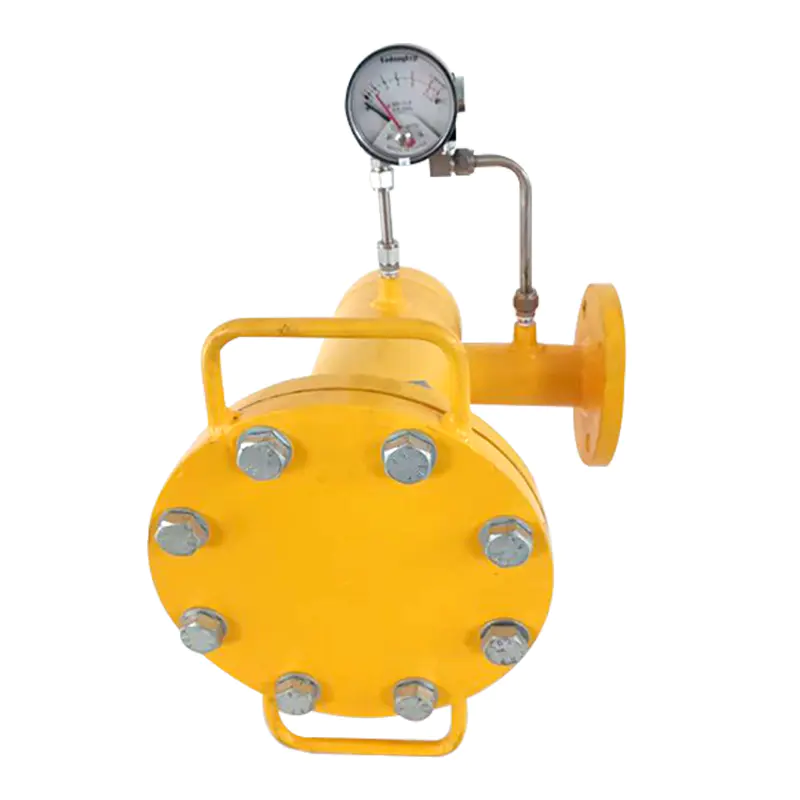
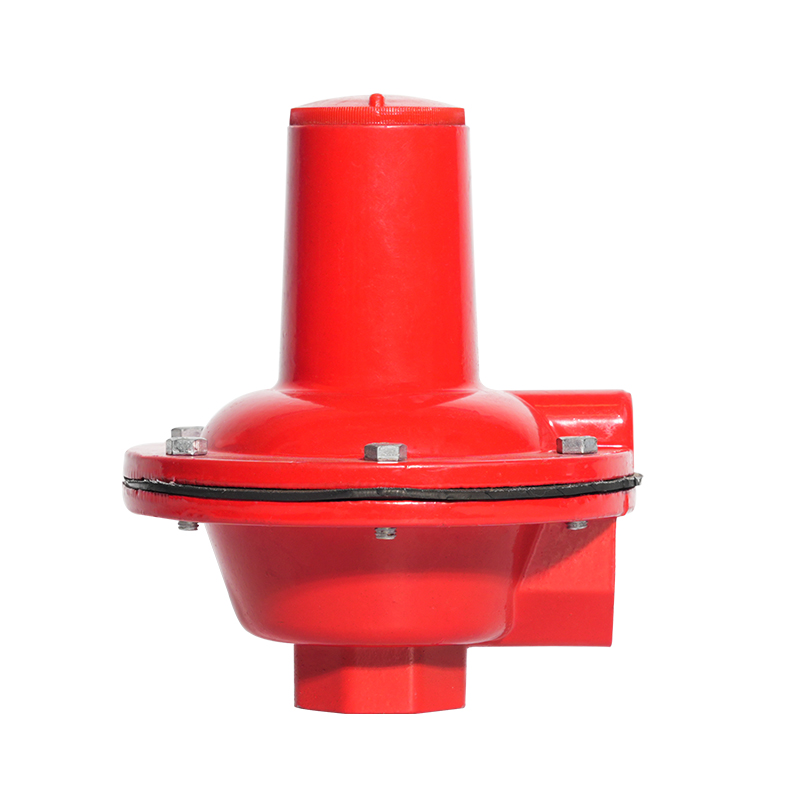
The automatic gas relief valve is a safety device used to adjust the pressure in the gas system to ensure the stable operation of the system. The valv...
See Details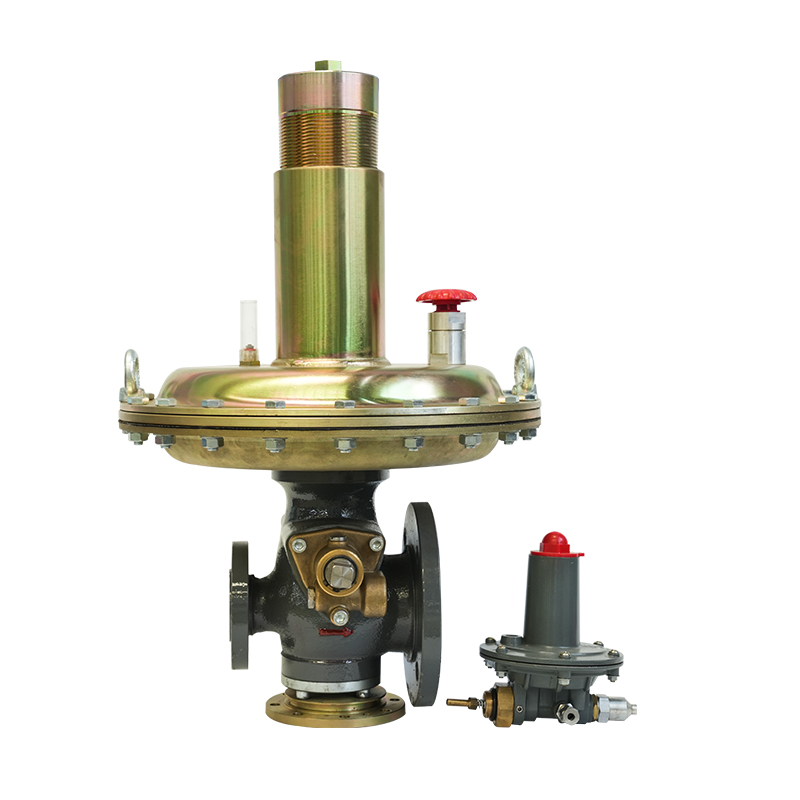
The gas pressure regulator is a key device to maintain the stability of the downstream pressure of the gas pipeline. It automatically changes the gas ...
See Details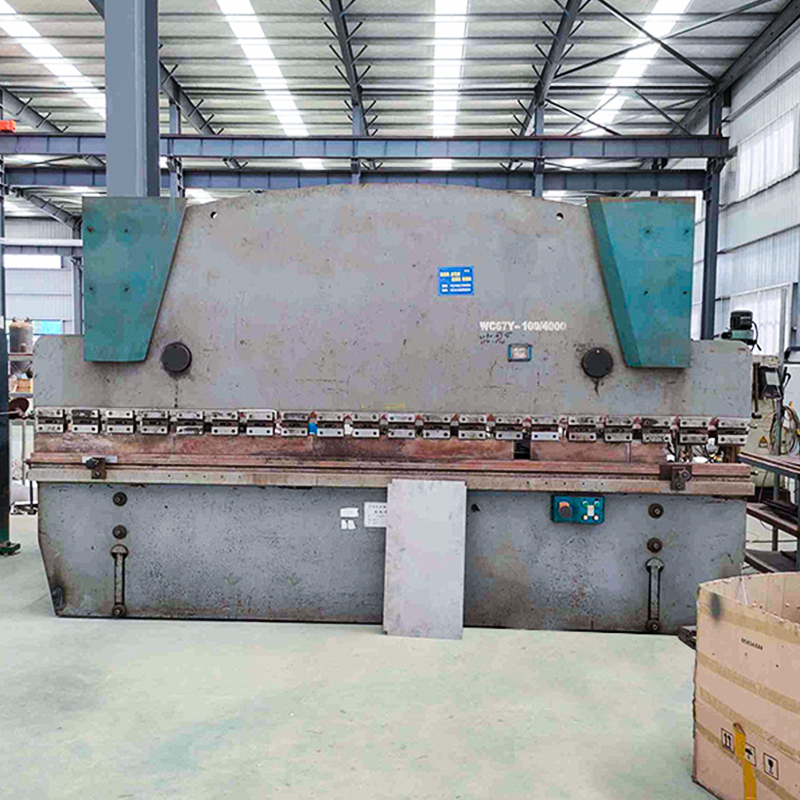
A liquefaction plant is a device that converts gas into liquid, especially in the production of liquefied natural gas (LNG). LNG plant specifically re...
See Details
The company is a manufacturer specializing in gas transmission and +distribution equipment and gas pressure regulators. It is a professional manufacturer integrating the research and development, design, manufacturing, marketing and after-sales service of gas equipment.
Phone: +86 138-5131-2088
Tel: +86 0515-83918669
Email: [email protected]
Add: No. 13, Yongchuang Road, Dazhong Industrial Park, Dafeng District, Yancheng City, Jiangsu Province, China
Copyright © Jiangsu Changrun Intelligent Gas Equipment Co., Ltd All Rights Reserved.
Custom Smart Gas Pressure Regulators Manufacturers, Suppliers
 Login
Login
Contact Us