 English
 русский
 Español
 عربى
عربىIndustrial gas pressure regulator, pressure reducing valve, regulator
Industrial gas pressure regulating valve pressure reducing valve, pressure stabilizer is a device used to regulate and stabilize gas pressure. It can ...
See Details


Request a Quote
Content
A Natural Gas Pressure Regulator is an indispensable safety and control device in any gas supply system, from a residential meter to a sprawling industrial plant. Its fundamental purpose is to automatically reduce a higher, variable inlet pressure from the supply line to a steady, lower outlet pressure that is safe and suitable for the connected appliances or equipment. However, its role extends far beyond simple pressure reduction. A high-quality regulator ensures system stability, protects downstream components from damaging pressure surges, and contributes to efficient combustion and fuel economy. Selecting the incorrect regulator can lead to unsafe conditions, appliance malfunction, increased energy costs, and regulatory non-compliance. This guide provides a comprehensive, technical framework for engineers, facility managers, and procurement specialists to navigate the critical selection, application, and maintenance processes for these essential components.
At its heart, a pressure regulator is a force-balance device. The core components—a sensing element (typically a diaphragm or piston), a loading element (a spring or gas pressure), and a restricting element (the valve and seat)—work in concert. The downstream pressure acts on the sensing element, creating a force that opposes the force exerted by the loading element. When downstream pressure drops (as an appliance turns on), the spring force overcomes the diaphragm force, opening the valve to allow more gas flow and restore the set pressure. Conversely, as downstream demand decreases, the valve closes. This continuous, automatic adjustment maintains a constant outlet pressure despite fluctuations in inlet pressure or flow demand.
Selecting the right regulator is a systematic process of matching technical specifications to the specific demands of the application. An undersized or incorrectly specified unit will fail to perform, while an oversized unit can cause instability and "hunting" (rapid opening and closing).
Selecting an industrial natural gas pressure regulator for boiler applications requires careful consideration of the boiler's operational profile. Industrial boilers, especially those with low-NOx burners, demand exceptionally stable gas pressure for safe, efficient, and compliant combustion. Pressure fluctuations can lead to incomplete combustion, increased emissions, and even burner trip-outs. For these critical applications, a robust, pilot-operated regulator is typically specified. It must have a sufficiently high flow capacity (Cv value) to handle the boiler's maximum firing rate and a fast response time to prevent pressure drops during rapid load changes. Many systems employ a monitor-and-worker series configuration for added safety, where a first-stage "monitor" regulator acts as a backup should the primary "worker" regulator fail.
Facility inlet services, district gate stations, and large process lines require regulators built for scale. A high capacity natural gas regulator for large pipe sizes (e.g., 4-inch and above) is engineered to handle immense flow rates while maintaining control. These are almost exclusively pilot-operated and may feature multiple valve bodies or a large, balanced valve design to minimize the force required for operation, improving responsiveness. Key selection factors include the required shut-off pressure (the maximum inlet pressure the unit can withstand when closed), the droop (the decrease in outlet pressure from the set point as flow increases), and built-in relief or safety shut-off valves to protect the low-pressure system.
The residential natural gas meter regulator, or service regulator, is the crucial final step before gas enters a home. Homeowners may seek information on replacement cost, which is influenced by the regulator model, local labor rates, and any necessary permits. It is imperative to emphasize that regulator replacement is not a do-it-yourself task. It must be performed by a licensed gas fitter or plumber who will ensure proper sizing, leak testing, and compliance with local codes. Signs that a residential regulator may need replacement include sooting at appliances (indicating low pressure), difficulty lighting pilots, a persistent gas odor (after checking appliance connections), or visible external damage or corrosion on the regulator body.
In upstream oil and gas, CNG/LNG stations, or other high-pressure, high-hazard services, regulators must meet rigorous design standards. An API 6A specification natural gas pressure regulator is built for these extreme duties. API 6A defines strict requirements for design, materials, testing, marking, and quality control for wellhead and Christmas tree equipment. Regulators conforming to this specification are designed to handle sour gas (containing H2S), high-pressure shocks, and extreme temperatures. They offer validated performance levels (PR2) and full traceability of materials, providing the confidence required for safety-critical applications where failure is not an option.
| Application Focus | Industrial Boiler | High-Capacity Inlet Service | Residential Meter Set | Upstream / API Service |
| Primary Regulator Type | Pilot-Operated, High-Accuracy | Pilot-Operated, Balanced Valve, Large Port | Direct-Operated, Compact | Pilot-Operated, API 6A Design |
| Key Performance Need | Extreme Stability, Fast Response | High Flow Capacity, Low Droop | Reliability, Safety, Long Service Life | High-Pressure Integrity, Corrosion Resistance |
| Critical Feature | Monitor-Worker Configuration | Internal Relief or SOV | Tamper-Proof Adjustment | Full Material Traceability, PR2 Rating |
Knowing how to troubleshoot a natural gas pressure regulator failure is essential for maintenance personnel. Always begin by confirming the issue with accurate pressure gauges installed upstream and downstream of the regulator. A structured approach is key:
SAFETY FIRST: If a significant leak, persistent over-pressure, or any unsafe condition is suspected, immediately shut off the gas supply at the nearest upstream valve and contact a qualified technician.
Proper installation is critical for performance and safety. The regulator must be installed in the correct orientation (typically with the vent vertical), in a well-ventilated, accessible location protected from physical damage and environmental contamination. Inlet and outlet piping must be correctly sized and supported to avoid stress on the regulator connections. For pilot-operated regulators, the vent line must be properly sized, routed to a safe location, and protected with a screen or vent limiter as required by code. A proactive maintenance schedule should include regular external inspections for corrosion or leaks, verification of outlet pressure with a calibrated gauge, and functional testing of any associated safety shut-off valves, as recommended by the manufacturer and local regulations.
There is no universal service life; it depends on the operating environment, gas quality, and cycle frequency. Manufacturers often suggest an inspection schedule. Industrial regulators may be serviced or rebuilt on a planned maintenance cycle (e.g., every 3-5 years). Residential meter regulators can often function reliably for 15-25 years, but they should be inspected by a professional if any performance issues arise. The most reliable indicators for replacement are performance failure (inability to maintain set pressure), external signs of severe corrosion or damage, or a verified internal diaphragm leak.
Lock-up pressure is the maximum outlet pressure reached after the regulator valve fully closes, with a specific inlet pressure and zero flow. It is a critical performance metric. An excessively high lock-up pressure indicates a leaky valve seat or other internal issue, which can lead to dangerous over-pressurization of the downstream system. A proper regulator should lock up within a defined range above its set point. This parameter is often tested during commissioning and periodic maintenance.
Yes, but with strict caveats. Any regulator that vents gas to the atmosphere (a necessary function for many pilot-operated and relief devices) must have its vent piped to the outdoors in accordance with national and local fuel gas codes (such as NFPA 54 in the US). Direct-vented regulators are common. Installing an unvented regulator that could discharge gas indoors is extremely hazardous and is almost always a code violation. Always consult the manufacturer's instructions and the Authority Having Jurisdiction (AHJ).
Unusual noises often signal a problem. A high-pitched whistling is typically caused by gas flowing at high velocity through a nearly closed or restricted orifice, which can occur if the regulator is severely oversized for the actual flow. Chattering (a rapid opening/closing sound) is usually a symptom of instability, also caused by oversized sizing, a weak spring, or contaminated gas causing the valve to stick and then suddenly release. Both conditions warrant investigation by a technician, as they can lead to premature wear and control issues.
It is a fundamental safety requirement in most jurisdictions. A regulator is a mechanical device that can fail, most dangerously in the "fail-open" mode, allowing high inlet pressure to pass downstream. Therefore, gas codes typically require an overpressure protection device (OPD) on the low-pressure side of any regulator, unless the downstream system components (piping, appliances) are all rated for the maximum upstream pressure. This OPD is often an integral relief valve within the regulator itself or a separate, properly sized relief valve piped to a safe location.
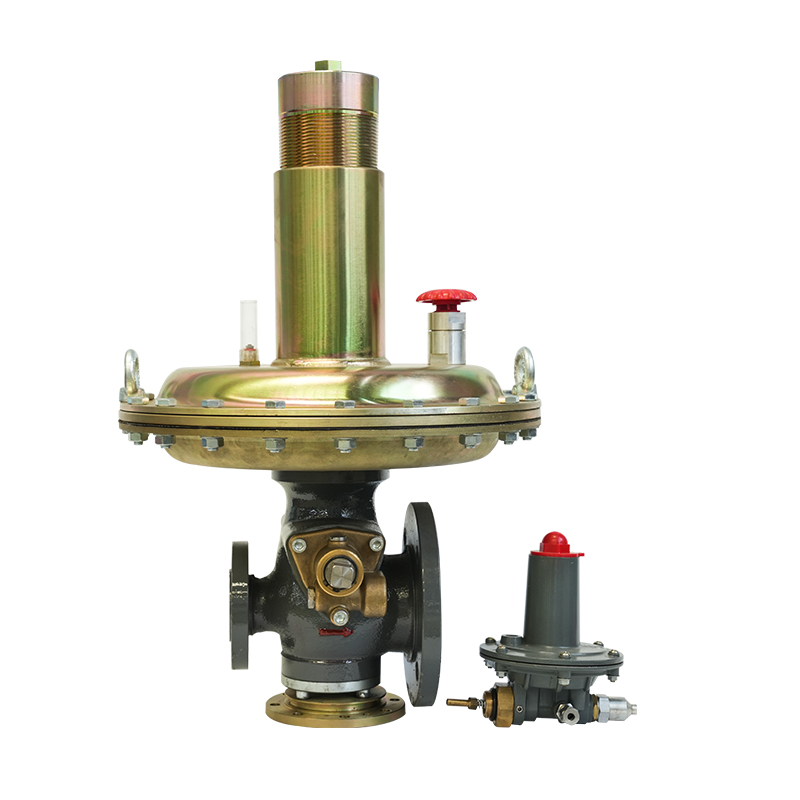
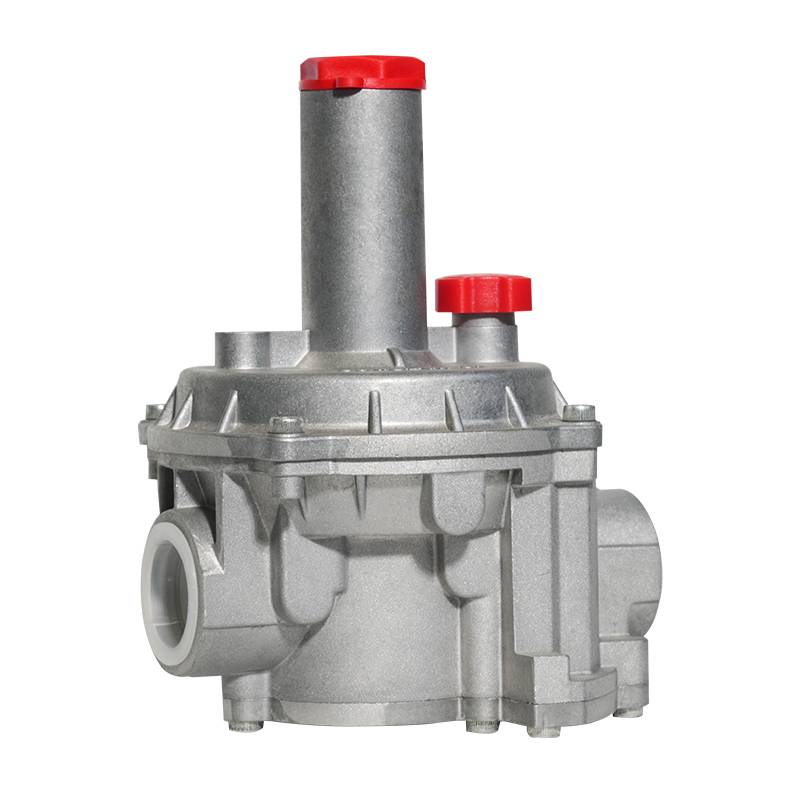
Industrial gas pressure regulating valve pressure reducing valve, pressure stabilizer is a device used to regulate and stabilize gas pressure. It can ...
See Details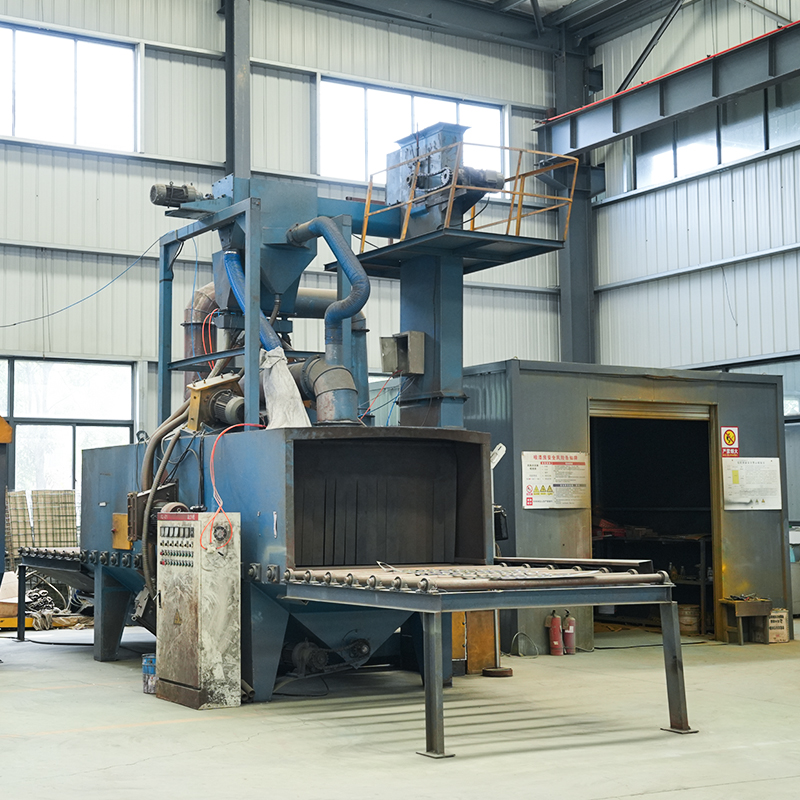
The through-type shot blasting machine is an efficient and automated machine and equipment, which is specially used for continuous through-type descal...
See Details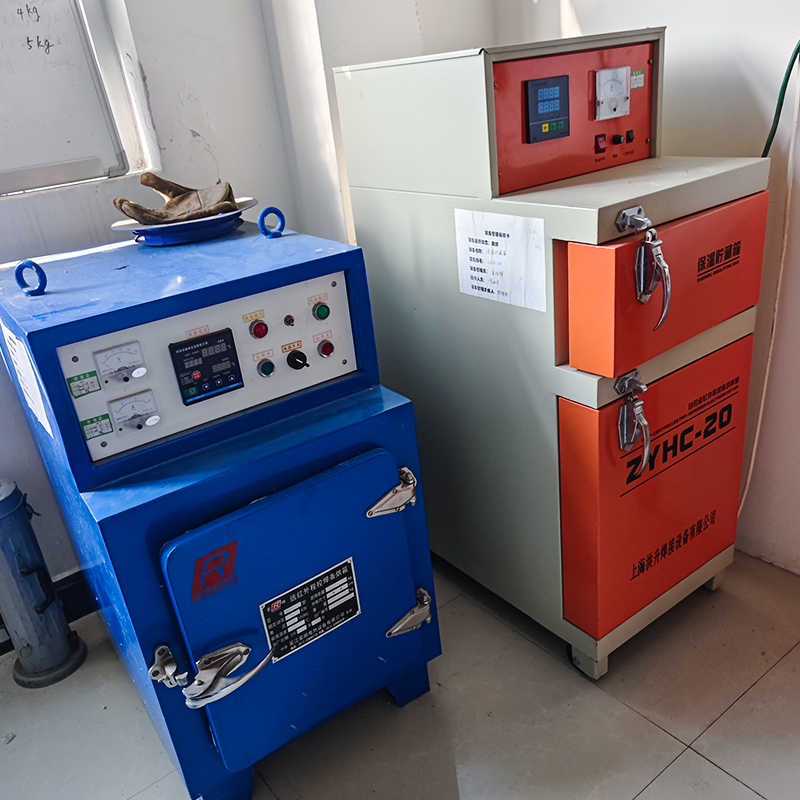
The welding rod baking and insulation box is an important equipment in welding engineering, mainly used for drying and heat preservation of welding ro...
See Details
The company is a manufacturer specializing in gas transmission and +distribution equipment and gas pressure regulators. It is a professional manufacturer integrating the research and development, design, manufacturing, marketing and after-sales service of gas equipment.
Phone: +86 138-5131-2088
Tel: +86 0515-83918669
Email: [email protected]
Add: No. 13, Yongchuang Road, Dazhong Industrial Park, Dafeng District, Yancheng City, Jiangsu Province, China
Copyright © Jiangsu Changrun Intelligent Gas Equipment Co., Ltd All Rights Reserved.
Custom Smart Gas Pressure Regulators Manufacturers, Suppliers
 Login
Login
Contact Us