 English
 русский
 Español
 عربى
عربىSafety valve gas control pump accessories pressure regulator
Safety valve gas control pump accessories pressure regulator is a key component in the gas supply system. Its main function is to ensure the stable su...
See Details


Request a Quote
Content
When a gas production facility is being specified, the first question is not which skid to buy but how far upstream the equipment package must reach. An LNG liquefaction plant, an LPG gas generation station, and a high-pressure natural gas production line run under completely different process regimes. Cryogenic temperatures, multi-phase flow, frequent pressure swings, and continuous-duty operation force engineers to match every component to the actual service condition. The equipment that works well in one setting can be a regulatory and maintenance liability in another. Procurement for gas production equipment therefore needs to start with process data, not with a price enquiry.
Gas production equipment is not a single product category. It is a combination of process units that convert raw gas into a usable fuel stream. In conventional natural gas production, the equipment list often includes separators, free water knockouts, treaters, dehydration towers, and line heaters. The phrase gas production unit (GPU) usually describes a packaged skid that combines a line heater and a horizontal separator for wellsite or small-field service. In LNG service, the critical units shift toward liquefaction, storage, and vaporization. In LPG generation and mixing stations, the equipment must handle phase change and blending accuracy. For practical purposes, most production packages divide into five functional blocks: pre-treatment and filtration, pressure regulation, product conversion, overpressure protection, and measurement. Each block has its own selection logic, but all share the same failure consequences: process downtime, safety hazards, and compliance review.
For LNG plants and peak-shaving stations, the liquefaction train carries most of the engineering risk. Equipment in this section must manage cryogenic temperatures, high pressure differentials, and tight containment requirements. In many projects, the operator assigns a proven high-purity natural gas liquefied gas production machinery and equipment package to cover gas compression, cold box operation, and liquid withdrawal. On larger sites, a second tier of equipment, often referred to as liquefaction plant LNG plant gas manufacturing equipment, balances the interaction between the LNG storage tank, the vaporizer, and the process skid. When these packages are specified, the important design margins are not nominal capacity but turndown ratio, cold-start time, and expected heat leakage during standby.
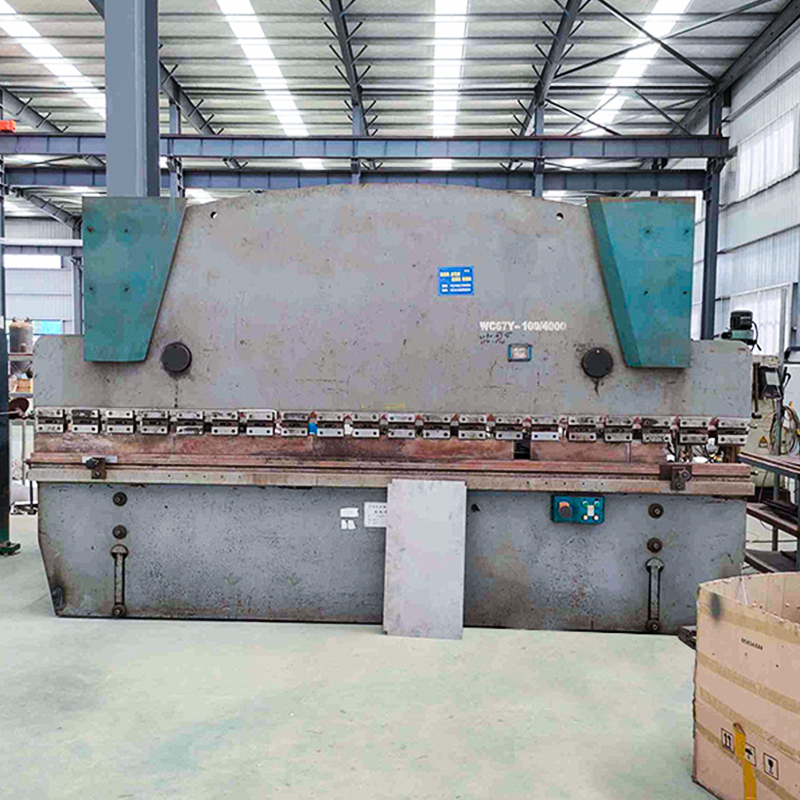 Custom Design Liquefaction plant LNG plant Gas manufacturing equipment SuppliersJiangsu Changrun Intelligent Gas Equipment Co., Ltd. is China Custom Design Liquefaction plant LNG plant Gas manufacturing equipment Supp...View Product →
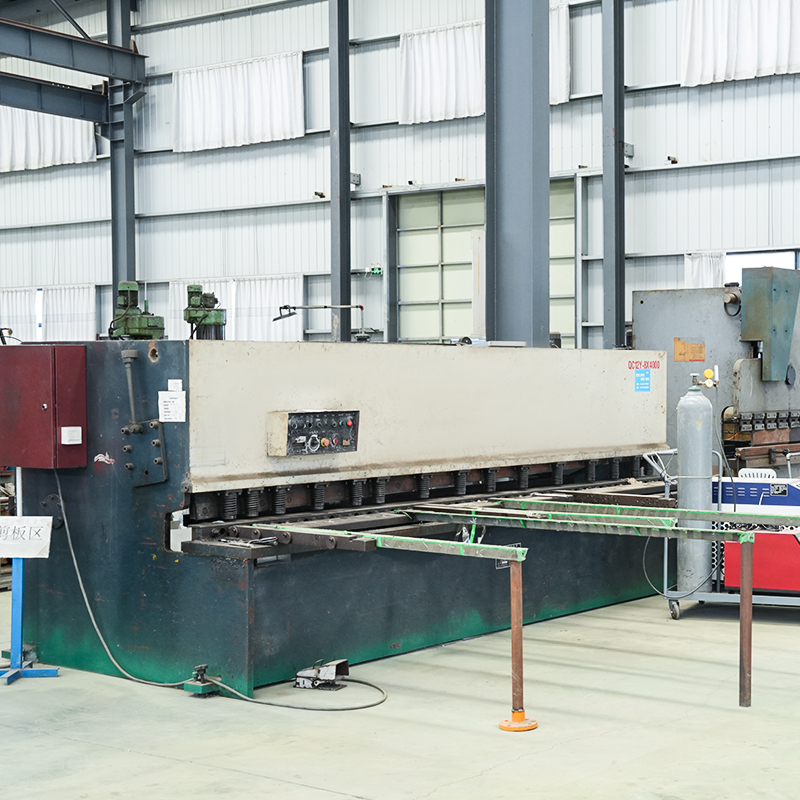 Custom Design High-purity natural gas/liquefied gas production machinery and equJiangsu Changrun Intelligent Gas Equipment Co., Ltd. is China Custom Design High-purity natural gas/liquefied gas production machinery an...View Product →
Mid-sized gas producers face a different set of challenges. Natural gas LPG gas generation equipment and machines must blend gases of different densities, adjust calorific value, and hold a stable outlet pressure across a wide load range. The controlling parameters are mixing ratio accuracy and combustion stability, not just the final pressure. Many operators integrate vaporizers, mixers, and safety controls into a single gas generation package, allowing the unit to respond to gas composition changes without manual intervention. The most frequent field problems are supply pressure fluctuation, evaporator icing, and filter blockage, all of which can be reduced when the equipment is designed for inspection and cleaning rather than for compactness alone.
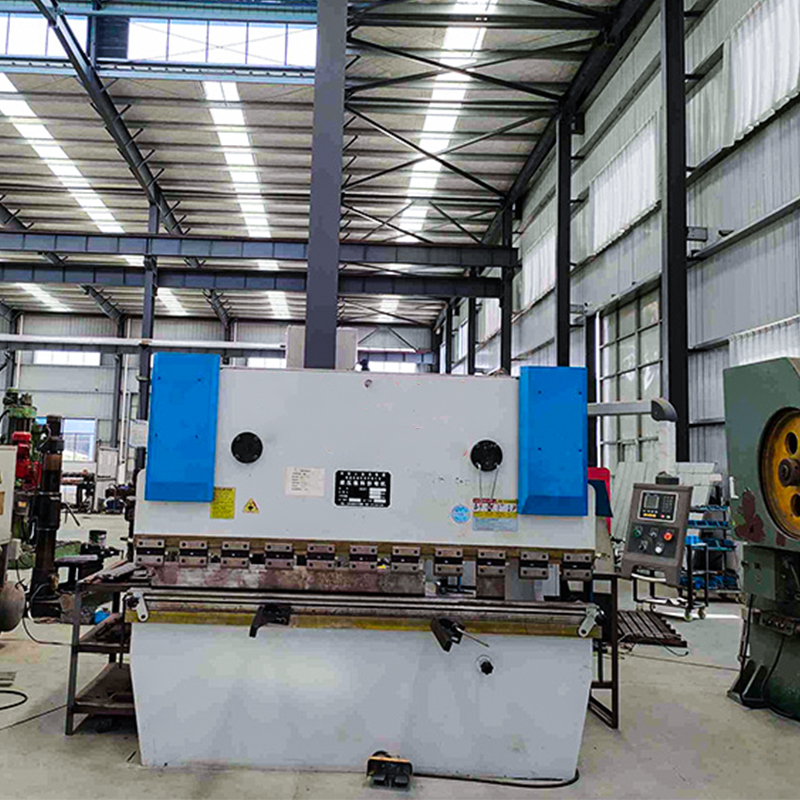 Custom Design Natural gas/LPG gas generation equipment and machines Suppliers, MJiangsu Changrun Intelligent Gas Equipment Co., Ltd. is China Custom Design Natural gas/LPG gas generation equipment and machines Supplie...View Product →
Regardless of whether the facility runs on LNG, LPG, or pipeline natural gas, the links between process units are pressure control and filtration. Production sites rely on pressure regulators and regulating valves to maintain staged pressure ratios between the unit separator, the evaporator, and the downstream distribution system. If the wrong regulator is selected, operators will see freezing, audible oscillation, droop, and repeated lifting of relief valves. Overpressure protection is a separate specification decision, not an accessory decision. Relief valves must be set in relation to the system pressure rating, the regulator control range, and the potential blocked-discharge scenarios.
Filtration is equally important. Filter separators, Y-type strainers, cyclone separators, and water separators act as the front-line protection of gas production equipment. Their performance depends on the filter element, the differential pressure gauge, and the maintenance interval. To understand how these subsystems work together, it helps to review the components that define modern gas production equipment. In the upstream segment of a gas production train, clean gas is not an expectation; it is a precondition for the reliable operation of every downstream device.
When matching production equipment to a specific site, some parameters deserve more attention than others. A data sheet may state a maximum inlet pressure of 1.6 MPa and an operating temperature range of -20 to 60°C, but the real operating envelope may include short-term peaks beyond those figures. The table below lists the parameters that most often hide a misspecification.
| Parameter | What to verify | Common error |
|---|---|---|
| Maximum inlet pressure | Match the nameplate rating at the maximum expected service condition | Basing selection on average operating pressure instead of peak transient pressure |
| Flow range | Stable regulation from minimum to maximum load | Sizing only for the design point and ignoring low-load instability |
| Temperature range | Include minimum ambient and process temperature | Neglecting cold temperature shock during LNG or LPG vaporization |
| Filtration precision | Verify screen mesh or filter element rating along with differential pressure | Ignoring the differential pressure gauge and allowing element blockage |
| Relief valve set point | Coordinate with the system pressure rating and protection logic | Setting a value that conflicts with the regulator control range |
The rated pressure of a regulator or valve usually refers to the maximum allowable inlet pressure at room temperature, not the pressure it can sustain continuously under process conditions. For LNG and LPG service, the temperature specification must include the lowest expected process temperature, because a cold liquid slug moving through an undersized vaporizer can chill downstream piping and cause embrittlement.
Material grade selection follows the gas composition and the environmental conditions. For LNG applications, cryogenic-grade materials matter not only in the main vessel but also in flanges, gaskets, and fasteners. In wet service with hydrogen sulfide or carbon dioxide, the material must comply with the applicable NACE or equivalent requirement. For stainless steel filter housings, the mesh grade of the screen and the range of the differential pressure gauge are as important as the housing thickness. The reference baseline for these values can be found in gas production equipment working principle, specifications and applications.
Most equipment failures are not mysteries. They result from wrong assumptions about the operating environment, the material boundary, or the maintenance access. The following considerations recur in gas production projects:
For operators deciding between minimal compliance and higher reliability, the case for investing in gas production equipment becomes clearer when the comparison includes the cost of downtime, inventory, and engineering rework.
A reliable gas production package starts with a clear process description, not with a brand preference. Define the operating envelope first: pressure, temperature, flow range, and gas composition. Then match every component to that envelope. For liquefaction, vaporization, and gas generation duty, choose suppliers with documented experience and production capacity. For pressure control and filtration, verify the tolerance and the material choices. In both cases, document the data and treat the specification review as the most important step of the project.
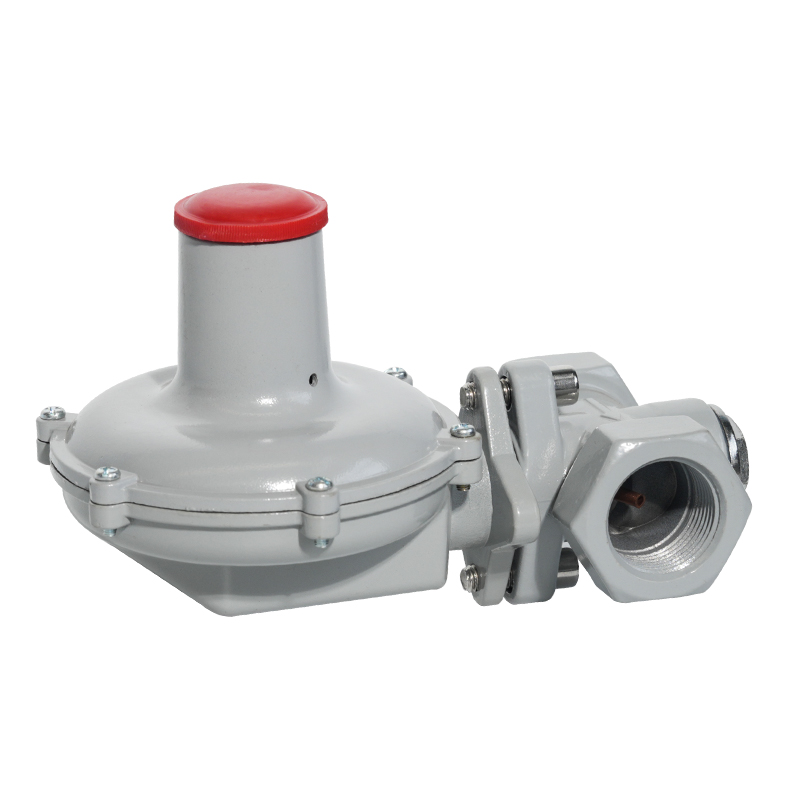
Safety valve gas control pump accessories pressure regulator is a key component in the gas supply system. Its main function is to ensure the stable su...
See Details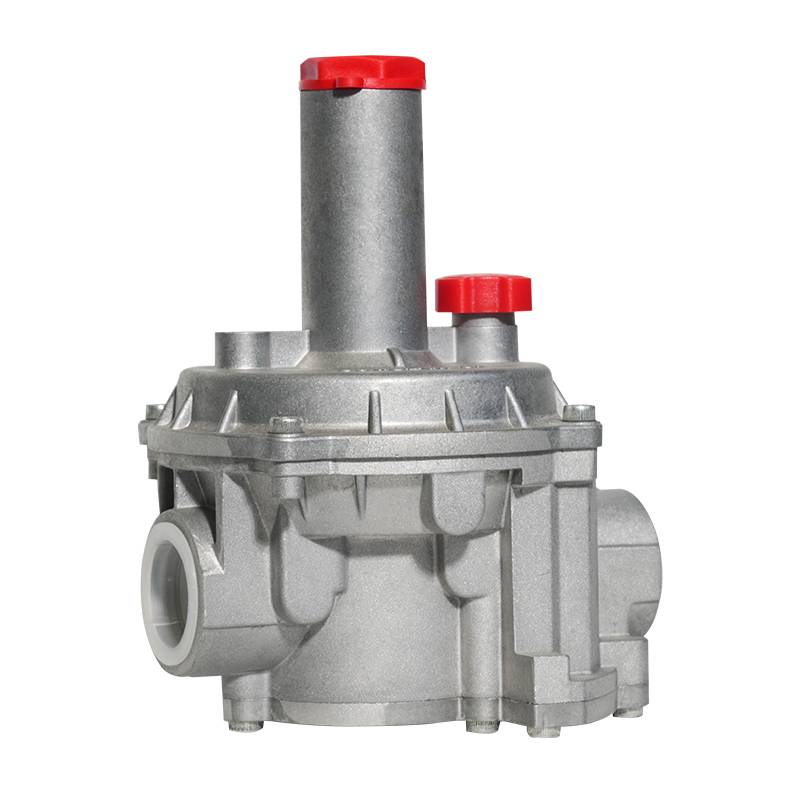
Industrial gas pressure regulating valve pressure reducing valve, pressure stabilizer is a device used to regulate and stabilize gas pressure. It can ...
See Details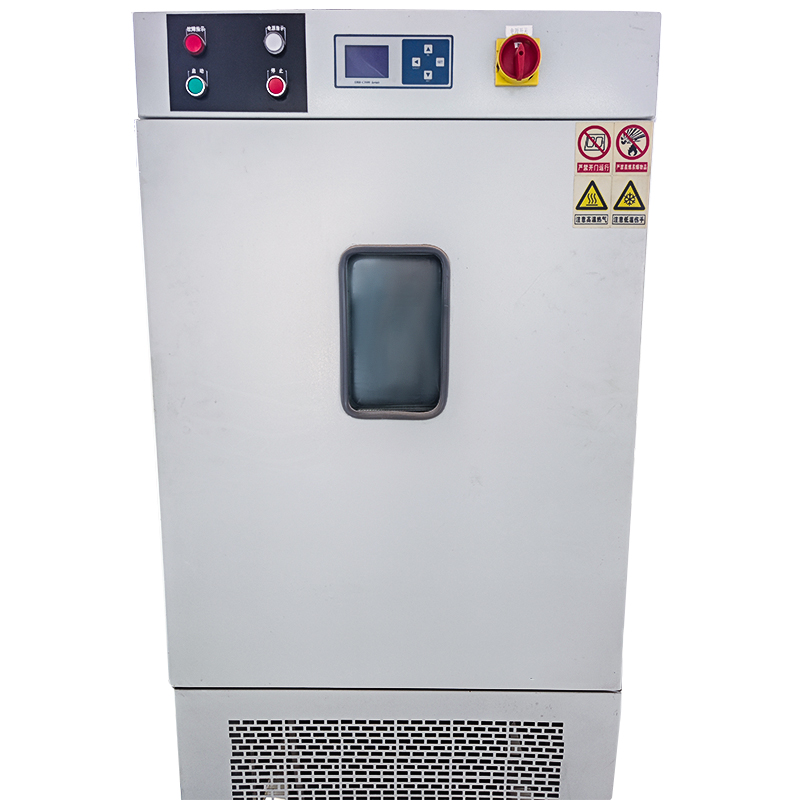
The film test high and low temperature chamber is a device specially used to test the stability and reliability of material films under different temp...
See Details
The company is a manufacturer specializing in gas transmission and +distribution equipment and gas pressure regulators. It is a professional manufacturer integrating the research and development, design, manufacturing, marketing and after-sales service of gas equipment.
Phone: +86 138-5131-2088
Tel: +86 0515-83918669
Email: [email protected]
Add: No. 13, Yongchuang Road, Dazhong Industrial Park, Dafeng District, Yancheng City, Jiangsu Province, China
Copyright © Jiangsu Changrun Intelligent Gas Equipment Co., Ltd All Rights Reserved.
Custom Smart Gas Pressure Regulators Manufacturers, Suppliers
 Login
Login
Contact Us